Authors
Beth Duff-Brown
News Type
News
Date
Paragraphs

As global health assistance for developing countries dwindles, a Stanford student working on her PhD in health policy has developed a novel formula to help donors make more informed decisions about where their dollars should go.

Donors have typically relied predominately on gross national income (GNI) per capita to determine aid allocations. But using GNI is problematic because it effectively penalizes economic growth. It also fails to capture contextual nuances important to channeling aid effectively and efficiently.

So Tara Templin, a first-year Stanford PhD student specializing in health economics, and her Harvard colleague Annie Haakenstad, have developed a framework that estimates funding based on needed resources, expected spending and potential spending into 2030. They believe the more flexible model makes it adaptable for use by governments, donors and policymakers.

“We've observed development assistance for health growth attenuate over the last seven years,” said Templin, who was a research fellow at the Institute for Health Metrics and Evaluation before coming to Stanford. “There are difficult trade-offs, and this entails honing in on the specific challenges and countries most in need.”

Their research published in the journal Health Policy and Planning outlines how their “financing gaps framework” can be adapted to short- or long-run time frames, between or within countries.

“Depending on donor preferences, the framework can be deployed to incentivize local investments in health, ensuring the long-term sustainability of health systems in low- and middle-income countries, while also furnishing international support for progress toward global health goals,” write the authors, who also are Stephen Lim of the University of Washington, Jesse B. Bump of Harvard and Joseph Dieleman, also at the University of Washington.

The authors developed a case study of child health to test out their framework. It shows that priorities vary substantially when using their results as compared to focusing mainly on GNI per capita or child mortality.

The case study uses data from the Global Burden of Disease 2013 Study, Financing Global Health 2015, the WHO Global Health Observatory and National Health Accounts. Funding flows are anchored to progress toward the U.N. Sustainable Development Goals’ target for reductions in the death rates of children under 5. More than six million children die each year before their fifth birthday, so the United Nations set a goal to reduce under-5 mortality to at least 25 per 1,000 live births.

To build their child health case study, the authors relied on a 2015 study that estimated the average cost per child-life saved is $4,205 in low-income countries, $6,496 in lower-middle income countries and $10,016 in upper-middle countries.

The framework considers three concepts. First, expected government spending is constructed from national health accounts, which are standardized financial reports from countries around the world. Second, ability to pay is estimated by looking at countries with similar levels of economic development and looking at associations with country investment in the health sector. Lastly, needed investment considers a health target, the country’s current health burden, and average costs to save children’s lives in each country.

“Our focus is on the gap between the resources needed to reach critical health targets and domestic health spending,” the authors wrote. “We highlight two facets of domestic health resources—expected spending and potential spending—as critical. While donor preferences may vary, basing aid allocation on expected or existing spending levels incentivizes countries to spend less on health. We therefore propose the use of potential spending, which is a measure of a country’s ability to pay, as the domestic resource benchmark.”
Image
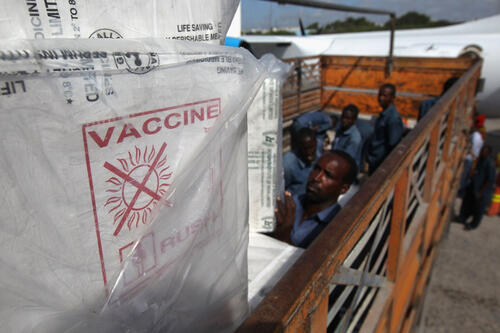
vaccines loaded truck

Instead of the gap between expected spending and need, their framework focuses on the gap between potential spending and the health resources needed to meet global health targets. In the framework, policymakers can choose which gap they want to target, since this decision can involve many factors.

“By focusing on that gap, donors can catalyze sustained domestic spending while also addressing the resource needs critical to reaching international health goals,” they wrote.

They then looked at 10 countries with the most need for additional child health resources. The gap between expected spending and potential spending was highest in Afghanistan, at 79 percent, and lowest in Cameroon, where expected spending exceeded potential spending.

“Fifty years ago, GNI was the best proxy for countries’ ability to finance their own development and health,” the authors wrote.

But today, more empirical data and technology are available, allowing donors to incorporate a broader set of health financing measures into their decision-making process.

“The flexible but targeted nature of our framework is critical in the current era of global health financing,” said Haakenstad, the lead author. “Our framework helps to ensure the poor and disadvantaged, the majority of which now reside in middle-income countries, are reached by development assistance and other public financing. This funding is critical to reducing death and disability and reaching global targets in health.”


The authors’ research was supported by the Welcome Trust (099114/Z/12/Z).

Hero Image
getty child vaccine Oli Scarff/Getty Images
All News button
1
Authors
Beth Duff-Brown
News Type
News
Date
Paragraphs

Family planning programs in developing countries that offer contraceptives and reproductive health advice apparently do more than prevent pregnancies — they can keep girls in primary school for up to a year longer, even before the youngsters start to think about marriage and babies.

New research by Stanford Health Policy’s Grant Miller and Kim Singer Babiarz indicates that the availability of modern contraceptives alone can keep young girls in the classroom longer, likely because their parents develop greater expectations for their daughters’ long-term health outcomes and economic opportunities.

“What we find is that family planning exposure at a young age is linked to greater opportunities later in life – including economic empowerment,” said Babiarz, an SHP research scholar with a PhD in agricultural economics who focuses on women and children in development. “The fertility effects were modest; the most striking findings were the incentives created to keep girls in school and improvements in the types of jobs women have later in life.”

Babiarz and Miller, a senior fellow at the Freeman Spogli Institute for International Studies and director of the Stanford Center on Global Poverty and Development, unveiled their study at the annual meeting of the Center for Global Development in Washington, D.C. on Dec. 7.

They conducted research with Christine Valente, an associate professor in the department of economics at the University of Bristol and Tey Nai Peng, the principal investigator for the Malaysia Family Life Survey. The Southeast Asia nation was one of the first low-income countries to provide modern contraceptives on a large scale, first in 1954 and then establishing a National Family Planning Board in 1966.

The government then scaled up its national program between 1966 and 1974 and conducted robust surveys with retrospective life histories and detailed community-level information about the timing of family planning availability. The use of contraceptives such as the pill, condoms and IUDs, went from 3 percent in 1961 to 39 percent in 1975. The country also experienced a decrease in the fertility rate of 6.2 children to 4.3 during the same period.

The researchers were able to compare what happened to Malaysian girls who were very young when contraceptives became available in their communities to those who were adolescents when they first gained access to modern contraception. They were not surprised by the effects on fertility; that has generally been the case in countries that adopt large-scale family planning programs.

But they also found unintended incentives: that girls in communities with family planning clinics stayed in school six months longer, increasing to more than an additional year for the girls who were born after the family planning programs began. And it didn’t matter if the girls had fewer younger siblings at home.

Other benefits later in life included better jobs when they became adults. When the Malaysian girls were grown, they were more likely to take in their own elderly parents (relative to their husbands’ parents), a signal of increased status in their households. In fact, they found that the incentives for investing in girls created by family planning may actually outweigh its direct effects, which work through reductions in fertility and changes in birth timing.

“The existence of family planning and contraceptives may lead parents to believe their daughters can participate in the labor force and that more schooling will therefore benefit them,” Miller said. “In other words, it can change their expectations about the world their daughter will live in one day.”

Few studies explicitly distinguish the incentive effects of family planning on women’s education from its direct effects on fertility. Miller said he hoped the new findings might lead policymakers to consider the broader beneficial consequences of family planning beyond those that work directly through changes in pregnancy and fertility.

“A central contribution of this working paper is that it studies the possible incentive effects of family planning programs for human capital investment in girls,” the authors wrote,” which could then translate into improvements in women’s economic status throughout their lives.”

Hero Image
malaysian schoolgirls
Indian, Malay, and Chinese school girls learn side by side in the Wisma Dharma Candra school in Kuala Lumpur, Malaysia.
Chris Hondros/Getty Images
All News button
1
Authors
Beth Duff-Brown
News Type
News
Date
Paragraphs

There is plenty of research on how the rapid warming of the planet is going to have growing adverse impacts on global economies, health, food supplies and natural disasters.

A new study now suggests that as temperatures continue to rise — particularly with more and more 90-plus-degree days — more fetuses and infants will experience economic loss by age 30.

“There is a growing body of evidence that finds that shocks to the fetus and young child — whether nutritional, environmental, economic or stress-related — have long-term consequences on health, education and economic outcomes throughout the life cycle,” said Maya Rossin-Slater, an assistant professor of health research and policy at Stanford Medicine and a faculty fellow at the Stanford Institute for Economic Policy Research.

Rossin-Slater published her study Dec. 4 in the Proceedings of the National Academy of Sciences, indicating early-life exposure to extreme temperatures is linked to potential losses in human capital. Her co-authors are Adam Isen, an economist with the U.S. Department of Treasury, and Reed Walker, an assistant professor at University of California, Berkeley.

The researchers used data from the U.S. Census Bureau’s Longitudinal Employer Household Dynamic Files, which contain information on adult labor market outcomes linked to county and exact date of birth. They looked at weather in counties in 24 states on any given day, and then measured how many days with average temperatures above 90 degrees a child born on that day in that county would have experienced during gestation and during the first year of life. They then compared the earnings of individuals who were exposed to different numbers of such hot days, but who were of the same race and gender, and born in the same county and on the same day of the year (but in different years).

Each day a fetus or infant experiences 90-plus-degree temperatures, Rossin-Slater and her co-authors found that he made $30 less a year on average, or $430 over the course of his lifetime. While that may not seem like a huge loss of income, the authors point out that their study is best understood from a population-level perspective rather than from an individual one.

“There is a lot of research already showing that extreme heat has immediate effects on labor market productivity and GDP,” she said. “What we are saying is that there is another wrinkle to this — that there can be consequences many years later, on cohorts who are still in the womb.”

Most Americans today only experience one day a year that is 90 degrees or hotter. But the Climate Impact Lab has indicated that if countries continue to take only moderate action on climate change, by the end of this century there will be about 43 such days a year.

So, if you multiple a $30 annual loss a day by 43 days, you come up with an average $1,290 a year — and compounded in large populations of pregnant women in hot climates.

“Prior research shows that exposure to extreme heat in utero leads to lower birth weight and increases infant mortality,” said Rossin-Slater, who is also a core faculty member at Stanford Health Policy. She said poor fetal and infant health could impact adult earnings in three ways: cognitive impairment, poor health that causes people to miss school or work, and less non-cognitive skill development such as self-control.

“With regard to exposure to heat specifically, fetuses and infants are especially sensitive because their thermoregulatory systems are not fully developed and they have less capacity to self-regulate when their bodies are exposed to extreme temperatures,” Rossin-Slater said.

Hot Zones and Air Conditioners

The obvious questions that arise from such research: What happens to the babies of women who already live in very high temperatures? And why not just ensure that all pregnant women have air conditioners, at least in the developed world where it would be more affordable?

Women in warm zones such as parts of Africa and South Asia, as well as U.S. cities like Phoenix and Washington, D.C., shouldn’t worry too much. The loss of income is relatively little and people living in hot climates may actually adapt over time to exposure to extreme heat.

“Our study is not saying that individual people should be doing something differently to avoid exposure to extreme heat,” Rossin-Slater said. “Instead, we think we are providing additional evidence for the possible population-level consequences of climate change and the projected increase in the number of days with extreme temperatures.”

And what about those air conditioners? The cohorts in the study are actually born in the 1970s, during a period of rapid expansion in air conditioning across American households. The researchers found the earning losses went away in areas where most people got air conditioners installed.

“If we think that there is something biological going on as a result of the fetus being overheated, then it makes sense that AC, which prevents the overheating, can mitigate this negative effect,” Rossin-Slater said.

But it’s important to recognize, she said, that air conditioners come with costs, both financial from the perspective of individuals and households who can and can’t afford such systems, and environmental from the perspective of the country or planet as a whole.

“So this is not a `free’ solution and any cost-benefit calculations related to climate change should take into account this adaption response,” Rossin-Slater said. “But we ought to think about what these results imply at the global level — in many countries that are much hotter than the United States and still don’t have AC. So if we are trying to understand global inequality and the impacts of climate change on developing countries, our results suggest that climate change could play a role in perpetuating global inequality across generations.”


Hero Image
pregnancy Getty Images
All News button
1
Authors
Beth Duff-Brown
News Type
News
Date
Paragraphs

There are 30 civil wars underway around the globe, where civilians are dealing with death and destruction as well as public health emergencies exacerbated by the deadly march of conflict.

Yemen is battling an unprecedented cholera outbreak which has killed more than 2,150 people this year, with another 700,000 suspected cases of the water-borne disease. The government and a rival faction have been fighting for control of the country, taking 10,000 lives since 2015.

Some 17 children in Syria have been paralyzed from a confirmed polio outbreak in northeastern districts, with 48 cases reported in a country that had not had a case of polio since 1999. The cases are concentrated in areas controlled by opponents of President Bashar al-Assad.

And in the Democratic Republic of Congo — where the civil war officially ended years ago, but thousands of people still suffer from recurrent uprisings and scant infrastructure — a yellow fever outbreak was met last year with a lack of vaccines. The WHO was forced to give inoculations containing a fifth of the normal dose, providing protection for only one year.

And yet today, of the nearly 200 countries on this planet, only six nations — three rich ones and three poor ones — have taken steps to evaluate their ability to withstand a global pandemic.

“The bottom line is that despite the profound global threat of pandemics, there remains no global health mechanism to force parties to act in accordance with global health interests,” write FSI’s Paul Wise and Michele Barry in the Fall 2017 issue of Daedalus.

“There also persists inherent disincentives for countries to report an infectious outbreak early in its course,” the authors write. “The economic impact of such a report can be profound, particularly for countries heavily dependent upon tourism or international trade.”

China, for example, hesitated to report the SARS outbreak in 2002 for fear of instability during political transition and embarrassment over early mishandling of the outbreak. Reporting cases of the 2013 Ebola outbreak in West Africa were slow and the virus killed some 11,300 people in Sierra Leone, Guinea and Liberia before the epidemic was declared over in January 2016.

Image
cdc ebola sign getty images

“Tragic delays in raising the alarm about the Ebola outbreak in West Africa were laid at the doorstep of the affected national authorities and the regional WHO committees, which were highly concerned about the economic and social implications of reporting an outbreak,” Wise and Barry write in the journal published by the American Academy of Arts and Sciences.

The Daedalus issue, “Civil War & Global Disorder: Threats and Opportunity,” explores the

factors and influences of contemporary civil wars. The 12 essays look at the connection of intrastate strife and transnational terrorism, the limited ambitions of intervening powers, and the many direct and indirect consequences associated with weak states and civil wars.

“Wise and Barry, both medical doctors with extensive field experience in violence-prone developing countries, analyze the relationship between epidemics and intrastate warfare,” write FSI’s Karl Eikenberry and Stephen D. Krasner in their introduction to the issue that includes eight essays by Stanford University faculty.

“Their discussion is premised on the recognition that infectious pandemics can threaten the international order, and that state collapse and civil wars may elevate the risk that pandemics will break out,” they wrote.

Eikenberry and Krasner are hosting a panel discussion about the new volume of Daedalus with FSI senior scholars, including Wise and Barry, on Oct. 23. Members of the Stanford community and the public are invited and can RSVP here. Podcasts with the authors will also be available at FSI’s World Class site over the next few weeks.

Prevention, Detection and Response

Barry and Wise believe there is significant technical capacity to ensure that local infectious outbreaks are not transformed into global pandemics. But those outbreaks require some level of organized and effective governance — and political will.

Prevention, detection, and response are the keys to controlling the risk of a pandemic. Yet it’s almost impossible for these to coincide in areas of conflict.

Prevention includes solid immunization programs and efforts to reduce the risk of animal-to-human spillover associated with exposure to rodents, monkeys and bats.

Then, early detection of an infectious outbreak with pandemic potential is crucial, through a methodical surveillance structure to collect and test samples drawn from domestic and wild animals, a capacity sorely lacking in areas of conflict and weak governance.

Image
paul

“Civil wars commonly disrupt traditional means of communication,” they write. “The Ebola virus outbreak in West Africa exposed glaring weaknesses in the global strategy to control pandemic outbreaks in areas with minimal public health capacity.”

New strategies that utilize satellite or other technology to link remote or insecure areas to surveillance are urgently needed, they said.

Then there is the response in countries where civil war not only makes it difficult, but politically treacherous.

In Syria, there had not been a case of polio reported since 1999. In 2013, health workers began to see children with the kind of paralysis that is associated with a highly contagious polio outbreak.

“However, the government and regional WHO office have been intensely criticized for their slow and uneven response,” the authors note, particularly the government’s resistance to mobilizing immunization efforts in areas sympathetic to opposition forces.

Pressure from international health organizations and neighbors in the region ultimately led to the reinstatement of vaccination campaigns throughout Syria.   

“The Syrian polio outbreak is an important reminder that health interventions, though technical in nature, can be transformed into political currency when certain conditions are met,” they write. “At the most basic level, the destruction or withholding of essential health capabilities can be used to coerce adversaries into political compliance, if not complete submission.”

Image
syria polio


Strengthening Global Oversight

The only comprehensive global framework for pandemic detection and control, the authors write, is the International Health Regulations treaty, which was signed in 2005 by 196 member-nations of the World Health Organization to work together for global health security.

The IHR imposed a deadline of 2012 for all states to have in place the necessary capacities to detect, report and respond to local infectious outbreaks. But only a few parties have reported meeting these requirements, and one-third has not even begun the process. There have also been efforts to enhance state reporting of health systems capacities through voluntary assessments of countries working through the Global Health Security Agenda consortium.

But both frameworks, Barry said in an interview, need financial and political support.

Image
michele

“I see a stronger IHR with more than words — but actual money behind it in order for it to become stronger,” said Barry, noting the Global Health Security Agenda ends in 2018 and she has been asked to sit on a NAAS task force to form its next iteration. “I’m hoping we can move the needle to put money into bio-surveillance and health security, especially in conflict areas.”

Why should Americans care?

“Pathogens know no borders,” Barry said. “And with climate change, we have tremendous movement of vectors; with globalization and billions of people routinely in flight, we have tremendous health threats traveling first class and coach.”

Twenty Countries at High Risk

Meanwhile, some 20 countries are at high risk for pandemic emergence. The two Stanford professors are urgently calling for “new approaches that better integrate the technical and political challenges inherent in preventing pandemics in areas of civil war.”

Wise and Barry note that human factors, such as the expansion of populations into previously forested areas, domesticated animal production practices, food shortages, and alterations in water usage and flows, have been the primary drivers of altered ecological relationships.

So globalization with climate change brews the perfect storm.

“There is substantial evidence that climate change is reshaping ecological interactions and vector prevalence adjacent to human populations,” they said. “Enhanced trade and air transportation have increased the risk that an outbreak will spread widely. While infectious outbreaks can be due to all forms of infectious agents, including bacteria, parasites, and fungi — viruses are of the greatest pandemic concern.”

Science suggests the greatest danger of pandemic lies in tropical and subtropical regions where human and animals are most likely to interact. Most of the estimated 400 emerging infectious diseases that have been identified since 1940 have been zoonoses, or infections that have been transmitted from animals to humans. The human immunodeficiency virus (HIV), for example, is believed to have emerged from a simian host in Central Africa.


Recent analyses have suggested that the “hotspots” for emerging infectious diseases overlap substantially with areas plagued by civil conflict and political instability. 

The U.S. Agency for International Development and the Centers for Disease Control and Prevention have been working on the Emerging Pandemic Threats Program to improve local pandemic detection and response capacities by directing resources and training to countries thought to be at high risk for pandemic. However, it is not clear that this and related programs are addressing the political dynamics at the local level that will determine the essential cooperation of local communities with any imposed global health security response.

“The unpredictability of a serious infectious outbreak, the speed with which it can disseminate, and the fears of domestic political audience can together create a powerful destabilizing force,” Wise and Barry write in their conclusion. “Current discussions regarding global health governance reform have largely been preoccupied by the performance and intricate bureaucratic interaction of global health agencies. However, what may prove far more critical may be the ability of global health governance structures to recognize and engage the complex, political realities on the ground in areas plagued by civil war.”


Hero Image
ebola toddler getty
A Liberian Red Cross burial team in Ebola protectant clothing collects the body of a toddler from a home in the West Point township on January 28, 2015, in Monrovia, Liberia.
John Moore/Getty Images
All News button
1
Authors
Beth Duff-Brown
News Type
News
Date
Paragraphs

Stanford Health Policy’s newest faculty member, Joshua Salomon, believes that one urgent need in global health research is to improve forecasts of the patterns and trends that are the major causes of death and disease.

Salomon, who is leaving leaving his position as professor of global health at the Harvard T.H. Chan School of Public Health to join Stanford on Aug. 1, works on modeling of infectious and chronic diseases and their associated intervention strategies, as well as methods for economic evaluation of public health programs and ways to measure the global burden of disease.

And he looks at the potential impact and cost effectiveness of new health technologies.

“Projections of future trends in health are crucial to formulating policy,” said Salomon, who has a PhD from Harvard. “To think strategically about the technologies and policies that would make the biggest impact on health over the next 20 to 50 years, we really need to start by understanding the range of likely trends in major health challenges over the coming decades.”

Stanford, he said, offers him a “rich collaborative environment” to better learn from advances in forecasting across a range of other disciplines, such as economics, political science, and environmental science.

“With a better picture of what the world is likely to look like over the next 50 years — and what are going to be the most pressing health problems — we can invest wisely and put ourselves in a position to respond more effectively.”

Salomon is also the director of the Prevention Policy Modeling Lab, which is funded by a five-year award from the Centers for Disease Control and Prevention. The consortium represents the collaborative research of experts from Massachusetts General Hospital, Boston Medical Center, Dana Farber Cancer Institute, Yale School of Public Health, Brown University School of Public Health, and the Massachusetts Department of Public Health and.

He will continue directing the lab from Stanford and intends to bring in new research threads from his colleagues here on the Farm. The lab works on a wide range of projects dealing with policy analysis for hepatitis, sexually transmitted infections and diseases such as HIV, and tuberculosis.

“It’s a rewarding grant for me to work on because, unlike a lot of modeling projects, the work that we do really starts from urgent public health questions that policymakers have,” he said. “All of the questions that we are working on are questions that originated directly from discussions with CDC and other public health partners.”

With Salomon’s move to Stanford, the university gains a dynamic duo.

Grace Lee joins Stanford as the Associate Chief Medical Officer at Lucile Packard Children's Hospital in the fall, 2017.

His wife, Grace Lee, MD, MPH, joins in the fall as the Associate Chief Medical Officer at Lucile Packard Children’s Hospital. As a professor of population medicine at Harvard Pilgrim Health Care Institute & Harvard Medical School, Lee has led research in vaccine safety in the FDA-funded Post-licensure Rapid Immunization Safety Monitoring (PRISM) program and the CDC-funded Vaccine Safety Datalink, which monitors the safety of vaccines and studies rare and adverse reactions from immunizations.

She has also examined the impact of financial penalties on rates of healthcare-associated infections, as the principal investigator of an AHRQ-funded study, as well as developed novel surveillance definitions for ventilator-related events in neonates and children.

While at Stanford, Lee said, she intends “to find opportunities to enhance the learning health system approach to improve patient outcomes and population health.”

Salomon has spent his entire career as a collaborator on the Global Burden of Disease project, the world’s most comprehensive epidemiological study commissioned by the World Bank in 1990, which tracks mortality and morbidity from major diseases, injuries and risks factors.

“The study has made a major contribution to global public health because before this study we just didn’t have a comprehensive, systematic understanding of the things that cause death and disability in low- and middle-income countries. But now we do,” he said. “It’s hugely ambitious and very sweeping in scope — and a lot of my work is around providing the evidence we need to inform policy.”

Much of Salomon’s work is global in nature. He’s most recently focused on older adults in one rural South African community, which has a high prevalence of HIV and one of the world’s highest levels of hypertension. His research there aims to inform urgent prevention initiatives tailored to older adults where HIV and cardiovascular risks are moderate or high, as in similar communities in sub-Saharan Africa.

“People don’t expect a high level of ongoing HIV transmission in older adults,” he said. “The double burden that we find, with a very high level of HIV, as well as the high prevalence of diabetes and heart disease, creates enormous strains on the health-care system.”

Hero Image
40 joshua salomon
Stanford Health Policy's Joshua Salomon believes forecasting new patterns and trends in global health is an urgent need.
Harvard T.H. Chan School of Public Health
All News button
1
Authors
Beth Duff-Brown
News Type
News
Date
Paragraphs

In the slums of Nairobi, where sexual assault is as commonplace as it is taboo to discuss, a team of Kenyan counselors is teaching kids that no means no.

The girls learn to shout — “Hands off my body!” — and throw an elbow jab or good kick to the groin. The boys are encouraged to stand up for the girls and fight against the social traditions that have normalized rape.

Perhaps most effectively, the children learn how to talk themselves out of precarious situations, use clever diversions and speak loudly when faced with potential attackers, through a series of role-playing exercises that promote healthy gender norms.

The behavioral intervention appears to be working. Observational studies have inferred that the incidence of rape has dropped dramatically — perhaps even by half.

But how do those who are devoted to protecting these girls from sexual violence prove to themselves and their donors that their efforts and dollars are making a difference?

This is where Mike Baiocchi comes in. The Stanford statistician and his team of researchers and students are conducting the largest-ever randomized trial of its kind in an effort to place rare, high-quality quantitative proof alongside the more common observational evidence.

“That’s what I specialize in: messy, real-world data where you try and prove the cause-and-effect relationship,” said Baiocchi, PhD, an assistant professor of medicine at the Stanford Prevention Research Center in the School of Medicine.

Rosenkranz Prize 2017 winner Mike Baiocchi and his partner, Clea Sarnquist, both of Stanford Medicine, conduct research on the ground in Nairobi, Kenya, to determine whether a rape prevention program is truly making a difference. Rosenkranz Prize 2017 winner Mike Baiocchi and his partner, Clea Sarnquist, both of Stanford Medicine, conduct research on the ground in Nairobi, Kenya, to determine whether a rape prevention program is truly making a difference.

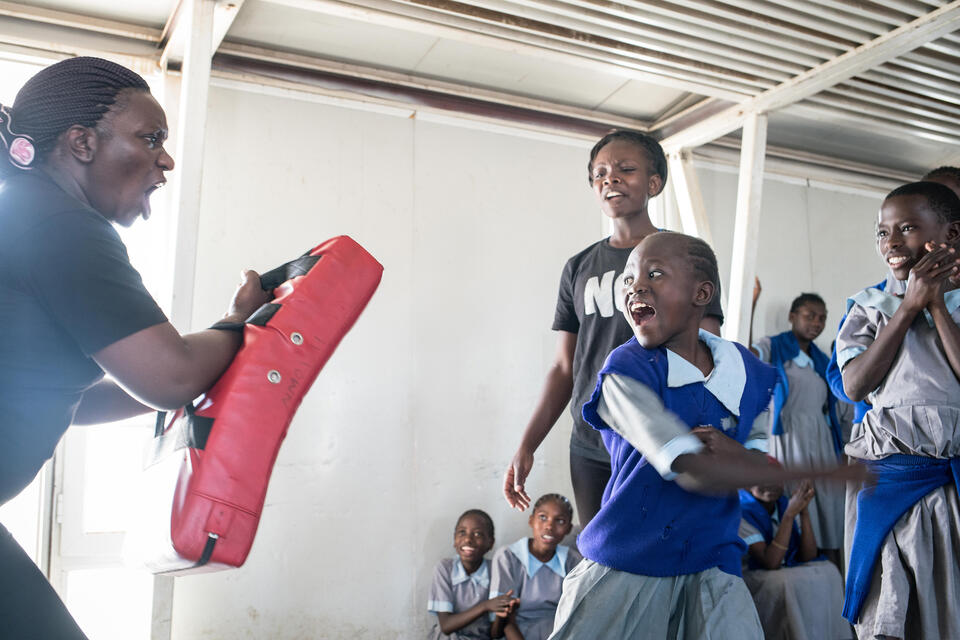
Rosenkranz Prize 2017 winner Mike Baiocchi and his partner, Clea Sarnquist, both of Stanford Medicine, conduct research on the ground in Nairobi, Kenya, to determine whether a rape prevention program is truly making a difference.
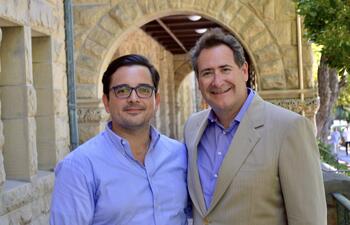
 

Baiocchi and his team have designed a closed-cohort study that will track the behavior of about 5,000 girls and 1,000 boys enrolled in the No Means No Worldwide project, which is training 300,000 girls and boys in Kenya and Malawi to prevent rape and teen pregnancy.

This innovative approach to applying math to a real-world problem won him this year’s Rosenkranz Prize for Health Care Research in Developing Countries.

“The entire Rosenkranz selection committee was highly impressed both with the rigor of Mike’s work — which he publishes in top journals in the field of statistics — as well as his unconventional and potentially very impactful work on the prevention of gender-based violence in illegal settlements around Nairobi,” said Grant Miller, PhD, an associate professor of medicine and core faculty member at Stanford Health Policy.

Miller chairs the committee that selects the winners of Stanford Health Policy’s annual $100,000 prize, which goes to promising young Stanford researchers who are investigating ways to improve health care and health policy in developing countries.

Overwhelming Prevalence of Sexual Violence

In the United States, according to the Centers for Disease Control and Prevention, nearly one in five women are raped. The World Health Organization estimates that globally, one in three women experience sexual or physical violence.

In Kenya, national surveys reveal that as many as 46 percent of Kenyan women experience sexual assault as children.

“In the roughest part of the Nairobi slums, 20 to 25 percent of high school girls will be raped this year,” said Baiocchi. “This program, however, looks like it is having the ability to cut that in about half. Our job is to tease out the evidence through careful measurement and design of experiment.”

To do this, Baiocchi and other members of the Stanford Gender-Based Violence Collaborative have traveled to Nairobi to collect baseline data. His partner is Clea Sarnquist, DrPH, a senior research scholar for the Global Child Health Program in the Stanford Department of Pediatrics.

Several pilot evaluations of the program, published in 2014 in Pediatrics, found that more than half of 2,000 high school girls who had completed the self-defense course had used their newfound skills to fend off sexual harassment or rape.

But Lee Paiva, the San Francisco-based founder of No Means No Worldwide, wanted proof. She told Stanford Medicine magazine last year that since establishing training in 2010, she often wondered about the true effectiveness of the program.

“A little voice inside me said, `What did you teach them?’” she said. “What did those kids actually get? What is that money really going to do?”

She determined that she wasn’t going to move forward on the program until she could answer those questions. That is when she turned to Stanford.

Expanding on their initial work, Baiocchi and Sarnquist spent several months last year, working with their Kenyan partners, Ujamaa-Africa and the African Institute for Health and Development, in 90 schools in the poorest parts of Nairobi to establish the largest randomized trial of its kind.

They interviewed the girls who have taken part in the six-week empowerment and self-defense program taught by Kenyans who grew up in the same neighborhoods and are familiar with the local culture.

“It’s hard not to be extraordinarily excited when you watch these girls; they’re play-acting and just being kids, but you are also watching them evolving and creating new ways to deal with these situations,” said Baiocchi.The team is now tracking a fixed group of  5,000 girls and 1,000 boys, ages 10 to 16, over two years. This will give the researchers a better understanding of just how the girls are adopting the training and readapting to societal demands.

Image


“Doing a randomized trial is slow, expensive, and — if I’m being totally honest — anxiety-inducing because everything is laid so bare and you put things in motion today that won’t be resolved for another two years,” Baiocchi said. “But the reward is extraordinarily high-quality data that helps you understand what’s really going on. We need this level of evidence if we’re going to take on such a difficult problem.”

Since using math to measure the benefits of gender-based violence prevention interventions is a relatively new science, Baiocchi said the team is adopting the highest level of rigor, equivalent to what it would take to get their results through the FDA.

The randomized controlled trial is being funded by the UK Department of International Development as part of its What Works to Prevent Violence initiative, with the goal of determining whether the behavioral intervention is effective in preventing sexual assault.

A Need to Do Good

Baiocchi notes both his parents are nurses, his brother is a nurse who is married to a nurse. Public health and service runs through the family DNA.

“So, when I came out as being a math person, I knew that I also had to do good.”

Since receiving his PhD in statistics from The Wharton School at the University of Pennsylvania in 2011, Baiocchi has worked on ways to improve high-risk infant deliveries, school-based earthquake risk reduction in Nepal, bail reform in the United States, improving cardiothoracic surgical care, as well as cancer and cardiovascular disease prevention in China.

The Kenya project team, which includes eight Stanford undergraduate and graduate students, intends to share their results, putting out open-source tutorials that will explain their statistical methods and provide sample code and data.

Image

“We want to make it really easy for people in this area to start having a similar language so we can better communicate and build on this science,” he said.

The Rosenkranz funding will help to build this open-source site and support the Stanford team in their research and travel to Kenya and other countries.

The award’s namesake, George Rosenkranz, who holds a doctorate in chemistry, first synthesized cortisone in 1951, and later progestin, the active ingredient in oral birth control pills. He went on to establish the Mexican National Institute for Genomic Medicine, and his family created the Rosenkranz Prize in 2009.The award embodies Rosenkranz’s belief that young scientists hold the curiosity and drive necessary to find alternative solutions to longstanding health-care dilemmas.

Baiocchi called Rosenkranz’s work to help women take control of their reproductive health “revolutionary,” and is humbled to now be on the list of the other prizewinners, Eran Bendavid, Sanjay Basu, Marcella Alsan, Jason Andrews and Ami Bhatt.

“Our work is a continuation of the powerful changes Dr. Rosenkranz set in motion,” he said.

And what really matters, Baiocchi said, are the end results.

“There are a number of girls who are not going to get raped this year because of what we are doing,” he said. “And we know that if someone doesn’t get assaulted, that leads them to having a better life — it’s an extraordinarily virtuous cycle.”

[[{"fid":"226830","view_mode":"crop_870xauto","fields":{"format":"crop_870xauto","field_file_image_description[und][0][value]":"","field_file_image_alt_text[und][0][value]":false,"field_file_image_title_text[und][0][value]":false,"field_credit[und][0][value]":"","field_caption[und][0][value]":"","thumbnails":"crop_870xauto","alt":"","title":""},"type":"media","field_deltas":{"6":{"format":"crop_870xauto","field_file_image_description[und][0][value]":"","field_file_image_alt_text[und][0][value]":false,"field_file_image_title_text[und][0][value]":false,"field_credit[und][0][value]":"","field_caption[und][0][value]":"","thumbnails":"crop_870xauto","alt":"","title":""}},"link_text":null,"attributes":{"class":"media-element file-crop-870xauto","data-delta":"6"}}]]

Hero Image
kenya rosenkranz3 Nichole Sobecki
All News button
1
Paragraphs

Most civilian casualties in war are not the result of direct exposure to bombs and bullets; they are due to the destruction of the essentials of daily living, including food, water, shelter, and health care. These “indirect” effects are too often invisible and not adequately assessed nor addressed by just war principles or global humanitarian response. This essay suggests that while the neglect of indirect effects has been longstanding, recent technical advances make such neglect increasingly unacceptable: 1) our ability to measure indirect effects has improved dramatically and 2) our ability to prevent or mitigate the indirect human toll of war has made unprecedented progress. Together, these advances underscore the importance of addressing more fully the challenge of indirect effects both in the application of just war principles as well as their tragic human cost in areas of conflict around the world.

All Publications button
1
Publication Type
Journal Articles
Publication Date
Journal Publisher
Daedalus
Authors
Paul H. Wise
News Type
News
Date
Paragraphs

When one thinks of the casualties of war, it is easy to imagine severed limbs, bullet holes, shrapnel, perhaps even sarin gas or Agent Orange. But in a recent Daedalus essay, Paul Wise argues that the most damaging health impacts of war are often indirect. Losing access to food supplies, medication and electricity can kill more people than battle itself. In this video by the American Academy of Arts and Sciences, Wise, a professor of pediatrics and Stanford Health Policy core faculty member, explains how fatal the indirect costs of war can be.

Read More

Hero Image
paul just war video
All News button
1
Authors
News Type
Commentary
Date
Paragraphs

Pandemics are a growing health concern in the United States and abroad. But as global health specialists are ramping up efforts to prevent them, funding may be slipping away.

President Trump's proposed budget would eliminate the National Institutes of Health's Fogarty International Center, a key player in the fight against diseases worldwide.

According to a USA Today column by Michele Barry, Director of the Center for Innovation in Global Health and a Stanford Health Policy affiliate, and David Yach, a former cabinet director at the World Health Organization, Fogarty's global health research benefits the United States along with other countries. The center has produced insights into Alzheimer's research, is looking into the genetics of obesity and diabetes, and has started developing early warning systems for pandemics.

But its most important accomplishment, according to Barry and Yach, is training scientists in more than 100 low- and middle-income countries. These experts have emerged as leaders in their own countries and around the world.

Their contributions have not only improved health but have influenced the World Health Organization and leading global health donors.

Said Barry and Yach, "To eliminate the Fogarty Center now would undermine progress, erode trust in America’s leadership in global health, and increase the risk of a devastating and preventable epidemic in the U.S. Keeping Fogarty would preserve health, both of Americans and populations all over the world."

Read the full article.

Hero Image
32919905466 acc41ab6d8 o ALBERT GONZALEZ FARRAN / AFP / Getty Images
All News button
1
Authors
Beth Duff-Brown
News Type
News
Date
Paragraphs

Non-communicable diseases such as heart and respiratory disease, cancer, obesity and diabetes are now responsible for some two-thirds of premature deaths around the world. And most of those are in low- and middle-income countries.

The United Nations has estimated that on top of the social and psychological burdens of chronic disease, the cumulative loss to the global economy could reach $47 trillion by 2030 if things remain status quo.

“That was a big whopper of a number and got a lot of attention, and that was good because it raised awareness,” said Rachel Nugent, vice president for global non-communicable diseases (NDCs) at the research institute RTI International.

“It’s an issue that is driven by a lot of different factors, “ she said. “And understanding how the larger social and economic factors affect NDCs, at a policy level, very little progress has been made — there’s been very little collaboration.”

Nugent was addressing the fourth annual Global Health Economics Colloquium at University of California San Francisco, with health experts, policymakers, students and researchers from Stanford, Berkeley and UCSF who gather every year to take a deep dive into the economics of a global health issue. More than 200 experts from 10 universities and public health departments attended the conference.

The daylong gathering focused on recent developments in the economics of NDCs, looking at case studies from around the world, and new guidelines for cost-effectiveness analysis and the role of economics in reducing health inequality.

“The donors are not convinced that there are cost-effective things that we can do in these countries; a lot of them are very skeptical that this is affecting the poor,” said Nugent, a member of the World Health Organization’s expert advisory panel on the management of NCDs.

In India, for example, much of the population still defecates outdoors, contaminating water sources and agricultural products, which can lead to malnutrition and physical and cognitive disorders. Many donors would rather see funds go to building latrines as they can see tangible results; NDC prevention is a long-term slog.

“But I don’t think we should necessarily think of NDCs as either-or,” said Nugent.  “I think that integration of services and programming is very much at the forefront of what is the right way to go.”

Image
rachel nugent

Cost-effectiveness Analyses

Nugent’s research has shown five cost-effective interventions would avert more than 5 million premature deaths from NCDs by 2030, or a reduction of 28.5 percent in projected mortality from chronic disease around the world. And the average benefit-cost ratio is 9:1, at a global cost of $8.5 billion a year.

The interventions are raising the price of tobacco products by 125 percent through taxation; providing aspirin to 75 percent of those suffering from acute myocardial infarction; reducing salt intake by 30 percent; reducing the prevalence of high blood pressure with low-cost hypertension medication; and providing preventive drug therapy to 70 percent of those at high risk of heart disease.

Gillian Sanders-Schmidler, a professor of medicine at Duke University Medical Center and former assistant professor of medicine at Stanford Health Policy’s Center for Primary Care and Outcomes Research, addressed the colloquium about recommendations of the Second Panel on Cost-Effectiveness in Health and Medicine.

“There is a continued emphasis on transparency and comparability across analyses,” said Sanders-Schmidler. “And of course the big changes are that we’re now asking for a second reference case and using an ‘impact inventory’ table to clarify the scope of the findings.”

The independent panel of non-government scientists and scholars, which also included Stanford Health Policy’s Douglas K. Owens, focused on new ways to deliver health care effectively, yet with a focus on efficiency, as health care spending in the United States has reached 18 percent of GDP, much greater than the global average of 10 percent.

The first panel that convened in 1996 recommended that all cost-effectiveness analyses of health interventions include a reference case that uses standard methodological practices to improve comparability and quality. The second panel, which published its findings in September, now recommends that in addition to the societal perspective recommended by the original panel, that CEAs include a second reference case that looks at the health-care sector impact of an intervention. Additional guidance was given on what to include in the societal perspective reference case.

The panel wrote in its JAMA “special communication” that these societal reference cases should include medical costs “borne by third-party payers and paid out-of-pocket by patients, time costs of patients in seeking and receiving care, time costs of informal (unpaid) caregivers, transportation costs, effects on future productivity and consumption, and other costs and effects outside the health-care sector.”

They found most countries, including the United States, give greater weight to clinical evidence in their cost-effectiveness analyses. The panel now recommends an “impact inventory” that helps analysts and end-users of cost effectiveness analyses look at the impact of interventions beyond the formal health-care sector.

“We’re trying to ask people to be explicit,” said Owens, director of the Center of Primary Care and Outcomes Research and Center for Health Policy at Stanford.

“We want them to look at how to value outcomes in a societal perspective, not just the health-care sector, to look at all these other sectors such as productivity consumption, criminal justice, education, housing and the environment,” he said.

Image
sodas

Case Studies

Several case studies presented at the colloquium indicated that policy changes, government intervention and social factors are key to preventing obesity and diabetes and other NCDs.

Kristine Madsen, an associate professor of public health at UC Berkeley who focuses on childhood obesity, spoke about the nation’s first “soda tax” on sugar-sweetened beverages, which was implemented in Berkeley in March 2015.

The city has seen a 21 percent decline in the drinking of soda and other sugary drinks in low-income neighborhoods after the city levied a penny-per-ounce tax on sodas and sugary drinks. At the same time, according to a study in the American Journal of Public Health, neighboring San Francisco — where a similar soda-tax measure was defeated — and Oakland saw a 4 percent increase in the purchase of sweetened beverages.

“This decline of 21 percent in Berkeley represents the largest public health impact in an intervention that I have ever seen,” said Madsen.

Sergio Bautista of the Mexico National Institute of Public Health and UC Berkeley, said that Mexico’s sugary drinks tax implemented in January 2014 is expected to lead to a 10 percent reduction in sugary drinks consumption and prevent an estimated 189,300 cases of diabetes in a country famed for its sugary bottled cola.

William Dow, a professor of health policy management at UC Berkeley, shared his research on Costa Rica, where on average people live longer than Americans, despite the several times higher income and 10 times higher health expenditures in the United States.

Costa Rican men have a life expectancy of 77 and the women typically live until age 82; in Americans the numbers are 76 and 81, respectively. Obesity is low among Costa Rican men and few of their women smoke. Lung cancer mortality in the United States is four times higher among men and six times higher among women.

“It’s remarkable in so many ways,” Dow said, noting that deaths in the Central American country are due predominantly to infectious disease. “Does Costa Rica have any unique effective programs to emulate, or is there something going on upstream driving those health outcomes?”

He believes Costa Rica’s national health insurance and excellent access to primary care for nearly all its people are key. Having this guaranteed lifetime access to health care also reduces the stress and depression that can so badly harm physical health.

“And I would argue that probably diet is one of the most important things going on here,” said Dow, noting their diets are healthy.

Costa Ricans eat mostly unprocessed foods such as rice and black beans, corn tortilla, yam and squash, with little meat and plenty of fresh fruit.

“They also have the highest remaining life expectancy at age 80 of any country in the world, he said. “What we have learned in Costa Rica would be helpful in many other countries.”

Hero Image
ariel people Getty Images
All News button
1
Subscribe to Sub-Saharan Africa