Authors
News Type
News
Date
Paragraphs


The two-day forum, part of a project of the American Academy of Arts and Sciences, led by the Freeman Spogli Institute’s Karl Eikenberry and Stephen Krasner, gathered experts to examine trends in civil wars and solutions moving forward.   


Image
Attendees at a two-day forum, part of a project of the American Academy of Arts and Sciences

The Council on Foreign Relations presently tracks six countries in a state of civil war, including three (South Sudan, Afghanistan, and Yemen) where the situation is currently worsening. Furthermore, three states (Central African Republic, Myanmar, and Nigeria) are experiencing sectarian violence with the potential to become larger conflicts. With two months still remaining in 2018, the combined fatalities in Afghanistan, Syria, and Yemen alone is fast approaching 100,000 for the year.

It was against this backdrop that Shorenstein APARC’s U.S.-Asia Security Initiative (USASI), the American Academy of Arts and Sciences (AAAS), and the School for International Studies at Peking University recently co-hosted the security workshop “Civil Wars, Intrastate Violence, and International Responses.” Held in Beijing, on October 22-23, the workshop brought together thirty-five U.S. and international experts to gain a wider perspective on intrastate violence and consider the possibilities for, and limits of, intervention. The workshop is the latest activity of the AAAS project on Civil Wars, Violence, and International Responses, chaired by Ambassador Karl Eikenberry, director of USASI, and by Stephen Krasner, senior fellow at the Freeman Spogli Institute for International Studies (FSI) and professor of international relations.

“Some of the major discussion topics included the appropriate political and economic development models to apply to fragile states recovering from internal conflict, justifications for intervention, and the likely impact of great power competition on the future treatment of civil wars." - Karl Eikenberry

Workshop participants included academics and professionals with expertise in political science, global health, diplomacy, refugee field work, United Nations, and the military. Countries represented at the table included the United States, Ethiopia, France, and China. Throughout the two-day session, they examined three crucial questions: What is the scope of intrastate conflicts and civil wars, and to what extent is it attributable to domestic or international factors? What types of threats to global security emanate from state civil wars? What policy options are available to regional powers and the international community to deal with such threats?


Image
USASI Director Karl Eikenberry addresses one of the sessions

USASI Director Karl Eikenberry addresses one of the sessions

China’s Emerging Role in Addressing Intrastate Violence

The workshop’s timing and location was prescient. Over the past two decades, China’s global exposure–through trade, investment, and financing–has increased dramatically. Coupled with a growing number of its citizens living abroad, China’s equity in other states has reached the point where it has a direct interest in those experiencing or are at risk of political instability and internal violence. Indeed, through its ambitious Belt and Road Initiative, China has the opportunity to help stabilize fragile states by stimulating economic development.

“The workshop revealed, at least for me, that China is backing away from its absolute defense of sovereignty and non-intervention,” said Stephen Krasner. “As Chinese interests have expanded around the world, and as both its investments and the number of its citizens living abroad have increased, the Chinese have become more concerned with political conditions in weakly governed countries.”

With China’s growing policy and academic interests in addressing civil wars and intrastate violence, as well as its higher international profile in places like United Nations peacekeeping operations, the Beijing event provided an excellent opportunity for Chinese experts to exchange views with their international colleagues.

Paul H. Wise, MD, MPH; Senior Fellow at Stanford Health Policy

Paul H. Wise, MD, MPH; Senior Fellow at Stanford Health Policy

Where We are Today, Where We Go Tomorrow

The Beijing workshop was arranged into four sessions, with themes focusing on trends in intrastate violence, the threats it poses to international security, the limits of intervention, and advice to policymakers.

Each panel included presentations of prepared papers, moderator comments, and an open discussion by all participants. A fifth and final session provided an opportunity to summarize the preceding discussions. The workshop then closed out with an open conversation, where participants offered insight and policy recommendations developed over the preceding two days of dialogue.

Image
Martha Crenshaw seated at round table
“The workshop,” observed Martha Crenshaw (shown above), a Senior Fellow at FSI, “was a unique opportunity to exchange views with Chinese colleagues on the subject of civil conflict in the contemporary world. A valuable learning experience for all of us."

The "Civil Wars, Intrastate Violence, and International Responses” workshop marks the second phase of the AAAS project by the same name that launched in 2015. The first phase of the project culminated in the publication of 28 essays across two volumes of the AAAS quarterly journal Dædalus. The ongoing second phase consists of a series of roundtables and workshops in which project participants engage with academics and with government and international organization officials to build a larger conceptual understanding of the threats posed by the collapse of state authority associated with civil wars, and to contribute to current policymaking. Project activities have included meetings with the United Nations leadership and staff; academic activities in the United States; sessions with the U.S. executive and legislative branches; and a visit to Nigeria.

Throughout the workshop, Chatham House Rule of non-attribution applied to all dialogue. A workshop report will be published by the co-hosts in early 2019.

The U.S.-Asia Security Initiative is part of Stanford University’s Walter H. Shorenstein Asia-Pacific Research Center (APARC). Led by former U.S. Ambassador and Lieutenant General (Retired) Karl Eikenberry, USASI seeks to further research, education, and policy relevant dialogues at Stanford University on contemporary Asia-Pacific security issues.

March 1, 2019 update: the workshop report is now available online. Download the report >> 
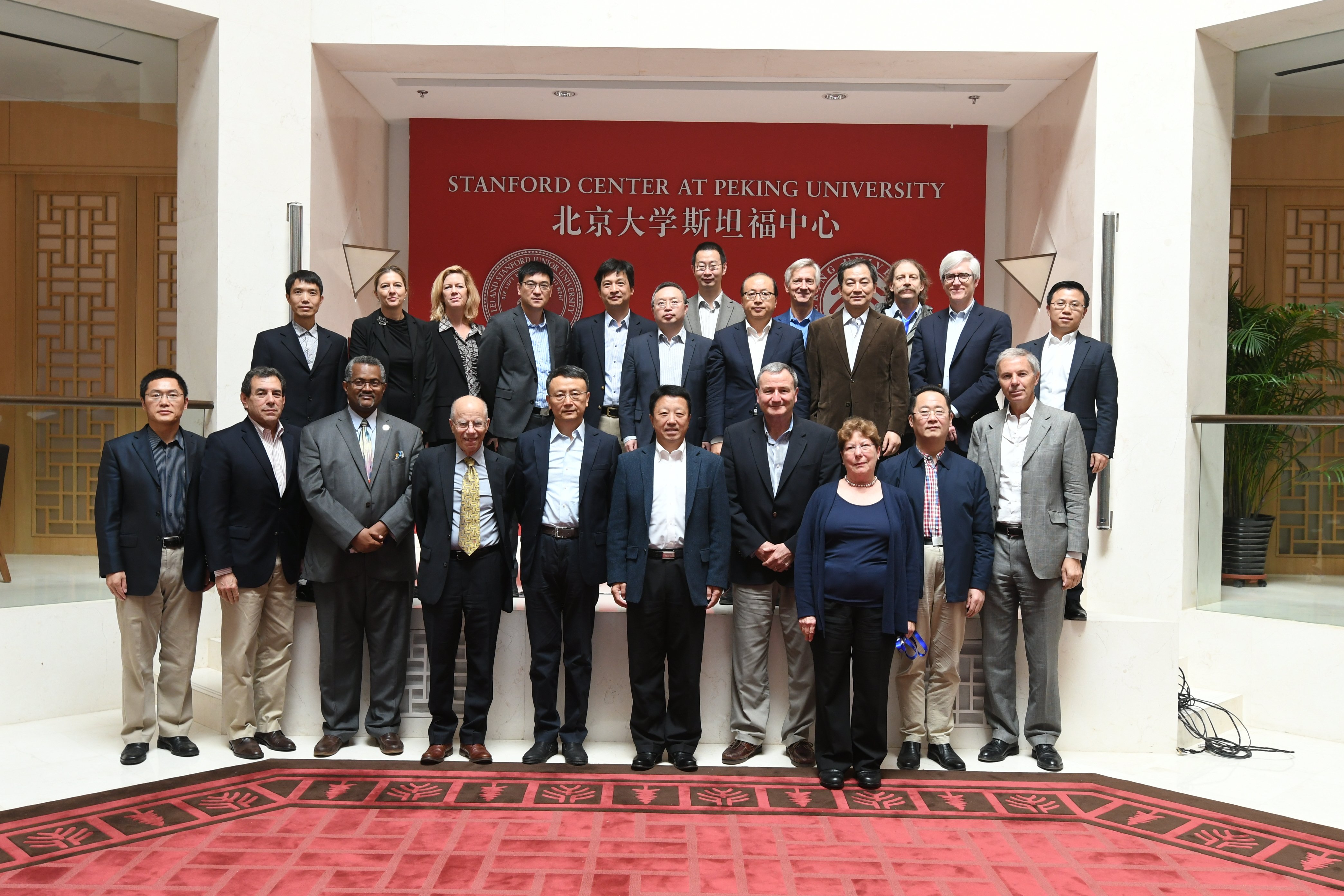
Group photo of Participants in the “Civil Wars, Intrastate Violence, and International Responses” workshop

Participants in the “Civil Wars, Intrastate Violence, and International Responses” workshop

Hero Image
Karl Eikeberry at Civil Wars, Intrastate Violence, and International Response Workshop
All News button
1
News Type
Q&As
Date
Paragraphs


Stanford Health Policy's Paul Wise held a conversation with Dr. Jim Yong Kim, president of the World Bank Group about improving the health of the poorest communities around the world. The two old friends talked about their work and the keys to accomplishing big goals during the Conversation in Global Health event. Wise is a core faculty member at Stanford Health Policy and the Center for Innovation in Global Health, as well as a senior fellow at the Freeman Spogli Institute for International Studies.

Learn More 


Hero Image
jim kim world bank president 11 1152x578 Holly Hernandez
All News button
1
Authors
Beth Duff-Brown
News Type
News
Date
Paragraphs

The number of deaths due to poor-quality health care is estimated to be five times higher than the annual global deaths from HIV/AIDS — and three times more than deaths from diabetes.

That amounts to 5 million deaths per year in 137 low- and middle-income countries as a result of poor-quality care, with a further 3.6 million lives lost due to insufficient access to care, according to the first study to quantify the burden of poor-quality health systems worldwide.

The findings come from a new analysis published in The Lancet, as part of The Lancet Global Health Commission on High Quality Health Systems. The commission was a two-year project that brought together 30 academics, policymakers and health-systems experts from 18 countries who examined how to measure and improve health system quality worldwide. Its final report was published in The Lancet Global Health.

“As efforts to expand universal health coverage continue to drive the global health agenda, these numbers remind us that addressing the quality of health systems must be a top priority,” said Stanford Health Policy’s Joshua Salomon, a professor of medicine, member of the commission, and senior author on The Lancet study.

“Increasing access to health care continues to be critically important, but we find that there is also a tremendous opportunity to do a better job at caring for those who are already accessing the health system.”

To quantify the burden of poor-quality health care, the authors analysed data for 61 different health conditions and computed the "excess mortality" found among patients in low- and middle-income countries – that is, the additional risk of death in those countries compared to corresponding risks in high-income countries with strong health systems. Among the 5 million deaths attributed to receipt of poor-quality care, 1.9 million, or nearly 40 percent, occurred in the South Asia region, which includes India, Pakistan and Afghanistan.     

The commission, in an extensive report on its overall findings and recommendations, found systematic deficits in quality of care in multiple countries, across a range of health conditions and in both primary and hospital care. These include:

  1. The over 8 million excess deaths due to poor-quality health systems lead to economic welfare losses of $6 trillion in 2015 alone.
  2. Poor-quality is a major driver of deaths amenable to health care across all conditions in low- and middle-income countries, including 84 percent of cardiovascular deaths, 81 percent of vaccine preventable diseases, 61 percent of neonatal conditions — and half of maternal, road injury, tuberculosis, HIV and other infectious disease deaths.  
  3. Approximately 1 million deaths from neonatal conditions and tuberculosis occurred in people who used the health system, but received poor care.

“Quality care should not be the purview of the elite, or an aspiration for some distant future; it should be the DNA of all health systems,” said Commission Chair Margaret E. Kruk of the Harvard T.H. Chan School of Public Health. 

“The human right to health is meaningless without good quality care. High quality health systems put people first. They generate health, earn the public’s trust, and can adapt when health needs change,” Kruk said. “Countries will know they are on the way towards high-quality, accountable health systems when health workers and policymakers choose to receive health care in their own public institutions.”

Image
lancet3

The commissioners used data from more than 81,000 consultations in 18 countries and found that, on average, mothers and children receive less than half of the recommended clinical actions in a typical visit, including failures to do postpartum check-ups, incorrect management of diarrhoea or tuberculosis, and failures to monitor blood pressure during labor.

And perhaps not surprising, poor-quality care is more common among the most vulnerable.

The wealthiest women attending antenatal care are four times more likely to report blood pressure measurements, and urine and blood tests compared to the poorest women; adolescent mothers are less likely to receive evidence-based care; and children from wealthier families are more likely to receive antibiotics. People with stigmatized health conditions, such as HIV/AIDS, mental health and substance abuse disorders, as well as other vulnerable groups such as refugees, prisoners and migrants are less likely to receive high quality care. 

“Given our findings, it is not surprising that only one quarter of people in low- and middle-income countries believe that their health systems work well,” Kruk said. 

The right to high quality care

In an accompanying editorial by The Lancet, the editors acknowledge that expansion of universal health coverage remains essential, but that without high quality health-care systems, universal care “will be an abstract and meaningless myth.”

The commission proposes several ways to address health system quality, starting with public accountability for and transparency on health system performance. 

It found many current improvement approaches have had limited effects. Additionally, commonly used health system metrics, such as availability of medicines, equipment or the proportion of births with skilled attendants, do not reflect quality of care and might lead to false complacency about progress.

The commission calls for fewer, but better measurements of health systems quality, and proposes a dashboard of metrics that should be implemented in counties by 2021 to enable transparent measurement and reporting of quality care.

“The vast epidemic of low-quality care suggests there is no quick fix, and policymakers must commit to reforming the foundations of health care systems,” said Muhammad Pate, co-chair of the commission and former minister of state for health in Nigeria.

“This includes adopting a clear quality strategy, organizing services to maximize outcomes, not access alone, modernizing health-worker education, and enlisting the public in demanding better quality care,” Pate said.

“For too long, the global health discourse has been focused on improving access to care, without sufficient emphasis on high quality care,” he said. “Providing health services without guaranteeing a minimum level of quality is ineffective, wasteful and unethical.”

Hero Image
gettyimages afghanistan mobile clinic Getty Images/Paula Bronstein
All News button
1
Authors
Beth Duff-Brown
News Type
News
Date
Paragraphs

More children die from the indirect impact of armed conflict in Africa than those killed in the crossfire and on the battlefields, according to a new study by Stanford researchers. 

The study is the first comprehensive analysis of the large and lingering effects of armed conflicts — civil wars, rebellions and interstate conflicts — on the health of noncombatants.

The numbers are sobering: 3.1 to 3.5 million infants born within 30 miles of armed conflict died from indirect consequences of battle zones between 1995 and 2005. That number jumps to 5 million deaths of children under 5 in those same conflict zones.

“The indirect effects on children are so much greater than the direct deaths from conflict,” said Stanford Health Policy's Eran Bendavid, senior author of the study published today in The Lancet.

The authors also found evidence of increased mortality risk from armed conflict as far as 60 miles away and for eight years after conflicts. Being born in the same year as a nearby armed conflict is riskiest for young infants, the authors found, with the lingering effects raising the risk of death for infants by over 30 percent.

On the entire continent, the authors wrote, the number of infant deaths related to conflict from 1995 to 2015 were more than three times the number of direct deaths from armed conflict. Further, they demonstrated a strong and stable increase of 7.7 percent in the risk of dying before age 1 among babies born within 30 miles of an armed conflict.

The authors recognize it is not surprising that African children are vulnerable to nearby armed conflict. But they show that this burden is substantially higher than previously indicated. 

“We wanted to understands the effects of war and conflict, and discovered that this was surprisingly poorly understood,” said Bendavid, an associate professor of medicine at Stanford Medicine.  “The most authoritative source, the Global Burden of Disease, only counts the direct deaths from conflict, and those estimates suggest that conflicts are a minuscule cause of death.”

Paul Wise, a professor of pediatrics at Stanford Medicine and a senior fellow at the Freeman Spogli Institute for International Studies, has long argued that lack of health care, vaccines, food, water and shelter kills more civilians than combatants from bombs and bullets. 

This study has now put data behind the theory when it comes to children.

“We hope to redefine what conflict means for civilian populations by showing how enduring and how far-reaching the destructive effects of conflict have on child health,” said Bendavid, an infectious disease physician whose co-authors include Marshall Burke, PhD, an assistant professor of earth systems science and fellow at the Center on Food Security and the Environment.

“Lack of access to key health services or to adequate nutrition are the standard explanations for stubbornly high infant mortality rates in parts of Africa,” said Burke. “But our data suggest that conflict can itself be a key driver of these outcomes, affecting health services and nutritional outcomes hundreds of kilometers away and for nearly a decade after the conflict event”. 

The results suggest efforts to reduce conflict could lead to large health benefits for children.

The Data

The authors matched data on 15,441 armed-conflict events with data on 1.99 million births and subsequent child survival across 35 African countries. Their primary conflict data came from the Uppsala Conflict Data Program Georeferenced Events Dataset, which includes detailed information about the time, location, type and intensity of conflict events from 1946 to 2016. 

The researchers also used all available data from the Demographic and Health Surveys conducted in 35 African countries from 1995 to 2015 as the primary data sources on child mortality in their analysis.

The data, they said, shows that the indirect toll of armed conflict among children is three-to-five times greater than the estimated number of direct casualties in conflict. The indirect toll is likely even higher when considering the effects on women and other vulnerable populations.

Zachary Wagner, a health economist at RAND Corporation and first author of the study, said he knows few are surprised that conflict is bad for child health.

“However, this work shows that the relationship between conflict and child mortality is stronger than previously thought and children in conflict zones remain at risk for many years after the conflict ends.” 

He notes that nearly 7 percent of child deaths in Africa are related to conflict and reiterated the grim fact that child deaths greatly outnumber direct combatant deaths.

“We hope our findings lead to enhanced efforts to reach children in conflict zones with humanitarian interventions,” Wagner said. “But we need more research that studies the reasons for why children in conflict zones have worse outcomes in order to effectively intervene.” 

Another author, Sam Heft-Neal, PhD, is a research fellow at the Center for Food Security and the Environment and in the Department of Earth Systems Science. He, Burke and Bendavid have been working together to identify the impacts of extreme climate events on infant mortality in Africa.

Hero Image
gettyimages sick baby
KYANGWALI, UGANDA - APRIL 06: A baby girl from Uganda suffering with cholera lies in a ward in the Kasonga Cholera Treatment Unit in the Kyangwali Refugee Settlement on April 6, 2018 in Kyangwali, Uganda. According to the UNHCR almost 70,000 people have arrived in Uganda from the Democratic Republic of Congo since the beginning of 2018 as they escape violence in the Ituri province. (Photo by Jack Taylor/Getty Images)
Getty Images
All News button
1
Paragraphs


Shira Mitchell and colleagues' endline evaluation of the Millennium Villages Project (MVP) in The Lancet Global Health marks an important chapter in our understanding of Africa’s meandering path towards health and economic development. Originally conceived to show the power of an integrated multisector approach to ending poverty and its associated ills, the project had its share of heated debates. The centrally planned approach that included provision of a streamlined basket of goods to each village was said to promote solutions derived from aloof economic models insensitive to local customs and constraints.


All Publications button
1
Publication Type
Journal Articles
Publication Date
Journal Publisher
The Lancet: Global Health
Authors
Eran Bendavid
Paragraphs

Poor air quality is thought to be an important mortality risk factor globally, but there is little direct evidence from the developing world on how mortality risk varies with changing exposure to ambient particulate matter. Current global estimates apply exposure-response relationships that have been derived mostly from wealthy, mid-latitude countries to spatial population data, and these estimates remain unvalidated across large portions of the globe. In this Nature paper, we combine household survey-based information on the location and timing of nearly 1 million births across sub-Saharan Africa with satellite-based estimates of exposure to ambient respirable particulate matter with an aerodynamic diameter less than 2.5 μm (PM2.5) to estimate the impact of air quality on mortality rates among infants in Africa. We find that a 10 μg m−3 increase in PM2.5 concentration is associated with a 9% (95% confidence interval, 4–14%) rise in infant mortality across the dataset. This effect has not declined over the last 15 years and does not diminish with higher levels of household wealth. Our estimates suggest that PM2.5 concentrations above minimum exposure levels were responsible for 22% (95% confidence interval, 9–35%) of infant deaths in our 30 study countries and led to 449,000 (95% confidence interval, 194,000–709,000) additional deaths of infants in 2015, an estimate that is more than three times higher than existing estimates that attribute death of infants to poor air quality for these countries. Upward revision of disease-burden estimates in the studied countries in Africa alone would result in a doubling of current estimates of global deaths of infants that are associated with air pollution, and modest reductions in African PM2.5 exposures are predicted to have health benefits to infants that are larger than most known health interventions.

All Publications button
1
Publication Type
Journal Articles
Publication Date
Journal Publisher
Nature
Authors
Eran Bendavid
Authors
Beth Duff-Brown
News Type
News
Date
Paragraphs

A new calculation that combines health and economic well-being at the population level could help to better measure progress toward the U.N. Sustainable Development Goals and illuminate major disparities in health and living standards across countries, and between men and women, according to a new study by Stanford and Harvard researchers.

In a study released this month in The Lancet Global HealthJoshua Salomon, a professor of medicine and core faculty member at Stanford Health Policy, finds there are startling differences between countries in the number of years people can expect to survive free from poverty, much greater than the differences observed in life expectancy alone, and that women surrender more years of life to poverty than men in much of the world.

At the U.N. Sustainable Development Summit in 2015, world leaders adopted the Sustainable Development Goals (SDGs) as the embodiment of the global agenda for development through 2030. One of the 17 goals calls for universal health coverage, including financial risk protection, which highlights the explicit link between economic and health development policies.

“Despite this link, and despite the multitude of targets and indicators established through the SDGs and other global initiatives, most monitoring and benchmarking efforts rely on metrics that are highly specific to a single dimension of interest,” Salomon and his colleagues from the Harvard T.H. Chan School of Public Health wrote in the Lancet study.

Such an approach misses opportunities to understand the broader impact of development policies as they affect the well-being of populations in multiple ways.

So, the researchers developed a population-level measure of poverty-free life expectancy (PFLE) and computed the measurements for 90 countries with available data. They used Sullivan's method to incorporate the prevalence of poverty by age and sex from household economic surveys into demographic life tables based on mortality rates that are routinely estimated for all countries. Poverty-free life expectancy for each country is the average number of years people could expect to survive with adequate income to meet their basic needs, given current mortality rates and poverty prevalence in that country.

The authors found that PFLE varies widely between countries, ranging from less than 10 years in Malawi to more than 80 years in countries such as Iceland.  In 67 of 90 countries, the difference between life expectancy and PFLE was greater for females than for males, indicating that women generally surrender more years of life to poverty than men do. 

In some African countries, people can expect to live more than half of the total lifespan in poverty.

“This new indicator can aid in monitoring progress toward the linked global agendas of health improvement and poverty elimination and can strengthen accountability for development policies,” the authors wrote.

Despite general improvements in survival in most regions of the world in the past decades, the focus in the Sustainable Development Goals era on ending poverty “brings into sharp relief the importance of ensuring that years of added life are lived with at least a minimum standard of economic well-being.”

Salomon said the researchers hope the development of a new, simple measure that summarizes overall health and economic welfare in a single number can do two things.

“One is to help encourage leaders to be transparent and accountable to the populations they serve through regular tracking and reporting on overall progress toward longer and better lives,” he said. “The other is to bring measurement out of the silos of individual sectors, to highlight both the need for multisectoral action to improve health and welfare and the connections between health and economic consequences of public policy.”

Hero Image
getty poverty africa Getty Images
All News button
1
Authors
Beth Duff-Brown
News Type
News
Date
Paragraphs

Malaria claims nearly half-a-million lives worldwide each year — and yet we still know so little about the immunology of the disease that has plagued humanity for centuries.

There were 216 million cases in 2016, according to the World Health Organization. Sub-Saharan Africa carries 80 percent of the global burden of the mosquito-borne infectious disease which devastates families, disrupts education, and promotes the vicious cycle of poverty.

It is particularly brutal to pregnant women, who are three times more likely to suffer from a severe form of the disease, leading to lower birthweight among their newborns and higher rates of miscarriage, premature and stillborn deliveries.

“Pregnant women and their unborn children are more susceptible to the adverse consequences of malaria, so we are working to investigate new strategies and even lay the foundation for a vaccine to prevent malaria in pregnancy,” said Prasanna Jagannathan, MD, an assistant professor of medicine who is this year’s recipient of the Rosenkranz Prize.

Jagannathan, an infectious disease physician who is also a member of Stanford’s Child Health Research Institute, said the $100,000 stipend that comes with the prize will allow his lab members to ramp up their research in Uganda. A member of the nonprofit Infectious Disease Research Collaboration in Kampala, his team is particularly interested in how strategies that prevent malaria might actually alter the development of natural immunity to malaria.

“With support from the Rosenkranz Prize, we hope to identify maternal immune characteristics and immunologic targets that are associated with protection of malaria in pregnancy and infancy,” Jagannathan said.

The Dr. George Rosenkranz Prize for Health Care Research in Developing Countries is awarded each year by the Freeman Spogli Institute for International Studies and Stanford Health Policy to a young Stanford researcher who is trying to improve health care in underserved countries. It was established in 2009 by the family or Dr. George Rosenkranz, a chemist who first synthesized cortisone in 1951, and later progesterone, the active ingredient in oral birth control pills.

“My father has held a lifelong commitment to scientific research as a way to improve the lives and well-being of communities around the world,” said Ricardo T. Rosenkranz, MD. “In particular, he has always sought to improve the health of at-risk populations. Dr. Jagannathan’s work offers the very sort of innovative ingenuity that characterized my father’s early research, as well as his vision towards the future.”

Jagannathan and his collaborators at UCSF and in Uganda are currently conducting a randomized control trial of 782 Ugandan women who are receiving intermittent preventive treatment with a fixed dose of dihydroartemisinin-piperaquine(or IPTp-DP), a medication that has dramatically reduced the risk of maternal parasitemia, anemia, and placental malaria. Their preliminary data suggests that among 684 infants born to these women, maternal receipt of IPTp-DP may lead to a reduced incidence of malaria in the first year of life.

Image

“Having the discretionary support of the Rosenkranz Prize will allow us to generate some preliminary ideas from this trial that could lead to larger studies, to push this agenda further along,” Jagannathan said.

That agenda is to create a vaccine that targets pregnant women to prevent malaria both during pregnancy — but also potentially preventing malaria in infants, giving them a better start in life.

“We’re not the first ones to think of this, but we have the opportunity to test these hypotheses in incredibly unique settings, with really well-studied cohorts that have real-world implications in terms of what we find,” Jagannathan said. “I’m hopeful that the data that’s generated over the new few years will allow us to keep moving forward.”

Jagannathan has been traveling to Uganda for a decade to study malaria. He’s seen firsthand the relentless, gnawing impact the disease has on daily life.

“Before I went to Uganda I really didn’t understand the burden that malaria causes in communities — and it’s just incredible,” he said. His first study was on children aged 5 and under who had on average six episodes of malaria a year.

“They just get it over and over again, and the toll on society is enormous,” he said. The clinics are overwhelmed and a parent or sibling must miss work or school to stay home with that child.

Yet, in highly endemic settings, children eventually develop an immunity that protects against the adverse outcomes from malaria. If he and his colleagues can understand how pregnant women and children develop this clinical immunity to malaria, it could lead to better treatments and preventative strategies.

“If we understand the mechanisms that underlie naturally acquired immunity, that would offer some clues as to how we can develop a vaccine that actually allows either that immunity to occur more quickly or prevents us from developing immunity that allows for the parasite to persist without symptoms,” he said.

There is currently a malaria vaccine undergoing testing in Africa. The vaccine, known as RTS,S, was developed by GlaxoSmithKline and the PATH Malaria Vaccine Initiative, with support from the Bill and Melinda Gates Foundation. Decades in the making, four doses of the vaccine are required to reduce malaria infection in humans.

“It’s a remarkable vaccine in that it’s effective in the beginning, but the problem is that the efficacy wanes very rapidly,” Jagannathan said, noting that some studies show that beyond three years, the effectiveness drops to 15-20 percent.

“That’s the big issue and why people are really interested in trying to find new strategies and new approaches for a next-generation malarial vaccine,” he said. “That’s the overarching aspect of what motivates my work.”

Hero Image
Prasanna Jagannathan Rosenkranz Beth Duff-Brown
All News button
1
Subtitle

Prasanna Jagannathan and his lab members intend to ramp up their research in Uganda. A member of the nonprofit Infectious Disease Research Collaboration in Kampala, his team is particularly interested in how strategies that prevent malaria might actually alter the development of natural immunity to malaria.

News Type
News
Date
Paragraphs

The rising level of carbon dioxide in the atmosphere means that crops are becoming less nutritious, and that change could lead to higher rates of malnutrition that predispose people to various diseases.

That conclusion comes from an analysis published Tuesday in the journal PLOS Medicine, which also examined how the risk could be alleviated. In the end, cutting emissions, and not public health initiatives, may be the best response, according to the paper's authors, which includes Stanford Health Policy's Eran Bendavid and Sanjay Basu.

Research has already shown that crops like wheat and rice produce lower levels of essential nutrients when exposed to higher levels of carbon dioxide, thanks to experiments that artificially increased CO2 concentrations in agricultural fields. While plants grew bigger, they also had lower concentrations of minerals like iron and zinc.


Read the story at NPR


Hero Image
gettyimages rice Getty Images
All News button
1
Authors
Beth Duff-Brown
News Type
News
Date
Paragraphs

Renowned economist Jeffrey Sachs launched an ambitious — some would say audacious — experiment back in 2005 in his quest to prove that we can end global poverty if we take a holistic, community-led approach to sustainable development.

The Millennium Villages Project targeted more than a dozen sub-Saharan villages and imposed an integrated approach to help these villages achieve the U.N. Millennium Development Goals to address poverty, health, gender equality, and disease.

Funded by World Bank loans, governments, and private contributions, the pilot wanted to see whether conditions would improve dramatically for the half-million residents of the villages in the 10 project sites by improving access to safe drinking water, primary education, basic health care, and other science-based interventions such as better seeds and fertilizer.

The results are in. And boy are they are mixed.

Some harsh critics say the MVP was a waste of hundreds of millions of dollars, the project was riddled with fundamental methodological errors, and there is little scientific evidence that the project attained its goals.

Others, such as Sachs himself in this Lancet Global Health perspective, say that while the outcomes on poverty were mixed and impacts on nutrition and education often inconclusive, “the lessons learned from the MVP are highly pertinent.”

Stanford Health Policy’s Eran Bendavid — asked to contribute a commentary about the endline evaluation of the project published online this month in The Lancet Global Health — falls somewhere between critic and advocate.

"The project, set up as a focused set of interventions implementing an important idea in international development about how to best help the poor, was a terrific opportunity for learning about how to reduce poverty and improve well-being,” Bendavid said.

But the MVP was not set up as a randomized field trial, nor was there any monitoring of what happened in any comparison areas to make sense of what the intervention had achieved.

“No comparison sites were selected either. That was a wasted opportunity,” he said. “The endline evaluation of the project does the best that can be done to eek some information from the limited opportunities for learning.”

Bendavid, an associate professor of medicine and an infectious diseases physician who focuses on global health, said the project invested about $120 per person per year for 50,000 people for 10 years. That’s about $600 million.

“The clearest evidence of benefits from this investment is improved maternal health-care and health outcomes,” he said.

The authors of the final evaluation tried to put a better spin on the net benefits.


“We found that impact estimates for 30 of 40 outcomes were significant and favored the project villages,” wrote the authors of The Millennium Villages Project: a retrospective, observational, endline evaluation.

“In particular, substantial effects were seen in agriculture and health, in which some of the outcomes were roughly one (standard deviation) better in the project villages than in the comparison villages,” they wrote. However, they added, “The project was estimated to have no significant impact on the consumption-based measures of poverty,” and impacts on nutrition and education outcomes were often inconclusive.

But when they averaged outcomes within categories, the authors — of whom Sachs was one — concluded that the project had significant favorable impacts on agriculture, nutrition, education, child health, maternal health, HIV and malaria, and water and sanitation.

In all, a third of the targets of the Millennium Development Goals were met in the project sites.

Bendavid concluded that the endline evaluation “marks an important chapter in our understanding of Africa’s meandering path towards health and economic development.” 

He noted that the project’s evaluation, which was done as well as possible given the difficulties of assessing its impact 10 years on, still failed to shed much light on the MVP’s approach as a method to bring an end to poverty. 

“This was such an important project,” Bendavid said. “We’ll never fully know where it succeeded and where it did not, but this evaluation is a welcome bookend to what we are likely to ever learn from that experience.”

Listen to a podcast with Bendavid.


Hero Image
getty jeffrey sachs
Jeffrey Sachs, special advisor to UN Secretary General on the Millennium Development Goals, delivers a speech at a UN Economic and Social Council meeting in New York City. Sachs is attempting to implement a plan to meet the Millennium Development Goals which would lift hundreds of millions out of poverty and save tens of millions of lives.
Mario Tama/Getty Images)
All News button
1
Subscribe to Sub-Saharan Africa