Global Health
Authors
Beth Duff-Brown
News Type
News
Date
Paragraphs

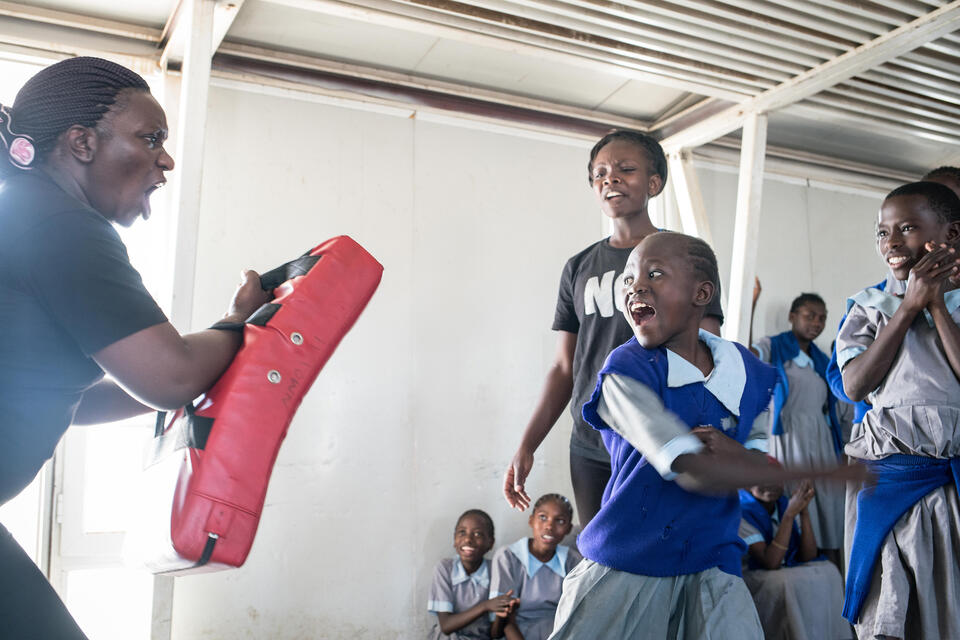
In the slums of Nairobi, where sexual assault is as commonplace as it is taboo to discuss, a team of Kenyan counselors is teaching kids that no means no.

The girls learn to shout — “Hands off my body!” — and throw an elbow jab or good kick to the groin. The boys are encouraged to stand up for the girls and fight against the social traditions that have normalized rape.

Perhaps most effectively, the children learn how to talk themselves out of precarious situations, use clever diversions and speak loudly when faced with potential attackers, through a series of role-playing exercises that promote healthy gender norms.

The behavioral intervention appears to be working. Observational studies have inferred that the incidence of rape has dropped dramatically — perhaps even by half.

But how do those who are devoted to protecting these girls from sexual violence prove to themselves and their donors that their efforts and dollars are making a difference?

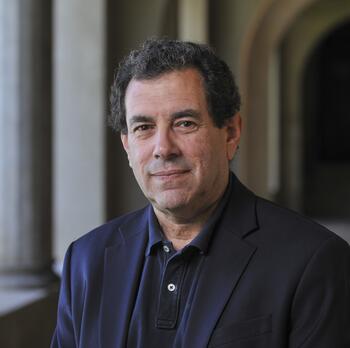
This is where Mike Baiocchi comes in. The Stanford statistician and his team of researchers and students are conducting the largest-ever randomized trial of its kind in an effort to place rare, high-quality quantitative proof alongside the more common observational evidence.

“That’s what I specialize in: messy, real-world data where you try and prove the cause-and-effect relationship,” said Baiocchi, PhD, an assistant professor of medicine at the Stanford Prevention Research Center in the School of Medicine.

Rosenkranz Prize 2017 winner Mike Baiocchi and his partner, Clea Sarnquist, both of Stanford Medicine, conduct research on the ground in Nairobi, Kenya, to determine whether a rape prevention program is truly making a difference. Rosenkranz Prize 2017 winner Mike Baiocchi and his partner, Clea Sarnquist, both of Stanford Medicine, conduct research on the ground in Nairobi, Kenya, to determine whether a rape prevention program is truly making a difference.

Rosenkranz Prize 2017 winner Mike Baiocchi and his partner, Clea Sarnquist, both of Stanford Medicine, conduct research on the ground in Nairobi, Kenya, to determine whether a rape prevention program is truly making a difference.
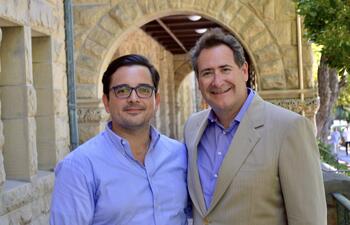
 

Baiocchi and his team have designed a closed-cohort study that will track the behavior of about 5,000 girls and 1,000 boys enrolled in the No Means No Worldwide project, which is training 300,000 girls and boys in Kenya and Malawi to prevent rape and teen pregnancy.

This innovative approach to applying math to a real-world problem won him this year’s Rosenkranz Prize for Health Care Research in Developing Countries.

“The entire Rosenkranz selection committee was highly impressed both with the rigor of Mike’s work — which he publishes in top journals in the field of statistics — as well as his unconventional and potentially very impactful work on the prevention of gender-based violence in illegal settlements around Nairobi,” said Grant Miller, PhD, an associate professor of medicine and core faculty member at Stanford Health Policy.

Miller chairs the committee that selects the winners of Stanford Health Policy’s annual $100,000 prize, which goes to promising young Stanford researchers who are investigating ways to improve health care and health policy in developing countries.

Overwhelming Prevalence of Sexual Violence

In the United States, according to the Centers for Disease Control and Prevention, nearly one in five women are raped. The World Health Organization estimates that globally, one in three women experience sexual or physical violence.

In Kenya, national surveys reveal that as many as 46 percent of Kenyan women experience sexual assault as children.

“In the roughest part of the Nairobi slums, 20 to 25 percent of high school girls will be raped this year,” said Baiocchi. “This program, however, looks like it is having the ability to cut that in about half. Our job is to tease out the evidence through careful measurement and design of experiment.”

To do this, Baiocchi and other members of the Stanford Gender-Based Violence Collaborative have traveled to Nairobi to collect baseline data. His partner is Clea Sarnquist, DrPH, a senior research scholar for the Global Child Health Program in the Stanford Department of Pediatrics.

Several pilot evaluations of the program, published in 2014 in Pediatrics, found that more than half of 2,000 high school girls who had completed the self-defense course had used their newfound skills to fend off sexual harassment or rape.

But Lee Paiva, the San Francisco-based founder of No Means No Worldwide, wanted proof. She told Stanford Medicine magazine last year that since establishing training in 2010, she often wondered about the true effectiveness of the program.

“A little voice inside me said, `What did you teach them?’” she said. “What did those kids actually get? What is that money really going to do?”

She determined that she wasn’t going to move forward on the program until she could answer those questions. That is when she turned to Stanford.

Expanding on their initial work, Baiocchi and Sarnquist spent several months last year, working with their Kenyan partners, Ujamaa-Africa and the African Institute for Health and Development, in 90 schools in the poorest parts of Nairobi to establish the largest randomized trial of its kind.

They interviewed the girls who have taken part in the six-week empowerment and self-defense program taught by Kenyans who grew up in the same neighborhoods and are familiar with the local culture.

“It’s hard not to be extraordinarily excited when you watch these girls; they’re play-acting and just being kids, but you are also watching them evolving and creating new ways to deal with these situations,” said Baiocchi.The team is now tracking a fixed group of  5,000 girls and 1,000 boys, ages 10 to 16, over two years. This will give the researchers a better understanding of just how the girls are adopting the training and readapting to societal demands.

Image


“Doing a randomized trial is slow, expensive, and — if I’m being totally honest — anxiety-inducing because everything is laid so bare and you put things in motion today that won’t be resolved for another two years,” Baiocchi said. “But the reward is extraordinarily high-quality data that helps you understand what’s really going on. We need this level of evidence if we’re going to take on such a difficult problem.”

Since using math to measure the benefits of gender-based violence prevention interventions is a relatively new science, Baiocchi said the team is adopting the highest level of rigor, equivalent to what it would take to get their results through the FDA.

The randomized controlled trial is being funded by the UK Department of International Development as part of its What Works to Prevent Violence initiative, with the goal of determining whether the behavioral intervention is effective in preventing sexual assault.

A Need to Do Good

Baiocchi notes both his parents are nurses, his brother is a nurse who is married to a nurse. Public health and service runs through the family DNA.

“So, when I came out as being a math person, I knew that I also had to do good.”

Since receiving his PhD in statistics from The Wharton School at the University of Pennsylvania in 2011, Baiocchi has worked on ways to improve high-risk infant deliveries, school-based earthquake risk reduction in Nepal, bail reform in the United States, improving cardiothoracic surgical care, as well as cancer and cardiovascular disease prevention in China.

The Kenya project team, which includes eight Stanford undergraduate and graduate students, intends to share their results, putting out open-source tutorials that will explain their statistical methods and provide sample code and data.

Image

“We want to make it really easy for people in this area to start having a similar language so we can better communicate and build on this science,” he said.

The Rosenkranz funding will help to build this open-source site and support the Stanford team in their research and travel to Kenya and other countries.

The award’s namesake, George Rosenkranz, who holds a doctorate in chemistry, first synthesized cortisone in 1951, and later progestin, the active ingredient in oral birth control pills. He went on to establish the Mexican National Institute for Genomic Medicine, and his family created the Rosenkranz Prize in 2009.The award embodies Rosenkranz’s belief that young scientists hold the curiosity and drive necessary to find alternative solutions to longstanding health-care dilemmas.

Baiocchi called Rosenkranz’s work to help women take control of their reproductive health “revolutionary,” and is humbled to now be on the list of the other prizewinners, Eran Bendavid, Sanjay Basu, Marcella Alsan, Jason Andrews and Ami Bhatt.

“Our work is a continuation of the powerful changes Dr. Rosenkranz set in motion,” he said.

And what really matters, Baiocchi said, are the end results.

“There are a number of girls who are not going to get raped this year because of what we are doing,” he said. “And we know that if someone doesn’t get assaulted, that leads them to having a better life — it’s an extraordinarily virtuous cycle.”

[[{"fid":"226830","view_mode":"crop_870xauto","fields":{"format":"crop_870xauto","field_file_image_description[und][0][value]":"","field_file_image_alt_text[und][0][value]":false,"field_file_image_title_text[und][0][value]":false,"field_credit[und][0][value]":"","field_caption[und][0][value]":"","thumbnails":"crop_870xauto","alt":"","title":""},"type":"media","field_deltas":{"6":{"format":"crop_870xauto","field_file_image_description[und][0][value]":"","field_file_image_alt_text[und][0][value]":false,"field_file_image_title_text[und][0][value]":false,"field_credit[und][0][value]":"","field_caption[und][0][value]":"","thumbnails":"crop_870xauto","alt":"","title":""}},"link_text":null,"attributes":{"class":"media-element file-crop-870xauto","data-delta":"6"}}]]

Hero Image
kenya rosenkranz3 Nichole Sobecki
All News button
1
Paragraphs

Most civilian casualties in war are not the result of direct exposure to bombs and bullets; they are due to the destruction of the essentials of daily living, including food, water, shelter, and health care. These “indirect” effects are too often invisible and not adequately assessed nor addressed by just war principles or global humanitarian response. This essay suggests that while the neglect of indirect effects has been longstanding, recent technical advances make such neglect increasingly unacceptable: 1) our ability to measure indirect effects has improved dramatically and 2) our ability to prevent or mitigate the indirect human toll of war has made unprecedented progress. Together, these advances underscore the importance of addressing more fully the challenge of indirect effects both in the application of just war principles as well as their tragic human cost in areas of conflict around the world.

All Publications button
1
Publication Type
Journal Articles
Publication Date
Journal Publisher
Daedalus
Authors
Paul H. Wise
Paragraphs

Historically, improvements in the quality of municipal drinking water made important contributions to mortality decline in wealthy countries. However, water disinfection often does not produce equivalent benefits in developing countries today. We investigate this puzzle by analyzing an abrupt, large-scale municipal water disinfection program in Mexico in 1991 that increased the share of Mexico’s population receiving chlorinated water from 55% to 85% within six months. We find that on average, the program was associated with a 37 to 48% decline in diarrheal disease deaths among children (over 23,000 averted deaths per year) and was highly cost-effective (about $1,310 per life year saved). However, we also find evidence that age (degradation) of water pipes and lack of complementary sanitation infrastructure play important roles in attenuating these benefits. Countervailing behavioral responses, although present, appear to be less important.

All Publications button
1
Publication Type
Working Papers
Publication Date
Journal Publisher
National Bureau of Economic Research
Authors
Grant Miller
Authors
News Type
Commentary
Date
Paragraphs

Pandemics are a growing health concern in the United States and abroad. But as global health specialists are ramping up efforts to prevent them, funding may be slipping away.

President Trump's proposed budget would eliminate the National Institutes of Health's Fogarty International Center, a key player in the fight against diseases worldwide.

According to a USA Today column by Michele Barry, Director of the Center for Innovation in Global Health and a Stanford Health Policy affiliate, and David Yach, a former cabinet director at the World Health Organization, Fogarty's global health research benefits the United States along with other countries. The center has produced insights into Alzheimer's research, is looking into the genetics of obesity and diabetes, and has started developing early warning systems for pandemics.

But its most important accomplishment, according to Barry and Yach, is training scientists in more than 100 low- and middle-income countries. These experts have emerged as leaders in their own countries and around the world.

Their contributions have not only improved health but have influenced the World Health Organization and leading global health donors.

Said Barry and Yach, "To eliminate the Fogarty Center now would undermine progress, erode trust in America’s leadership in global health, and increase the risk of a devastating and preventable epidemic in the U.S. Keeping Fogarty would preserve health, both of Americans and populations all over the world."

Read the full article.

Hero Image
32919905466 acc41ab6d8 o ALBERT GONZALEZ FARRAN / AFP / Getty Images
All News button
1
Authors
Beth Duff-Brown
News Type
News
Date
Paragraphs

Non-communicable diseases such as heart and respiratory disease, cancer, obesity and diabetes are now responsible for some two-thirds of premature deaths around the world. And most of those are in low- and middle-income countries.

The United Nations has estimated that on top of the social and psychological burdens of chronic disease, the cumulative loss to the global economy could reach $47 trillion by 2030 if things remain status quo.

“That was a big whopper of a number and got a lot of attention, and that was good because it raised awareness,” said Rachel Nugent, vice president for global non-communicable diseases (NDCs) at the research institute RTI International.

“It’s an issue that is driven by a lot of different factors, “ she said. “And understanding how the larger social and economic factors affect NDCs, at a policy level, very little progress has been made — there’s been very little collaboration.”

Nugent was addressing the fourth annual Global Health Economics Colloquium at University of California San Francisco, with health experts, policymakers, students and researchers from Stanford, Berkeley and UCSF who gather every year to take a deep dive into the economics of a global health issue. More than 200 experts from 10 universities and public health departments attended the conference.

The daylong gathering focused on recent developments in the economics of NDCs, looking at case studies from around the world, and new guidelines for cost-effectiveness analysis and the role of economics in reducing health inequality.

“The donors are not convinced that there are cost-effective things that we can do in these countries; a lot of them are very skeptical that this is affecting the poor,” said Nugent, a member of the World Health Organization’s expert advisory panel on the management of NCDs.

In India, for example, much of the population still defecates outdoors, contaminating water sources and agricultural products, which can lead to malnutrition and physical and cognitive disorders. Many donors would rather see funds go to building latrines as they can see tangible results; NDC prevention is a long-term slog.

“But I don’t think we should necessarily think of NDCs as either-or,” said Nugent.  “I think that integration of services and programming is very much at the forefront of what is the right way to go.”

Image
rachel nugent

Cost-effectiveness Analyses

Nugent’s research has shown five cost-effective interventions would avert more than 5 million premature deaths from NCDs by 2030, or a reduction of 28.5 percent in projected mortality from chronic disease around the world. And the average benefit-cost ratio is 9:1, at a global cost of $8.5 billion a year.

The interventions are raising the price of tobacco products by 125 percent through taxation; providing aspirin to 75 percent of those suffering from acute myocardial infarction; reducing salt intake by 30 percent; reducing the prevalence of high blood pressure with low-cost hypertension medication; and providing preventive drug therapy to 70 percent of those at high risk of heart disease.

Gillian Sanders-Schmidler, a professor of medicine at Duke University Medical Center and former assistant professor of medicine at Stanford Health Policy’s Center for Primary Care and Outcomes Research, addressed the colloquium about recommendations of the Second Panel on Cost-Effectiveness in Health and Medicine.

“There is a continued emphasis on transparency and comparability across analyses,” said Sanders-Schmidler. “And of course the big changes are that we’re now asking for a second reference case and using an ‘impact inventory’ table to clarify the scope of the findings.”

The independent panel of non-government scientists and scholars, which also included Stanford Health Policy’s Douglas K. Owens, focused on new ways to deliver health care effectively, yet with a focus on efficiency, as health care spending in the United States has reached 18 percent of GDP, much greater than the global average of 10 percent.

The first panel that convened in 1996 recommended that all cost-effectiveness analyses of health interventions include a reference case that uses standard methodological practices to improve comparability and quality. The second panel, which published its findings in September, now recommends that in addition to the societal perspective recommended by the original panel, that CEAs include a second reference case that looks at the health-care sector impact of an intervention. Additional guidance was given on what to include in the societal perspective reference case.

The panel wrote in its JAMA “special communication” that these societal reference cases should include medical costs “borne by third-party payers and paid out-of-pocket by patients, time costs of patients in seeking and receiving care, time costs of informal (unpaid) caregivers, transportation costs, effects on future productivity and consumption, and other costs and effects outside the health-care sector.”

They found most countries, including the United States, give greater weight to clinical evidence in their cost-effectiveness analyses. The panel now recommends an “impact inventory” that helps analysts and end-users of cost effectiveness analyses look at the impact of interventions beyond the formal health-care sector.

“We’re trying to ask people to be explicit,” said Owens, director of the Center of Primary Care and Outcomes Research and Center for Health Policy at Stanford.

“We want them to look at how to value outcomes in a societal perspective, not just the health-care sector, to look at all these other sectors such as productivity consumption, criminal justice, education, housing and the environment,” he said.

Image
sodas

Case Studies

Several case studies presented at the colloquium indicated that policy changes, government intervention and social factors are key to preventing obesity and diabetes and other NCDs.

Kristine Madsen, an associate professor of public health at UC Berkeley who focuses on childhood obesity, spoke about the nation’s first “soda tax” on sugar-sweetened beverages, which was implemented in Berkeley in March 2015.

The city has seen a 21 percent decline in the drinking of soda and other sugary drinks in low-income neighborhoods after the city levied a penny-per-ounce tax on sodas and sugary drinks. At the same time, according to a study in the American Journal of Public Health, neighboring San Francisco — where a similar soda-tax measure was defeated — and Oakland saw a 4 percent increase in the purchase of sweetened beverages.

“This decline of 21 percent in Berkeley represents the largest public health impact in an intervention that I have ever seen,” said Madsen.

Sergio Bautista of the Mexico National Institute of Public Health and UC Berkeley, said that Mexico’s sugary drinks tax implemented in January 2014 is expected to lead to a 10 percent reduction in sugary drinks consumption and prevent an estimated 189,300 cases of diabetes in a country famed for its sugary bottled cola.

William Dow, a professor of health policy management at UC Berkeley, shared his research on Costa Rica, where on average people live longer than Americans, despite the several times higher income and 10 times higher health expenditures in the United States.

Costa Rican men have a life expectancy of 77 and the women typically live until age 82; in Americans the numbers are 76 and 81, respectively. Obesity is low among Costa Rican men and few of their women smoke. Lung cancer mortality in the United States is four times higher among men and six times higher among women.

“It’s remarkable in so many ways,” Dow said, noting that deaths in the Central American country are due predominantly to infectious disease. “Does Costa Rica have any unique effective programs to emulate, or is there something going on upstream driving those health outcomes?”

He believes Costa Rica’s national health insurance and excellent access to primary care for nearly all its people are key. Having this guaranteed lifetime access to health care also reduces the stress and depression that can so badly harm physical health.

“And I would argue that probably diet is one of the most important things going on here,” said Dow, noting their diets are healthy.

Costa Ricans eat mostly unprocessed foods such as rice and black beans, corn tortilla, yam and squash, with little meat and plenty of fresh fruit.

“They also have the highest remaining life expectancy at age 80 of any country in the world, he said. “What we have learned in Costa Rica would be helpful in many other countries.”

Hero Image
ariel people Getty Images
All News button
1
Authors
News Type
News
Date
Paragraphs

In a shack that now sits below sea level, a mother in Bangladesh struggles to grow vegetables in soil inundated by salt water. In Malawi, a toddler joins thousands of other children perishing from drought-induced malnutrition. And in China, more than one million people died from air pollution in 2012 alone.

Around the world, climate change is already having an effect on human health.

In a recent paper, Katherine Burke and Michele Barry from the Stanford Center for Innovation in Global Health, along with former Wellesley College President Diana Walsh, described climate change as “the ultimate global health crisis.” They offered recommendations to the new United States president to address the urgently arising health risks associated with climate change.

gettyimages 451722570 Bangladeshi children make their way through flood waters.

The authors, along with Stanford researchers Marshall Burke, Eran Bendavid and Amy Pickering who also study climate change, are concerned by how little has been done to mitigate its effects on health.

“I think it’s likely that health impacts could be the most important impact of climate change,” said Marshall Burke, an assistant professor of earth system science and a fellow at the Freeman-Spogli Institute for International Studies.

There is still time to ease — though not eliminate — the worst effects on health, but as the average global temperature continues to creep upward, time appears to be running short.

“I think we are at a critical point right now in terms of mitigating the effects of climate change on health,” said Amy Pickering, a research engineer at the Woods Institute for the Environment. “And I don’t think that’s a priority of the new administration at all.”

Health effects of climate change

Even in countries like the United States that are well-equipped to adapt to climate change, health impacts will be significant.

“Extremes of temperature have a very observable direct effect,” said Eran Bendavid, an assistant professor of medicine and Stanford Health Policy core faculty member.

“We see mortality rates increase when temperatures are very low, and especially when they are very high.”

Bendavid also has seen air pollutants cause respiratory problems in people from Beijing to Los Angeles to villages in Sub-Saharan Africa.

“Hotter temperatures make it such that particulate matter and dust and pollutants stick around longer,” he said.

In addition to respiratory issues, air pollution can have long-term cognitive effects. A study in Chile found that children who are exposed to high amounts of air pollution in utero score lower on math tests by the fourth grade.

“I think we’re only starting to understand the true costs of dirty air,” said Marshall Burke. “Even short-term exposure to low levels can have life-long effects.”

Low-income countries like Bangladesh already suffer widespread, direct health effects from rising sea levels. Salt water flooding has crept through homes and crops, threatening food sources and drinking water for millions of people.

“I think that flooding is one of the most pressing issues in low-income and densely populated countries,” said Pickering. “There’s no infrastructure there to handle it.”

Standing water left over from flooding is also a breeding ground for diseases like cholera, diarrhea and mosquito-borne illnesses, all of which are likely to become more prevalent as the planet warms.

On the flip side, many regions of Sub-Saharan Africa — where clean water is already hard to access — are likely to experience severe droughts. The United Nations warned last year that more than 36 million people across southern and eastern Africa face hunger due to drought and record-high temperatures.

Residents may have to walk farther to find water, and local sources could become contaminated more easily. Pickering fears that losing access to nearby, clean water will make maintaining proper hygiene and growing nutritious foods a challenge.

Flow Chart detailing how Climate CHnage Affects Your Health Climate change will affect health in all sectors of society.

All of these effects and more can also damage mental health, said Katherine Burke and her colleagues in their paper. The aftermath of extreme weather events and the hardships of living in long-term drought or flood can cause anxiety, depression, grief and trauma.

Climate change will affect health in every sector of society, but as Katherine Burke and her colleagues said, “….climate disruption is inflicting the greatest suffering on those least responsible for causing it, least equipped to adapt, least able to resist the powerful forces of the status quo.

“If we fail to act now,” they said, “the survival of our species may hang in the balance.”

What can the new administration do to ease health effects?

If the Paris Agreement’s emissions standards are met, scientists predict that the world’s temperature will increase about 2.7 degrees Celsius – still significant but less hazardous than the 4-degree increase projected from current emissions.

The United States plays a critical role in the Paris Agreement. Apart from the significance of cutting its own emissions, failing to live up to its end of the bargain — as the Trump administration has suggested — could have a significant impact on the morale of the other countries involved.

“The reason that Paris is going to work is because we’re in this together,” said Marshall Burke. “If you don’t meet your target, you’re going to be publicly shamed.”

The Trump administration has also discussed repealing the Clean Power Plan, Obama-era legislation to decrease the use of coal, which has been shown to contribute to respiratory disease.

“Withdrawing from either of those will likely have negative short- and long-run health impacts, both in the U.S. and abroad,” said Marshall Burke.

Scott Pruitt, who was confirmed today as the head of the Environmental Protection Agency (EPA), is expected to carry out Trump’s promise to dismantle environment regulations.

Despite the Trump administration’s apparent doubts about climate change, a few prominent Republicans do support addressing its effects.

Secretary of State Rex Tillerson, the former chairman and CEO of Exxon Mobile, supports a carbon tax, which would create a financial incentive to turn to renewable energy sources. He also has expressed support for the Paris Agreement. It is possible that as secretary of state, Tillerson could help maintain U.S. obligations from the Paris Agreement, though it is far from certain whether he would choose to do so or how Trump would react.

More promising is a recent proposal from the Climate Leadership Council. Authored by eight leading Republicans — including two former secretaries of state, two former secretaries of the treasury and Rob Walton, Walmart’s former chairman of the board — the plan seeks to reduce emissions considerably through a carbon dividends plan.

gettyimages 613945168 Already an issue, malnutrition will increase with droughts in Sub-Saharan Africa.

Their proposal would gradually increase taxes on carbon emissions but would return the proceeds directly to the American people. Americans would receive a regular check with their portion of the proceeds, similar to receiving a social security check. According to the authors, 70 percent of Americans would come out ahead financially, keeping the tax from being a burden on low- and middle-income Americans while still incentivizing lower emissions.

“A tax on carbon is exactly what we need to provide the right incentives and induce the sort of technological and infrastructure change needed to reduce long-term emissions,” said Marshall Burke.

Pickering added, “This policy is a ray of hope for meaningful action on climate.”

It remains to be seen whether the new administration and congress would consider such a program.

What can academics do to help?

Meanwhile, academics can promote health by researching the effects of climate change and finding ways to adapt to them.

“I think it’s fascinating that there’s just so little data right now on how climate change is going to impact health,” said Pickering.

Studying the effects of warming on the world challenges traditional methods of research.

“You can’t create any sort of experiment,” said Bendavid. “There’s only one climate and one planet.”

The scholars agree that interdisciplinary study is a critical part of adapting to climate change and that more research is needed.

“If ever there was an issue worthy of a leader’s best effort, this is the moment, this is the issue,” said Katherine Burke and her colleagues. “Time is short, but it may not be too late to make all the difference.”

Hero Image
smokestacksfinal Lukas Schulze / Getty Images
All News button
1
Authors
News Type
News
Date
Paragraphs

The Trump administration’s reinstatement of a policy that bans U.S. foreign aid to agencies that provide abortion counseling abroad was a predictable move that could have unintended consequences, Stanford researchers say.

The move freezes funding to nongovernmental organizations that provide abortion services or discuss abortions as a legitimate  family-planning option. It revives what is known as the “Mexico City Policy,” so called because it was announced by President Regan in 1984 during a U.N. population conference in Mexico City. It’s a highly partisan policy, which has been implemented under Republican administrations and suspended by Democratic presidents.

From that standpoint, the move to revive the policy was no surprise, said Grant Miller, PhD, an associate professor of medicine at Stanford and core faculty member at Stanford Health Policy. But Miller’s research has shown that the policy actually appears to have the unintended effect of increasing, not decreasing, abortions in the developing world.

“The bottom line is that it doesn’t matter what you think about abortion and the morality and ethics of it,” Miller told me. “I don’t think either side of the disagreement would think a good policy is one that leads to an increase in abortions. Neither side wants to see more abortions.”

In 2011, Miller published a study with Eran Bendavid, MD, on the impact of the policy between 1994 and 2008 in sub-Saharan Africa, a region in which family planning services are heavily financed by U.S. foreign aid. Family planning agencies provide a range of family planning services, including contraception, so when their funding is cut, the availability of contraception declines, said Bendavid, the study’s lead author and another faculty member at Stanford Health Policy. This results in declining use of safe contraception and an increase in abortion rates, the researchers found.

“Sure enough, where you see this relative decline in use of contraception is where you see this uptick in abortion,” said Bendavid, an assistant professor of medicine. “Our theory of what is underlying this is this notion that when women have more restricted access to modern contraception, they rely on abortion. If the intention was to curb abortion, then what we observe is that cutting support to family planning organizations led to the  opposite effect.”

Miller followed that up with another study published in 2016 that focused on Nepal during the period when the government legalized abortion, making it more widely available. The policy change gave him the opportunity to test the idea of abortion and contraception as substitutes — i.e. that use of one method to limit family size reduces use of the other. In fact, as the number of abortions rose, use of contraception declined, he found.

“What is remarkable is that this is clear evidence on this interchangeable use that women make in use of contraceptives and abortion services,” Miller said.

In other words, women are trying to control the number of children they have and will use one or the other, depending in part upon what is most available. “If contraception is available, they won’t have to resort to abortion,” Bendavid said.

He said these results have subsequently been corroborated in other studies in sub-Saharan Africa.


Hero Image
family planning
A woman sits by her stall in the Jorkpan market at Sinkor district in Monrovia, on May 2, 2016. Family planning services, like contraceptives and counselling are available in the markets in Liberia, an initiative that is aimed at tackling the high adolescent pregnancy rate in the younger population.
Marco Longari/AFP/Getty Images
All News button
1
Paragraphs

There is something deeply troubling about a death that goes unnoticed. Beyond the humane impulse to provide solace through collective acknowledgment and community support lies the recognition that an unnoticed death implies an unnoticed life. There can be no doubt that the accurate counting and causal attribution of morbidity and mortality provide technical information that is essential for public health planning, evaluation, and improvement in program performance. However, there is also a justice imperative inherent in counting and attribution—an imperative that transcends the practical and touches on the moral basis of global health and its commitment to the rights and societal claims of those whose health and well-being have for too long gone unnoticed.

All Publications button
1
Publication Type
Commentary
Publication Date
Journal Publisher
Journal of the American Medical Association (JAMA) Pediatrics
Authors
Paul H. Wise
Paragraphs

Importance:

Value-driven payment system reform is a potential tool for aligning economic incentives with the improvement of quality and efficiency of health care and containment of cost. Such a payment system has not been researched satisfactorily in full-cycle cancer care.

Objective:

To examine the association of outcomes and medical expenditures with a bundled-payment pay-for-performance program for breast cancer in Taiwan compared with a fee-for-service (FFS) program.

Design, Setting, and Participants:

Data were obtained from the Taiwan Cancer Database, National Health Insurance Claims Data, the National Death Registry, and the bundled-payment enrollment file. Women with newly diagnosed breast cancer and a documented first cancer treatment from January 1, 2004, to December 31, 2008, were selected from the Taiwan Cancer Database and followed up for 5 years, with the last follow-up data available on December 31, 2013. Patients in the bundled-payment program were matched at a ratio of 1:3 with control individuals in an FFS program using a propensity score method. The final sample of 17 940 patients included 4485 (25%) in the bundled-payment group and 13 455 (75%) in the FFS group.

Main Outcomes and Measures:

Rates of adherence to quality indicators, survival rates, and medical payments (excluding bonuses paid in the bundled-payment group). The Kaplan-Meier method was used to calculate 5-year overall and event-free survival rates by cancer stage, and the Cox proportional hazards regression model was used to examine the effect of the bundled-payment program on overall and event-free survival. Sensitivity analysis for bonus payments in the bundled-payment group was also performed.

Results:

The study population included 17 940 women (mean [SD] age, 52.2 [10.3] years). In the bundled-payment group, 1473 of 4215 patients (34.9%) with applicable quality indicators had full (100%) adherence to quality indicators compared with 3438 of 12 506 patients (27.5%) with applicable quality indicators in the FFS group (P < .001). The 5-year event-free survival rates for patients with stages 0 to III breast cancer were 84.48% for the bundled-payment group and 80.88% for the FFS group (P < .01). Although the 5-year medical payments of the bundled-payment group remained stable, the cumulative medical payments for the FFS group steadily increased from $16 000 to $19 230 and exceeded pay-for-performance bundled payments starting in 2008.

Conclusions and Relevance:

In Taiwan, compared with the regular FFS program, bundled payment may lead to better adherence to quality indicators, better outcomes, and more effective cost-control over time.


All Publications button
1
Publication Type
Journal Articles
Publication Date
Journal Publisher
Journal of the American Medical Association (JAMA) Oncology
Authors
C. Jason Wang
Subscribe to Global Health