Global Health
Authors
Beth Duff-Brown
News Type
Commentary
Date
Paragraphs

There are a billion guns in the world today. Those firearms took the lives of about 251,000 people in 195 countries in 2016, according to new research. 

That’s a lot of guns and fatalities, mostly by homicide, suicide and accidents with firearms.

About 35 percent of those gun deaths were by Americans committing suicide.

In the most comprehensive investigation of its kind, the findings, published this week in the Journal of the American Medical Association (JAMA), show 64 percent of firearm-related deaths were homicides, 27 percent were suicides and 9 percent were unintentional deaths.

And in all but one year of the 27-year study period — 1994 due to the Rwandan genocide — firearm deaths were more common along sidewalks than on the battlefields.

“This constitutes a major public health problem for humanity,” said Stanford Health Policy’s David Studdert, a professor of medicine and professor of law.

In an accompanying editorial alongside the research by a consortium of public health experts, the Global Burden of Disease 2016 Injury Collaborators, Studdert and his co-authors write:

“Injuries and deaths from firearms are increasingly part of modern consciousness, particularly in some countries. In the United States, gun-related massacres at schools, places of worship, workplaces, night clubs, and recreational venues have seared images of innocent victims in the minds of the populace. In the United States and elsewhere, acts of terrorism committed with firearms and other lethal means have changed the way people live, work, travel, and play.”

But Studdert and his co-authors — firearms and public health experts Frederick P. Rivara at the University of Washington and Garden J. Wintemute at the University of California, Davis — argue that the deaths from these headline-generating mass shootings and terrorist attacks are only a fraction of the public health burden of firearm-related murders and suicides.

“Mass shootings and terrorism perpetrated with guns are the most visible forms of firearm violence,” Studdert told SHP. “But most firearm deaths are private tragedies. They are homicides and suicides that occur behind closed doors, leaving families and communities devastated.”


The global burden of firearm mortality is highly concentrated, according to the research. In 2016, six countries in the Americas — Brazil, the United States, Mexico, Columbia, Venezuela and Guatemala — accounted for slightlymore than 50 percent of all deaths.

An estimated 32 percent of the deaths occurred in just two countries, Brazil and the United States, with Brazil accounting for one-fourth of all firearm homicides and the United States 35 percent of all firearm suicides.

“For individuals living in the United States, where the national policy debate has focused largely on interpersonal violence, the study provides a reminder of the importance of firearm suicide. In 2016, there were 2 firearm suicides for every firearm homicide, a margin that has widened over the past decade as suicide rates have increased and homicide rates have been relatively flat. Older white non-Hispanic men are at greatest risk of firearm suicide. Research and prevention efforts in the United States should proceed from a more inclusive definition of firearm violence.”

The authors believe more robust methods for estimating the number and distribution of firearms — as well as a better understanding of access — are critically important in determining which policies and prevention strategies are most effective and how best to implement them.

Studdert and his fellow researchers said research on firearm violence and public health has been impeded by the Dickey Amendment, the 1996 bill that mandated “none of the funds made available for injury prevention and control  at the Centers for Disease Control and Prevention may be used to advocate or promote gun control.”

“In the absence of this funding, several private foundations have stepped in to fill the void," they wrote. "However, real progress in addressing the vast public health problem that the Global Burden of Injury Collaborators document will depend on sustained action from governments in both research and policy.”

Hero Image
getty images bullets Getty Images
All News button
1
Authors
Beth Duff-Brown
News Type
News
Date
Paragraphs

Malaria claims nearly half-a-million lives worldwide each year — and yet we still know so little about the immunology of the disease that has plagued humanity for centuries.

There were 216 million cases in 2016, according to the World Health Organization. Sub-Saharan Africa carries 80 percent of the global burden of the mosquito-borne infectious disease which devastates families, disrupts education, and promotes the vicious cycle of poverty.

It is particularly brutal to pregnant women, who are three times more likely to suffer from a severe form of the disease, leading to lower birthweight among their newborns and higher rates of miscarriage, premature and stillborn deliveries.

“Pregnant women and their unborn children are more susceptible to the adverse consequences of malaria, so we are working to investigate new strategies and even lay the foundation for a vaccine to prevent malaria in pregnancy,” said Prasanna Jagannathan, MD, an assistant professor of medicine who is this year’s recipient of the Rosenkranz Prize.

Jagannathan, an infectious disease physician who is also a member of Stanford’s Child Health Research Institute, said the $100,000 stipend that comes with the prize will allow his lab members to ramp up their research in Uganda. A member of the nonprofit Infectious Disease Research Collaboration in Kampala, his team is particularly interested in how strategies that prevent malaria might actually alter the development of natural immunity to malaria.

“With support from the Rosenkranz Prize, we hope to identify maternal immune characteristics and immunologic targets that are associated with protection of malaria in pregnancy and infancy,” Jagannathan said.

The Dr. George Rosenkranz Prize for Health Care Research in Developing Countries is awarded each year by the Freeman Spogli Institute for International Studies and Stanford Health Policy to a young Stanford researcher who is trying to improve health care in underserved countries. It was established in 2009 by the family or Dr. George Rosenkranz, a chemist who first synthesized cortisone in 1951, and later progesterone, the active ingredient in oral birth control pills.

“My father has held a lifelong commitment to scientific research as a way to improve the lives and well-being of communities around the world,” said Ricardo T. Rosenkranz, MD. “In particular, he has always sought to improve the health of at-risk populations. Dr. Jagannathan’s work offers the very sort of innovative ingenuity that characterized my father’s early research, as well as his vision towards the future.”

Jagannathan and his collaborators at UCSF and in Uganda are currently conducting a randomized control trial of 782 Ugandan women who are receiving intermittent preventive treatment with a fixed dose of dihydroartemisinin-piperaquine(or IPTp-DP), a medication that has dramatically reduced the risk of maternal parasitemia, anemia, and placental malaria. Their preliminary data suggests that among 684 infants born to these women, maternal receipt of IPTp-DP may lead to a reduced incidence of malaria in the first year of life.

Image

“Having the discretionary support of the Rosenkranz Prize will allow us to generate some preliminary ideas from this trial that could lead to larger studies, to push this agenda further along,” Jagannathan said.

That agenda is to create a vaccine that targets pregnant women to prevent malaria both during pregnancy — but also potentially preventing malaria in infants, giving them a better start in life.

“We’re not the first ones to think of this, but we have the opportunity to test these hypotheses in incredibly unique settings, with really well-studied cohorts that have real-world implications in terms of what we find,” Jagannathan said. “I’m hopeful that the data that’s generated over the new few years will allow us to keep moving forward.”

Jagannathan has been traveling to Uganda for a decade to study malaria. He’s seen firsthand the relentless, gnawing impact the disease has on daily life.

“Before I went to Uganda I really didn’t understand the burden that malaria causes in communities — and it’s just incredible,” he said. His first study was on children aged 5 and under who had on average six episodes of malaria a year.

“They just get it over and over again, and the toll on society is enormous,” he said. The clinics are overwhelmed and a parent or sibling must miss work or school to stay home with that child.

Yet, in highly endemic settings, children eventually develop an immunity that protects against the adverse outcomes from malaria. If he and his colleagues can understand how pregnant women and children develop this clinical immunity to malaria, it could lead to better treatments and preventative strategies.

“If we understand the mechanisms that underlie naturally acquired immunity, that would offer some clues as to how we can develop a vaccine that actually allows either that immunity to occur more quickly or prevents us from developing immunity that allows for the parasite to persist without symptoms,” he said.

There is currently a malaria vaccine undergoing testing in Africa. The vaccine, known as RTS,S, was developed by GlaxoSmithKline and the PATH Malaria Vaccine Initiative, with support from the Bill and Melinda Gates Foundation. Decades in the making, four doses of the vaccine are required to reduce malaria infection in humans.

“It’s a remarkable vaccine in that it’s effective in the beginning, but the problem is that the efficacy wanes very rapidly,” Jagannathan said, noting that some studies show that beyond three years, the effectiveness drops to 15-20 percent.

“That’s the big issue and why people are really interested in trying to find new strategies and new approaches for a next-generation malarial vaccine,” he said. “That’s the overarching aspect of what motivates my work.”

Hero Image
Prasanna Jagannathan Rosenkranz Beth Duff-Brown
All News button
1
Subtitle

Prasanna Jagannathan and his lab members intend to ramp up their research in Uganda. A member of the nonprofit Infectious Disease Research Collaboration in Kampala, his team is particularly interested in how strategies that prevent malaria might actually alter the development of natural immunity to malaria.

-

Humanitarians in Crisis: Lessons from the Battle for Mosul, Iraq

The Battle of Mosul was one of the largest urban sieges since World War II. From October 2016 and July 2017, Iraqi and Kurdish forces fought to retake Iraq’s second largest city, which had fallen to ISIL in 2014. They were backed by U.S.-led coalition forces. More than 940,000 civilians fled during the siege, and thousands were injured as they sought safety.


Paul H. Wise, MD, MPH

Professor of Pediatrics, Director, Center for Policy, Outcomes, and Prevention, and Richard E. Behrman Professor of Child Health and Society, Stanford University

Paul H Wise, Richard E. Behrman Professor of Child Health and Society, Professor of Pediatrics, and Senior Fellow at the Freeman Spogli Institute for International Studies, was part of a small team tasked to evaluate the health response to the fighting in Mosul.  Their report has raised serious questions regarding the continued utility of traditional humanitarian health responses to violent conflict.  This presentation will convey the findings of the report and the profound challenges the lessons of Mosul have generated for physicians, humanitarians, and war-fighters around the world.


RSVP is now closed.

LK130 Conference Room

Li Ka Shing Center

291 Campus Drive

Stanford, CA 94305

Seminars
Authors
Beth Duff-Brown
News Type
News
Date
Paragraphs

As global health assistance for developing countries dwindles, a Stanford student working on her PhD in health policy has developed a novel formula to help donors make more informed decisions about where their dollars should go.

Donors have typically relied predominately on gross national income (GNI) per capita to determine aid allocations. But using GNI is problematic because it effectively penalizes economic growth. It also fails to capture contextual nuances important to channeling aid effectively and efficiently.

So Tara Templin, a first-year Stanford PhD student specializing in health economics, and her Harvard colleague Annie Haakenstad, have developed a framework that estimates funding based on needed resources, expected spending and potential spending into 2030. They believe the more flexible model makes it adaptable for use by governments, donors and policymakers.

“We've observed development assistance for health growth attenuate over the last seven years,” said Templin, who was a research fellow at the Institute for Health Metrics and Evaluation before coming to Stanford. “There are difficult trade-offs, and this entails honing in on the specific challenges and countries most in need.”

Their research published in the journal Health Policy and Planning outlines how their “financing gaps framework” can be adapted to short- or long-run time frames, between or within countries.

“Depending on donor preferences, the framework can be deployed to incentivize local investments in health, ensuring the long-term sustainability of health systems in low- and middle-income countries, while also furnishing international support for progress toward global health goals,” write the authors, who also are Stephen Lim of the University of Washington, Jesse B. Bump of Harvard and Joseph Dieleman, also at the University of Washington.

The authors developed a case study of child health to test out their framework. It shows that priorities vary substantially when using their results as compared to focusing mainly on GNI per capita or child mortality.

The case study uses data from the Global Burden of Disease 2013 Study, Financing Global Health 2015, the WHO Global Health Observatory and National Health Accounts. Funding flows are anchored to progress toward the U.N. Sustainable Development Goals’ target for reductions in the death rates of children under 5. More than six million children die each year before their fifth birthday, so the United Nations set a goal to reduce under-5 mortality to at least 25 per 1,000 live births.

To build their child health case study, the authors relied on a 2015 study that estimated the average cost per child-life saved is $4,205 in low-income countries, $6,496 in lower-middle income countries and $10,016 in upper-middle countries.

The framework considers three concepts. First, expected government spending is constructed from national health accounts, which are standardized financial reports from countries around the world. Second, ability to pay is estimated by looking at countries with similar levels of economic development and looking at associations with country investment in the health sector. Lastly, needed investment considers a health target, the country’s current health burden, and average costs to save children’s lives in each country.

“Our focus is on the gap between the resources needed to reach critical health targets and domestic health spending,” the authors wrote. “We highlight two facets of domestic health resources—expected spending and potential spending—as critical. While donor preferences may vary, basing aid allocation on expected or existing spending levels incentivizes countries to spend less on health. We therefore propose the use of potential spending, which is a measure of a country’s ability to pay, as the domestic resource benchmark.”

Image
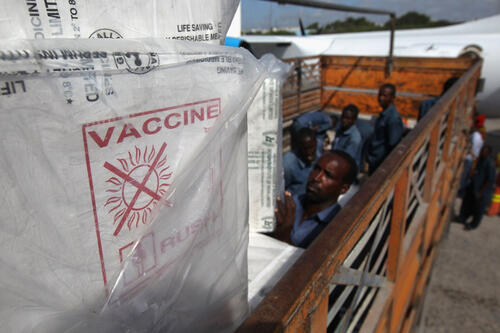
vaccines loaded truck

Instead of the gap between expected spending and need, their framework focuses on the gap between potential spending and the health resources needed to meet global health targets. In the framework, policymakers can choose which gap they want to target, since this decision can involve many factors.

“By focusing on that gap, donors can catalyze sustained domestic spending while also addressing the resource needs critical to reaching international health goals,” they wrote.

They then looked at 10 countries with the most need for additional child health resources. The gap between expected spending and potential spending was highest in Afghanistan, at 79 percent, and lowest in Cameroon, where expected spending exceeded potential spending.

“Fifty years ago, GNI was the best proxy for countries’ ability to finance their own development and health,” the authors wrote.

But today, more empirical data and technology are available, allowing donors to incorporate a broader set of health financing measures into their decision-making process.

“The flexible but targeted nature of our framework is critical in the current era of global health financing,” said Haakenstad, the lead author. “Our framework helps to ensure the poor and disadvantaged, the majority of which now reside in middle-income countries, are reached by development assistance and other public financing. This funding is critical to reducing death and disability and reaching global targets in health.”


The authors’ research was supported by the Welcome Trust (099114/Z/12/Z).

Hero Image
getty child vaccine Oli Scarff/Getty Images
All News button
1
Authors
Beth Duff-Brown
News Type
News
Date
Paragraphs

At least 91 Americans die every day from an opioid overdose. The epidemic has claimed more than 300,000 lives since 2000 and is expected kill another half million over the next decade.

So perhaps it’s time to step up lawsuits against the drug manufacturers that sell the opioids to the tune of $13 billion per year, Stanford Health Policy’s Michelle Mello argues in a commentary in the current issue of The New England Journal of Medicine.

Mello, a professor of law and of health research and policy, and co-author Rebecca L. Haffajee, an assistant professor of health management and policy at University of Michigan School of Public Health, note that although heroin and illicitly manufactured fentanyl account for an increasing proportion of opioid overdoses, the majority of people who are addicted to opioids get hooked on prescribed painkillers.

While clinicians and health-care providers are trying to prescribe fewer opioids, Mello and Haffajee believe litigation is another crucial method to fight the crisis.

“The search for solutions has spread in many directions, and one tentacle is probing the legal accountability of companies that supply opioids to the prescription market,” the authors write.

The final report of President Trump’s Commission on Combating Drug Addiction and the Opioid Crisis details decades of aggressive marketing of oxycodone from 1997-2002 that led to a tenfold rise in prescriptions to treat moderate to severe pain. “To this day, the opioid pharmaceutical industry influences the nation’s response to the crisis,” the report said, noting the industry had sponsored some 20,000 conferences for physicians on managing pain with opioids while claiming their potential for addiction was low.

Mello and Haffajee argue that similar to the early cigarette promotions by Big Tobacco, opioid manufacturers have failed to adequately warn patients about addition risks on drug packaging and in their marketing campaigns.

“Some recent claims allege that opioid manufacturers deliberately withheld information about their products’ dangers, misrepresenting them as safer than alternatives,” they write.

Early attempts to bring class-action suits against opioid manufacturers have encountered procedural barriers. Judges typically find that proposed class members lack sufficiently common claims because of different circumstances surrounding opioid use and clinical conditions.

But the tide may be turning. There has been an uptick in litigation against Big Pharma since Purdue Pharma, the maker of the blockbuster painkiller, OxyContin, agreed in 2007 to pay $600 million to settle charges that it misled federal regulators, doctors, and patients about the drug’s risk of addiction and its potential to be abused.

“As the population harmed by opioids grows and more information about the population is documented, it becomes easier to identify subgroups with similar factual circumstances and legal claims — for example, newborns with neonatal abstinence syndrome,” they said.

Perhaps most promising, the authors write, is the “advent of suits brought against drug makers and distributors by the federal government and dozens of states, counties, cities, and Native American tribes.

“Because the government itself is claiming injury and seeking restitution so that it can repair social systems debilitated by opioid addiction, these suits avoid defenses that blame opioid consumers or prescribers,” they said. “They also garner substantial publicity.”

The government is borrowing from the playbooks used to sue tobacco and firearms companies, relying on four strategies:

  • Focus on the “public scourge” created by the opioid manufacturers due to their oversaturation of the market, arguing that opioids constitutes a public nuisance;
  • Paint the opioid companies’ business practices as deceptive;
  • Call out the manufacturers’ lax monitoring of suspicious opioid orders; and
  • Ask courts to make companies disgorge the “unjust enrichment” they have reaped at the government’s expense through their unfair business practices.

Two large settlements have occurred in state cases that included unjust enrichment claims, the authors note, although the pharmaceutical companies avoided admitting fault. The Commonwealth of Kentucky settled with Purdue Pharma for $24 million in 2015 over allegations that it had profited while Kentucky was left paying associated medical and drug costs of those who became addicted.

Earlier this year, drug wholesaler Cardinal Health Inc. agreed to pay $20 million to settle a lawsuit brought by West Virginia’s attorney general over accusations that it flooded the market with opioids in a state that now has the highest opioid overdose rate in the nation.

Such lawsuits have garnered a lot of media attention and contributed to pressure on the U.S. government to take action against the abusive practices of drug manufacturers and distributors.

“Win or lose, lawsuits that very publicly paint the opioid industry as contributing to the worst drug crisis in American history put wind in the sails of agencies and legislatures seeking stronger oversight,” Mello and Haffajee write. “Together, litigation and its spillover effects hold real hope for arresting the opioid epidemic.”


Listen to a podcast with Haffajee talking about the opioid crisis.


Hero Image
heroin boy
Five-year-old Derrick Slaughter attends a march through the streets of Norwalk, Ohio, against the epidemic of heroin with his grandmother on July 14, 2017. Both of Derrick's parents are heroin addicts and he is now being raised by his grandparents. At least 4,149 Ohioans died from drug overdoses in 2016, a 36 percent leap from just the previous year.
Spencer Platt/Getty Images
All News button
1
Authors
Beth Duff-Brown
News Type
News
Date
Paragraphs

There is plenty of research on how the rapid warming of the planet is going to have growing adverse impacts on global economies, health, food supplies and natural disasters.

A new study now suggests that as temperatures continue to rise — particularly with more and more 90-plus-degree days — more fetuses and infants will experience economic loss by age 30.

“There is a growing body of evidence that finds that shocks to the fetus and young child — whether nutritional, environmental, economic or stress-related — have long-term consequences on health, education and economic outcomes throughout the life cycle,” said Maya Rossin-Slater, an assistant professor of health research and policy at Stanford Medicine and a faculty fellow at the Stanford Institute for Economic Policy Research.

Rossin-Slater published her study Dec. 4 in the Proceedings of the National Academy of Sciences, indicating early-life exposure to extreme temperatures is linked to potential losses in human capital. Her co-authors are Adam Isen, an economist with the U.S. Department of Treasury, and Reed Walker, an assistant professor at University of California, Berkeley.

The researchers used data from the U.S. Census Bureau’s Longitudinal Employer Household Dynamic Files, which contain information on adult labor market outcomes linked to county and exact date of birth. They looked at weather in counties in 24 states on any given day, and then measured how many days with average temperatures above 90 degrees a child born on that day in that county would have experienced during gestation and during the first year of life. They then compared the earnings of individuals who were exposed to different numbers of such hot days, but who were of the same race and gender, and born in the same county and on the same day of the year (but in different years).

Each day a fetus or infant experiences 90-plus-degree temperatures, Rossin-Slater and her co-authors found that he made $30 less a year on average, or $430 over the course of his lifetime. While that may not seem like a huge loss of income, the authors point out that their study is best understood from a population-level perspective rather than from an individual one.

“There is a lot of research already showing that extreme heat has immediate effects on labor market productivity and GDP,” she said. “What we are saying is that there is another wrinkle to this — that there can be consequences many years later, on cohorts who are still in the womb.”

Most Americans today only experience one day a year that is 90 degrees or hotter. But the Climate Impact Lab has indicated that if countries continue to take only moderate action on climate change, by the end of this century there will be about 43 such days a year.

So, if you multiple a $30 annual loss a day by 43 days, you come up with an average $1,290 a year — and compounded in large populations of pregnant women in hot climates.

“Prior research shows that exposure to extreme heat in utero leads to lower birth weight and increases infant mortality,” said Rossin-Slater, who is also a core faculty member at Stanford Health Policy. She said poor fetal and infant health could impact adult earnings in three ways: cognitive impairment, poor health that causes people to miss school or work, and less non-cognitive skill development such as self-control.

“With regard to exposure to heat specifically, fetuses and infants are especially sensitive because their thermoregulatory systems are not fully developed and they have less capacity to self-regulate when their bodies are exposed to extreme temperatures,” Rossin-Slater said.

Hot Zones and Air Conditioners

The obvious questions that arise from such research: What happens to the babies of women who already live in very high temperatures? And why not just ensure that all pregnant women have air conditioners, at least in the developed world where it would be more affordable?

Women in warm zones such as parts of Africa and South Asia, as well as U.S. cities like Phoenix and Washington, D.C., shouldn’t worry too much. The loss of income is relatively little and people living in hot climates may actually adapt over time to exposure to extreme heat.

“Our study is not saying that individual people should be doing something differently to avoid exposure to extreme heat,” Rossin-Slater said. “Instead, we think we are providing additional evidence for the possible population-level consequences of climate change and the projected increase in the number of days with extreme temperatures.”

And what about those air conditioners? The cohorts in the study are actually born in the 1970s, during a period of rapid expansion in air conditioning across American households. The researchers found the earning losses went away in areas where most people got air conditioners installed.

“If we think that there is something biological going on as a result of the fetus being overheated, then it makes sense that AC, which prevents the overheating, can mitigate this negative effect,” Rossin-Slater said.

But it’s important to recognize, she said, that air conditioners come with costs, both financial from the perspective of individuals and households who can and can’t afford such systems, and environmental from the perspective of the country or planet as a whole.

“So this is not a `free’ solution and any cost-benefit calculations related to climate change should take into account this adaption response,” Rossin-Slater said. “But we ought to think about what these results imply at the global level — in many countries that are much hotter than the United States and still don’t have AC. So if we are trying to understand global inequality and the impacts of climate change on developing countries, our results suggest that climate change could play a role in perpetuating global inequality across generations.”


Hero Image
pregnancy Getty Images
All News button
1
Authors
Beth Duff-Brown
News Type
News
Date
Paragraphs


Paul Wise watched as children ran around a playground attached to a health clinic at a displaced persons camp on the outskirts of Mosul — the northern city in Iraq once controlled by the Islamic State but now back in the hands of the Iraqi government.

The children had survived the Battle of Mosul, which had fallen to ISIS in 2014 but was retaken by the government forces and allied militias during a nine-month military campaign that ended in July. Many of the children suffer from physical and mental wounds and Wise wondered how they would recover with so little medical infrastructure.

Wise was part of a small delegation of physician-academics asked to evaluate a World Health Organization-led system to treat civilians injured in the Mosul fighting. Wise and his colleagues recently slipped into Mosul to visit field hospitals, review health care on the ground and determine whether there is a better way to distribute medical aid during armed conflict.

The visit left the Stanford Medicine professor of pediatrics and senior fellow at the Freeman Spogli Institute for International Studies with questions about health care, humanitarian ethics, and conduct of war: Are there better ways to deliver emergency medical care during the height of battle? How do relief workers maintain neutrality when embedded with government security forces? Has the system of financing humanitarian interventions — one that was essentially created during the Cold War — become dangerously outdated?

Answering these questions is the mission of a new health-and-security initiative at Stanford led by Wise, a core faculty member at Stanford Health Policy who has spent 40 years working to improve the health of children impacted by conflict. Much of his work has been in Guatemala through his Children in Crisis project, the first university-based program to address the needs of children in areas of unstable governance and civil war.

“In talking with the groups that are running these humanitarian efforts in Mosul, there was this uneasiness, this kind of disorientation with the way things are now,” said Wise. “It was a kind of recognition that humanitarian norms are changing, the health personnel and facilities are at greater risk; the financial gap between humanitarian need and humanitarian capability is growing; and the old way of financing humanitarian intervention is inadequate, archaic.”


An Interdisciplinary Approach

Wise believes academics are well suited to help resolve these humanitarian conundrums.

“So we are going to move ahead and try to bring all the players together to reconsider this global challenge. Here at Stanford, we have the capacity to draw upon remarkable resources,” he said.

The new biosecurity initiative led by Stanford Medicine physician and FSI senior fellow, David Relman, together with world-renowned political scientists, security specialists, computer scientists and health policy experts will “attempt to craft new strategies for the provision of critical services to populations affected by conflict and political stability.”

The initiative will collaborate with other institutions such as Johns Hopkins, UCSF, Harvard, and the American Academy of Arts and Sciences. It will also seek the engagement of partners committed to providing humanitarian services, including WHO, the U.N. High Commissioner for Refugees, Doctors Without Borders and the International Committee of the Red Cross.

“The voice of communities impacted by war should also be an essential element in this ambitious effort,” Wise said. “To break new ground, we’re going to have to do things differently; the health strategies need to take into consideration fundamental understanding of the political dynamics. But we have a special opportunity here at Stanford because we take an interdisciplinary approach.”

Children of War

Most of the children Wise saw will never be the same, he said, nor the humanitarian workers who risked their lives to treat them, their families, and fighters from all sides of the battle to oust the Islamic extremists from the city on the Tigris River.

“I look at these little kids with horrendous emotional trauma and PTSD, and I think to myself, it’s the collision of all these questions playing out within a 50-square-meter little playground,” he said. “It’s these broader, strategic and ethical questions that are really profound. And as a pediatrician who is dedicating the last phase of my career to these questions of security and the political dimensions — I have to engage on all of these levels. That’s not easy.”

Wise traveled with WHO officials, as well as Paul Spiegel, a physician who leads the Center for Humanitarian Health at Johns Hopkins Bloomberg School of Public Health; Adam Kushner, a trauma surgeon affiliated with Johns Hopkins; and Kent Garber, a surgical resident at UCLA and research associate at Johns Hopkins.


Image
mosul bike


Spiegel also believes academics are uniquely positioned to help assess the current system of responding to medical crises during conflict.

“I believe that we can bring objectivity and rigor to analyzing and evaluating important and innovative responses, such as the trauma response by WHO and others in Mosul,” Spiegel said. “Humanitarian organizations are often busy responding quickly to rapidly changing situations; they don’t always have the luxury of time to do what academic humanitarians can do.”

Making the two-hour drive from Erbil to Mosul in armored, bulletproof SUVs provided by the United Nations, they slipped into field hospitals to meet with Iraqi physicians and medical teams with the humanitarian agencies.

Wise, who was able to take a few photos and video on his smartphone, described the devastation on the ground, noting that not since the siege of Leningrad has a city of this size experienced such street-by-street fighting. In large parts of the city, virtually every building was bombed or bulleted. It will take years to clear the rubble and rebuild.

“It’s just a remarkable story of tragedy and resilience,” he said.

Image

Since the city was not long ago controlled by ISIS, the field hospitals are still surrounded by massive concrete barricades and tactical trucks stationed outside with mounted machine guns.

The team found that at the height of the battle for Mosul, there was tremendous pressure to treat injured civilians and discharge patients very quickly, due to the lack of medical infrastructure and personnel and the continuous wave of new injuries coming in.

“The charge for us was to evaluate the system and how well it worked, what ways could it be improved, how many lives that it saved,” Wise said. “One of the concerns, for example, was that in order to put in medical people that close to the frontline, you have to give them some kind of security. This raised issues among the humanitarians about their need for independence and neutrality, since you’re essentially embedding them with Iraqi security forces.”

Epidemiology and Ethics


“We are looking at the technical issues and the epidemiologic issues, but also dealing with the ethical issues and their implications,” he said.

They intend to write an internal report and then publish their findings in a major medical journal, to get the word out about the issue and gain support for ongoing collaborative work. They’re looking to partners like the American Academy of Arts and Sciences, which recently devoted an entire issue of its journal, Daedalus, to the factors and influences of contemporary civil war. One of the essays in that issue by Wise and his Stanford colleague, Dr. Michele Barry, who directs the Center for Innovation in Global Health, talks about the threat of a global pandemic as a potential byproduct of the 30 ongoing civil wars around the world.

“We’re trying to get the report completed quickly because the model of trauma care for civilians in Mosul is a new model and could be implemented in other combat areas, like the fighting in Syria and other places in Iraq,” Wise said.

Wise worries some see Stanford University as an insulated Silicon Valley institution in a beautiful setting and not always engaged in the real world.

“Well, this is about as engaged in the real world as you can get — this is Stanford moving and doing things out there, not just sitting around in seminar rooms. Sometimes you need to get close to the front lines to save lives,” he said.

When asked what surprised him during this trip to Mosul, Wise smiled.

“I’m sort of old and I’ve seen a lot of the world and not a lot surprises me anymore,” he said. “But it was a reminder of how desperate are the lives of millions of people — that we could do so much more. It’s a reminder of just how fragile physical security really is in this world."

Image
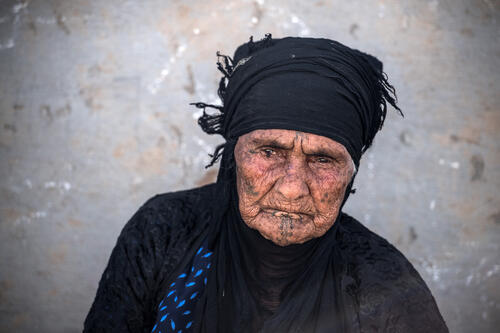
mosul old woman


Hero Image
mosul health
ERBIL, IRAQ — A Red Cross nurse from Sweden applies a dressing to a 3-year-old boy who was injured after an improvised explosive device (IED) detonated near him in Mosul on April 17, 2017.
Carl Court/Getty Images
All News button
1
Authors
Beth Duff-Brown
News Type
News
Date
Paragraphs

There are 30 civil wars underway around the globe, where civilians are dealing with death and destruction as well as public health emergencies exacerbated by the deadly march of conflict.

Yemen is battling an unprecedented cholera outbreak which has killed more than 2,150 people this year, with another 700,000 suspected cases of the water-borne disease. The government and a rival faction have been fighting for control of the country, taking 10,000 lives since 2015.

Some 17 children in Syria have been paralyzed from a confirmed polio outbreak in northeastern districts, with 48 cases reported in a country that had not had a case of polio since 1999. The cases are concentrated in areas controlled by opponents of President Bashar al-Assad.

And in the Democratic Republic of Congo — where the civil war officially ended years ago, but thousands of people still suffer from recurrent uprisings and scant infrastructure — a yellow fever outbreak was met last year with a lack of vaccines. The WHO was forced to give inoculations containing a fifth of the normal dose, providing protection for only one year.

And yet today, of the nearly 200 countries on this planet, only six nations — three rich ones and three poor ones — have taken steps to evaluate their ability to withstand a global pandemic.

“The bottom line is that despite the profound global threat of pandemics, there remains no global health mechanism to force parties to act in accordance with global health interests,” write FSI’s Paul Wise and Michele Barry in the Fall 2017 issue of Daedalus.

“There also persists inherent disincentives for countries to report an infectious outbreak early in its course,” the authors write. “The economic impact of such a report can be profound, particularly for countries heavily dependent upon tourism or international trade.”

China, for example, hesitated to report the SARS outbreak in 2002 for fear of instability during political transition and embarrassment over early mishandling of the outbreak. Reporting cases of the 2013 Ebola outbreak in West Africa were slow and the virus killed some 11,300 people in Sierra Leone, Guinea and Liberia before the epidemic was declared over in January 2016.

Image
cdc ebola sign getty images

“Tragic delays in raising the alarm about the Ebola outbreak in West Africa were laid at the doorstep of the affected national authorities and the regional WHO committees, which were highly concerned about the economic and social implications of reporting an outbreak,” Wise and Barry write in the journal published by the American Academy of Arts and Sciences.

The Daedalus issue, “Civil War & Global Disorder: Threats and Opportunity,” explores the

factors and influences of contemporary civil wars. The 12 essays look at the connection of intrastate strife and transnational terrorism, the limited ambitions of intervening powers, and the many direct and indirect consequences associated with weak states and civil wars.

“Wise and Barry, both medical doctors with extensive field experience in violence-prone developing countries, analyze the relationship between epidemics and intrastate warfare,” write FSI’s Karl Eikenberry and Stephen D. Krasner in their introduction to the issue that includes eight essays by Stanford University faculty.

“Their discussion is premised on the recognition that infectious pandemics can threaten the international order, and that state collapse and civil wars may elevate the risk that pandemics will break out,” they wrote.

Eikenberry and Krasner are hosting a panel discussion about the new volume of Daedalus with FSI senior scholars, including Wise and Barry, on Oct. 23. Members of the Stanford community and the public are invited and can RSVP here. Podcasts with the authors will also be available at FSI’s World Class site over the next few weeks.

Prevention, Detection and Response

Barry and Wise believe there is significant technical capacity to ensure that local infectious outbreaks are not transformed into global pandemics. But those outbreaks require some level of organized and effective governance — and political will.

Prevention, detection, and response are the keys to controlling the risk of a pandemic. Yet it’s almost impossible for these to coincide in areas of conflict.

Prevention includes solid immunization programs and efforts to reduce the risk of animal-to-human spillover associated with exposure to rodents, monkeys and bats.

Then, early detection of an infectious outbreak with pandemic potential is crucial, through a methodical surveillance structure to collect and test samples drawn from domestic and wild animals, a capacity sorely lacking in areas of conflict and weak governance.

Image
paul

“Civil wars commonly disrupt traditional means of communication,” they write. “The Ebola virus outbreak in West Africa exposed glaring weaknesses in the global strategy to control pandemic outbreaks in areas with minimal public health capacity.”

New strategies that utilize satellite or other technology to link remote or insecure areas to surveillance are urgently needed, they said.

Then there is the response in countries where civil war not only makes it difficult, but politically treacherous.

In Syria, there had not been a case of polio reported since 1999. In 2013, health workers began to see children with the kind of paralysis that is associated with a highly contagious polio outbreak.

“However, the government and regional WHO office have been intensely criticized for their slow and uneven response,” the authors note, particularly the government’s resistance to mobilizing immunization efforts in areas sympathetic to opposition forces.

Pressure from international health organizations and neighbors in the region ultimately led to the reinstatement of vaccination campaigns throughout Syria.   

“The Syrian polio outbreak is an important reminder that health interventions, though technical in nature, can be transformed into political currency when certain conditions are met,” they write. “At the most basic level, the destruction or withholding of essential health capabilities can be used to coerce adversaries into political compliance, if not complete submission.”

Image
syria polio


Strengthening Global Oversight

The only comprehensive global framework for pandemic detection and control, the authors write, is the International Health Regulations treaty, which was signed in 2005 by 196 member-nations of the World Health Organization to work together for global health security.

The IHR imposed a deadline of 2012 for all states to have in place the necessary capacities to detect, report and respond to local infectious outbreaks. But only a few parties have reported meeting these requirements, and one-third has not even begun the process. There have also been efforts to enhance state reporting of health systems capacities through voluntary assessments of countries working through the Global Health Security Agenda consortium.

But both frameworks, Barry said in an interview, need financial and political support.

Image
michele

“I see a stronger IHR with more than words — but actual money behind it in order for it to become stronger,” said Barry, noting the Global Health Security Agenda ends in 2018 and she has been asked to sit on a NAAS task force to form its next iteration. “I’m hoping we can move the needle to put money into bio-surveillance and health security, especially in conflict areas.”

Why should Americans care?

“Pathogens know no borders,” Barry said. “And with climate change, we have tremendous movement of vectors; with globalization and billions of people routinely in flight, we have tremendous health threats traveling first class and coach.”

Twenty Countries at High Risk

Meanwhile, some 20 countries are at high risk for pandemic emergence. The two Stanford professors are urgently calling for “new approaches that better integrate the technical and political challenges inherent in preventing pandemics in areas of civil war.”

Wise and Barry note that human factors, such as the expansion of populations into previously forested areas, domesticated animal production practices, food shortages, and alterations in water usage and flows, have been the primary drivers of altered ecological relationships.

So globalization with climate change brews the perfect storm.

“There is substantial evidence that climate change is reshaping ecological interactions and vector prevalence adjacent to human populations,” they said. “Enhanced trade and air transportation have increased the risk that an outbreak will spread widely. While infectious outbreaks can be due to all forms of infectious agents, including bacteria, parasites, and fungi — viruses are of the greatest pandemic concern.”

Science suggests the greatest danger of pandemic lies in tropical and subtropical regions where human and animals are most likely to interact. Most of the estimated 400 emerging infectious diseases that have been identified since 1940 have been zoonoses, or infections that have been transmitted from animals to humans. The human immunodeficiency virus (HIV), for example, is believed to have emerged from a simian host in Central Africa.


Recent analyses have suggested that the “hotspots” for emerging infectious diseases overlap substantially with areas plagued by civil conflict and political instability. 

The U.S. Agency for International Development and the Centers for Disease Control and Prevention have been working on the Emerging Pandemic Threats Program to improve local pandemic detection and response capacities by directing resources and training to countries thought to be at high risk for pandemic. However, it is not clear that this and related programs are addressing the political dynamics at the local level that will determine the essential cooperation of local communities with any imposed global health security response.

“The unpredictability of a serious infectious outbreak, the speed with which it can disseminate, and the fears of domestic political audience can together create a powerful destabilizing force,” Wise and Barry write in their conclusion. “Current discussions regarding global health governance reform have largely been preoccupied by the performance and intricate bureaucratic interaction of global health agencies. However, what may prove far more critical may be the ability of global health governance structures to recognize and engage the complex, political realities on the ground in areas plagued by civil war.”


Hero Image
ebola toddler getty
A Liberian Red Cross burial team in Ebola protectant clothing collects the body of a toddler from a home in the West Point township on January 28, 2015, in Monrovia, Liberia.
John Moore/Getty Images
All News button
1
Authors
Beth Duff-Brown
News Type
News
Date
Paragraphs

Stanford Health Policy’s newest faculty member, Joshua Salomon, believes that one urgent need in global health research is to improve forecasts of the patterns and trends that are the major causes of death and disease.

Salomon, who is leaving leaving his position as professor of global health at the Harvard T.H. Chan School of Public Health to join Stanford on Aug. 1, works on modeling of infectious and chronic diseases and their associated intervention strategies, as well as methods for economic evaluation of public health programs and ways to measure the global burden of disease.

And he looks at the potential impact and cost effectiveness of new health technologies.

“Projections of future trends in health are crucial to formulating policy,” said Salomon, who has a PhD from Harvard. “To think strategically about the technologies and policies that would make the biggest impact on health over the next 20 to 50 years, we really need to start by understanding the range of likely trends in major health challenges over the coming decades.”

Stanford, he said, offers him a “rich collaborative environment” to better learn from advances in forecasting across a range of other disciplines, such as economics, political science, and environmental science.

“With a better picture of what the world is likely to look like over the next 50 years — and what are going to be the most pressing health problems — we can invest wisely and put ourselves in a position to respond more effectively.”

Salomon is also the director of the Prevention Policy Modeling Lab, which is funded by a five-year award from the Centers for Disease Control and Prevention. The consortium represents the collaborative research of experts from Massachusetts General Hospital, Boston Medical Center, Dana Farber Cancer Institute, Yale School of Public Health, Brown University School of Public Health, and the Massachusetts Department of Public Health and.

He will continue directing the lab from Stanford and intends to bring in new research threads from his colleagues here on the Farm. The lab works on a wide range of projects dealing with policy analysis for hepatitis, sexually transmitted infections and diseases such as HIV, and tuberculosis.

“It’s a rewarding grant for me to work on because, unlike a lot of modeling projects, the work that we do really starts from urgent public health questions that policymakers have,” he said. “All of the questions that we are working on are questions that originated directly from discussions with CDC and other public health partners.”

With Salomon’s move to Stanford, the university gains a dynamic duo.

Grace Lee joins Stanford as the Associate Chief Medical Officer at Lucile Packard Children's Hospital in the fall, 2017.

His wife, Grace Lee, MD, MPH, joins in the fall as the Associate Chief Medical Officer at Lucile Packard Children’s Hospital. As a professor of population medicine at Harvard Pilgrim Health Care Institute & Harvard Medical School, Lee has led research in vaccine safety in the FDA-funded Post-licensure Rapid Immunization Safety Monitoring (PRISM) program and the CDC-funded Vaccine Safety Datalink, which monitors the safety of vaccines and studies rare and adverse reactions from immunizations.

She has also examined the impact of financial penalties on rates of healthcare-associated infections, as the principal investigator of an AHRQ-funded study, as well as developed novel surveillance definitions for ventilator-related events in neonates and children.

While at Stanford, Lee said, she intends “to find opportunities to enhance the learning health system approach to improve patient outcomes and population health.”

Salomon has spent his entire career as a collaborator on the Global Burden of Disease project, the world’s most comprehensive epidemiological study commissioned by the World Bank in 1990, which tracks mortality and morbidity from major diseases, injuries and risks factors.

“The study has made a major contribution to global public health because before this study we just didn’t have a comprehensive, systematic understanding of the things that cause death and disability in low- and middle-income countries. But now we do,” he said. “It’s hugely ambitious and very sweeping in scope — and a lot of my work is around providing the evidence we need to inform policy.”

Much of Salomon’s work is global in nature. He’s most recently focused on older adults in one rural South African community, which has a high prevalence of HIV and one of the world’s highest levels of hypertension. His research there aims to inform urgent prevention initiatives tailored to older adults where HIV and cardiovascular risks are moderate or high, as in similar communities in sub-Saharan Africa.

“People don’t expect a high level of ongoing HIV transmission in older adults,” he said. “The double burden that we find, with a very high level of HIV, as well as the high prevalence of diabetes and heart disease, creates enormous strains on the health-care system.”

Hero Image
40 joshua salomon
Stanford Health Policy's Joshua Salomon believes forecasting new patterns and trends in global health is an urgent need.
Harvard T.H. Chan School of Public Health
All News button
1
Authors
Beth Duff-Brown
News Type
News
Date
Paragraphs

Fewer girls in low-and-middle-income countries finish secondary school, resulting in poorer health and economic outcomes for their own children — and perpetuating the vicious cycle of gender inequality worldwide.

According to The World Bank, in Sub-Saharan and South Asia, boys are 1.5 times more likely to complete secondary education than girls. Many are forced to stay at home and help their mothers with housework and childcare, particularly if a younger sibling is sick.

Yet the potential gains from increased participation of women in the global workforce over the next decade are estimated at $12 trillion. Studies show that women’s equal participation in the workforce could boost some countries’ GDP by up to 20 percent.

Stanford Health Policy’s Marcella Alsan, a physician and economist, argues in a new study in the journal Pediatrics, that identifying contributors to education disparities and making investments in early childhood health could significantly advance global health and development.

“There are so many advantages to girls staying in school,” Alsan, an assistant professor of medicine at Stanford Medicine, said in an interview. “For one thing, the longer they’re in school, the less likely they are to become young mothers or contract HIV. And the more educated the mother, their own children have better chances of survival.”

So what are some of the biggest barriers to girls completing secondary school in less developed countries?

Alsan and her co-authors found the gender gap is compounded by illness among young children in the household since adolescent girls are often tasked with childcare and domestic chores. The problem is exacerbated if the mother works outside the household.

Follow the Numbers

Along with SHP research data analyst Anlu Xing, Alsan and her team used Demographic and Health Surveys on 41,821 households in 38 low-and-middle-income countries. The surveys asked about illnesses in children under 5 in the last two weeks, and then asked the adolescent boys and girls if they had been in school in the same period.

As expected, more girls remained at home than boys. When no young children in the household are ill, adolescent girls are on average 6 percent less likely to attend school than adolescent boys within the same household.

But the gap increases to 7.8 percent if the household reports one illness episode among an under-5 child, and up to 8.5 percent if there are two or more episodes of illness.

Image
mongolian children study

In other words, the authors write, “The gender gap in adolescent school attendance increased by around 50 percent when young children in the household became ill.”

The education gap between adolescent boys and girls jumps to 10.06 percent if the younger child has two or more episodes of illness — and the mother is working outside the home or in the fields.

“Policies that strengthen family and community supports for challenges such as sick child care will prove essential,” the authors write, “particularly as women move increasingly into the workforce outside the home.”

Alsan’s co-authors are Eran Bendavid, assistant professor of medicine and core faculty member at Stanford Health Policy; Gary Darmstadt, a professor of pediatrics and associate dean for maternal and child health at Stanford Medicine; and Paul Wise, another core faculty member at SHP and professor of pediatrics.

Vaccines Also Key

Alsan and her team also examined data on the gender gap in adolescent education in association with national vaccine rates, using the same country-year surveys.

They found that in countries where about 70 percent of all the boys and girls had the same series of eight vaccines — including polio, diphtheria, tetanus and measles — the gender gap in education approaches zero.

“We hypothesize that countries with high rates of childhood vaccination will experience lower rates of young child illness, thereby decreasing the need for adolescent girls’ to devote time to caring for sick children,” the authors write.

Given the long-term benefits of secondary school for women’s health and economic outcomes, the authors believe their study underscores the societal benefits of keeping girls in school. A combination of vaccines and early childhood interventions to keep toddlers healthy and their older sisters in school are paramount.

“The international community agrees that educating girls through secondary school has plenty of societal benefits — we show that health interventions targeting young kids are an important way to do just that,” says Alsan. “Not only the targeted little kids benefit but also their older sisters — a double dividend.”

Hero Image
african girls school getty
Secondary school girls responding to a speech at Jamhuri High School in Nairobi, Kenya.
Paula Bronstein/Getty Images
All News button
1
Subscribe to Global Health