Children's health
Authors
Beth Duff-Brown
News Type
News
Date
Paragraphs

A cutting-edge treatment for blood cancer in children with promising short-term remission rates has nevertheless come under intense scrutiny due to its unprecedented cost.

Acute lymphoblastic leukemia (ALL) is the most commonly diagnosed pediatric cancer. Though treatment advances have driven five-year survival rates above 90 percent, relapse is common and ALL remains a leading cause of death from childhood cancer. Those surviving relapse typically require hematopoietic stem cell transplant (HSCT) to remain in remission.

The Food and Drug Administration last year approved tisagenlecleucel as the first anti-CD19 CAR T-cell therapy for relapsed or refractory pediatric ALL. While tisagenlecleucel-induced remission rates are encouraging compared with those of established therapies — more than 80 percent compared with less than 50 percent — a one-time infusion costs $475,000.

That makes it one of  the most expensive oncologic therapies out there, even though no studies exist to show how the therapy maintains remission in the long term.

So Stanford Health Policy’s John K. LinJeremy Goldhaber-Fiebert and Douglas K. Owens, in collaboration with Kara Davis, an assistant professor of pediatrics at Stanford’s Lucile Packard Children’s Hospital, set out to determine whether the treatment is cost-effective. 

Their study was recently published in the Journal of Clinical Oncology.

“CAR-T cells are an exciting new therapy to help us cure more patients with ALL,” said Davis. “They use a patient’s own immune system to precisely target their leukemia and remission rates are impressive for patients with relapsed disease.”

The researchers note, however, it remains unknown whether tisagenlecleucel is sufficient to cure relapsed or refractory disease without a transplant.

Not only is it a very expensive treatment, it also has expensive and serious side effects, such as cytokine release syndrome, which can cause symptoms ranging from fevers and muscle aches to lethal drops in blood pressure and difficulty breathing, requiring ICU-level care.

“Given [its] high cost and broad applicability in other malignancies, a pressing question for policymakers, payers, and clinicians is whether the therapy’s cost represents reasonable value,” the authors wrote.

In order to evaluate the economic value of tisagenlecleucel, the authors created a computer simulation that modeled children with relapsed or refractory ALL. Since the durability of the therapy’s effects are unknown, they evaluated the therapy at different levels of long-term effectiveness.

Through their analyses, the authors found that at the simulation’s most optimistic projections, patients receiving tisagenlecleucel would, on average, live over a decade longer than those receiving alternative therapies. At these projections, the therapy would be cost-effective. However, at more modest long-term outcomes, its clinical and economic benefits declined.

Image

“The durability of CAR-T cell therapy is the main question. For many children with relapsed or refractory ALL, their disease is fatal — if the therapy results in sustained remissions, it would represent an important advance,” said lead author Lin, who is a VA Health Services Research and Development Fellow at Stanford Health Policy.

In the end, the researchers concluded that at tisagenlecleucel’s current price, its economic value is “uncertain,” as the true cost-effectiveness depends on its long-term performance, which has yet to be determined. They noted that substantial price reductions would improve its cost-effectiveness even if its long-term performance is relatively modest.

“A commonly asked question for many expensive, novel therapies is why can’t prices be lowered at least until we know how well they work,” said Goldhaber-Fiebert. 

The “Catch-22” here is that long-term effectiveness data are needed to justify a drug’s price, but current uncertainty about its effectiveness, along with its high price, means developing the data to justify its price occurs much more slowly.

“CAR-T is an individually tailored treatment that has thus far been produced for a relatively small number of patients,” Goldhaber-Fiebert said. “Its current production costs may well be very high, and certainly the companies that have spent heavily on its research and development are interested in achieving returns on their investments.”

When the effectiveness of a therapy is uncertain, some pharmaceutical companies and health policy experts have proposed something called outcomes-based payment, which is essentially a “money-back guarantee” if the therapy doesn’t work as intended.

Novartis, which developed tisagenlecleucel, has a money-back guarantee; if the patient does not achieve initial remission within the first month, they are not responsible for the payment of the therapy.

“However, we find that because most children have an initial remission, this does not materially improve cost-effectiveness,” Lin said.

He suggested that if the money-back guarantee were extended to see whether the patient relapses within a year, such a guarantee would improve the treatment’s cost-effectiveness.

The other co-authors of the study are James I. Barnes, Alex Q.L. Robinson, Benjamin J. Lerman, Brian C. Boursiquot and Yuan Jin Tan.

Hero Image
gettyimages blocks Getty Images
All News button
1
Authors
Beth Duff-Brown
News Type
News
Date
Paragraphs

More children die from the indirect impact of armed conflict in Africa than those killed in the crossfire and on the battlefields, according to a new study by Stanford researchers. 

The study is the first comprehensive analysis of the large and lingering effects of armed conflicts — civil wars, rebellions and interstate conflicts — on the health of noncombatants.

The numbers are sobering: 3.1 to 3.5 million infants born within 30 miles of armed conflict died from indirect consequences of battle zones between 1995 and 2005. That number jumps to 5 million deaths of children under 5 in those same conflict zones.

“The indirect effects on children are so much greater than the direct deaths from conflict,” said Stanford Health Policy's Eran Bendavid, senior author of the study published today in The Lancet.

The authors also found evidence of increased mortality risk from armed conflict as far as 60 miles away and for eight years after conflicts. Being born in the same year as a nearby armed conflict is riskiest for young infants, the authors found, with the lingering effects raising the risk of death for infants by over 30 percent.

On the entire continent, the authors wrote, the number of infant deaths related to conflict from 1995 to 2015 were more than three times the number of direct deaths from armed conflict. Further, they demonstrated a strong and stable increase of 7.7 percent in the risk of dying before age 1 among babies born within 30 miles of an armed conflict.

The authors recognize it is not surprising that African children are vulnerable to nearby armed conflict. But they show that this burden is substantially higher than previously indicated. 

“We wanted to understands the effects of war and conflict, and discovered that this was surprisingly poorly understood,” said Bendavid, an associate professor of medicine at Stanford Medicine.  “The most authoritative source, the Global Burden of Disease, only counts the direct deaths from conflict, and those estimates suggest that conflicts are a minuscule cause of death.”

Paul Wise, a professor of pediatrics at Stanford Medicine and a senior fellow at the Freeman Spogli Institute for International Studies, has long argued that lack of health care, vaccines, food, water and shelter kills more civilians than combatants from bombs and bullets. 

This study has now put data behind the theory when it comes to children.

“We hope to redefine what conflict means for civilian populations by showing how enduring and how far-reaching the destructive effects of conflict have on child health,” said Bendavid, an infectious disease physician whose co-authors include Marshall Burke, PhD, an assistant professor of earth systems science and fellow at the Center on Food Security and the Environment.

“Lack of access to key health services or to adequate nutrition are the standard explanations for stubbornly high infant mortality rates in parts of Africa,” said Burke. “But our data suggest that conflict can itself be a key driver of these outcomes, affecting health services and nutritional outcomes hundreds of kilometers away and for nearly a decade after the conflict event”. 

The results suggest efforts to reduce conflict could lead to large health benefits for children.

The Data

The authors matched data on 15,441 armed-conflict events with data on 1.99 million births and subsequent child survival across 35 African countries. Their primary conflict data came from the Uppsala Conflict Data Program Georeferenced Events Dataset, which includes detailed information about the time, location, type and intensity of conflict events from 1946 to 2016. 

The researchers also used all available data from the Demographic and Health Surveys conducted in 35 African countries from 1995 to 2015 as the primary data sources on child mortality in their analysis.

The data, they said, shows that the indirect toll of armed conflict among children is three-to-five times greater than the estimated number of direct casualties in conflict. The indirect toll is likely even higher when considering the effects on women and other vulnerable populations.

Zachary Wagner, a health economist at RAND Corporation and first author of the study, said he knows few are surprised that conflict is bad for child health.

“However, this work shows that the relationship between conflict and child mortality is stronger than previously thought and children in conflict zones remain at risk for many years after the conflict ends.” 

He notes that nearly 7 percent of child deaths in Africa are related to conflict and reiterated the grim fact that child deaths greatly outnumber direct combatant deaths.

“We hope our findings lead to enhanced efforts to reach children in conflict zones with humanitarian interventions,” Wagner said. “But we need more research that studies the reasons for why children in conflict zones have worse outcomes in order to effectively intervene.” 

Another author, Sam Heft-Neal, PhD, is a research fellow at the Center for Food Security and the Environment and in the Department of Earth Systems Science. He, Burke and Bendavid have been working together to identify the impacts of extreme climate events on infant mortality in Africa.

Hero Image
gettyimages sick baby
KYANGWALI, UGANDA - APRIL 06: A baby girl from Uganda suffering with cholera lies in a ward in the Kasonga Cholera Treatment Unit in the Kyangwali Refugee Settlement on April 6, 2018 in Kyangwali, Uganda. According to the UNHCR almost 70,000 people have arrived in Uganda from the Democratic Republic of Congo since the beginning of 2018 as they escape violence in the Ituri province. (Photo by Jack Taylor/Getty Images)
Getty Images
All News button
1
Authors
Beth Duff-Brown
News Type
News
Date
Paragraphs

Malaria claims nearly half-a-million lives worldwide each year — and yet we still know so little about the immunology of the disease that has plagued humanity for centuries.

There were 216 million cases in 2016, according to the World Health Organization. Sub-Saharan Africa carries 80 percent of the global burden of the mosquito-borne infectious disease which devastates families, disrupts education, and promotes the vicious cycle of poverty.

It is particularly brutal to pregnant women, who are three times more likely to suffer from a severe form of the disease, leading to lower birthweight among their newborns and higher rates of miscarriage, premature and stillborn deliveries.

“Pregnant women and their unborn children are more susceptible to the adverse consequences of malaria, so we are working to investigate new strategies and even lay the foundation for a vaccine to prevent malaria in pregnancy,” said Prasanna Jagannathan, MD, an assistant professor of medicine who is this year’s recipient of the Rosenkranz Prize.

Jagannathan, an infectious disease physician who is also a member of Stanford’s Child Health Research Institute, said the $100,000 stipend that comes with the prize will allow his lab members to ramp up their research in Uganda. A member of the nonprofit Infectious Disease Research Collaboration in Kampala, his team is particularly interested in how strategies that prevent malaria might actually alter the development of natural immunity to malaria.

“With support from the Rosenkranz Prize, we hope to identify maternal immune characteristics and immunologic targets that are associated with protection of malaria in pregnancy and infancy,” Jagannathan said.

The Dr. George Rosenkranz Prize for Health Care Research in Developing Countries is awarded each year by the Freeman Spogli Institute for International Studies and Stanford Health Policy to a young Stanford researcher who is trying to improve health care in underserved countries. It was established in 2009 by the family or Dr. George Rosenkranz, a chemist who first synthesized cortisone in 1951, and later progesterone, the active ingredient in oral birth control pills.

“My father has held a lifelong commitment to scientific research as a way to improve the lives and well-being of communities around the world,” said Ricardo T. Rosenkranz, MD. “In particular, he has always sought to improve the health of at-risk populations. Dr. Jagannathan’s work offers the very sort of innovative ingenuity that characterized my father’s early research, as well as his vision towards the future.”

Jagannathan and his collaborators at UCSF and in Uganda are currently conducting a randomized control trial of 782 Ugandan women who are receiving intermittent preventive treatment with a fixed dose of dihydroartemisinin-piperaquine(or IPTp-DP), a medication that has dramatically reduced the risk of maternal parasitemia, anemia, and placental malaria. Their preliminary data suggests that among 684 infants born to these women, maternal receipt of IPTp-DP may lead to a reduced incidence of malaria in the first year of life.

Image

“Having the discretionary support of the Rosenkranz Prize will allow us to generate some preliminary ideas from this trial that could lead to larger studies, to push this agenda further along,” Jagannathan said.

That agenda is to create a vaccine that targets pregnant women to prevent malaria both during pregnancy — but also potentially preventing malaria in infants, giving them a better start in life.

“We’re not the first ones to think of this, but we have the opportunity to test these hypotheses in incredibly unique settings, with really well-studied cohorts that have real-world implications in terms of what we find,” Jagannathan said. “I’m hopeful that the data that’s generated over the new few years will allow us to keep moving forward.”

Jagannathan has been traveling to Uganda for a decade to study malaria. He’s seen firsthand the relentless, gnawing impact the disease has on daily life.

“Before I went to Uganda I really didn’t understand the burden that malaria causes in communities — and it’s just incredible,” he said. His first study was on children aged 5 and under who had on average six episodes of malaria a year.

“They just get it over and over again, and the toll on society is enormous,” he said. The clinics are overwhelmed and a parent or sibling must miss work or school to stay home with that child.

Yet, in highly endemic settings, children eventually develop an immunity that protects against the adverse outcomes from malaria. If he and his colleagues can understand how pregnant women and children develop this clinical immunity to malaria, it could lead to better treatments and preventative strategies.

“If we understand the mechanisms that underlie naturally acquired immunity, that would offer some clues as to how we can develop a vaccine that actually allows either that immunity to occur more quickly or prevents us from developing immunity that allows for the parasite to persist without symptoms,” he said.

There is currently a malaria vaccine undergoing testing in Africa. The vaccine, known as RTS,S, was developed by GlaxoSmithKline and the PATH Malaria Vaccine Initiative, with support from the Bill and Melinda Gates Foundation. Decades in the making, four doses of the vaccine are required to reduce malaria infection in humans.

“It’s a remarkable vaccine in that it’s effective in the beginning, but the problem is that the efficacy wanes very rapidly,” Jagannathan said, noting that some studies show that beyond three years, the effectiveness drops to 15-20 percent.

“That’s the big issue and why people are really interested in trying to find new strategies and new approaches for a next-generation malarial vaccine,” he said. “That’s the overarching aspect of what motivates my work.”

Hero Image
Prasanna Jagannathan Rosenkranz Beth Duff-Brown
All News button
1
Subtitle

Prasanna Jagannathan and his lab members intend to ramp up their research in Uganda. A member of the nonprofit Infectious Disease Research Collaboration in Kampala, his team is particularly interested in how strategies that prevent malaria might actually alter the development of natural immunity to malaria.

Authors
Beth Duff-Brown
News Type
News
Date
Paragraphs

When a close relative dies, the stress can be overwhelming. But for many adults and children, mourning and grief often give way to healing.

A pair of Stanford scholars now focuses on the impact that loss has on often-overlooked family members: babies. A new publication by Petra Persson and Maya Rossin-Slater indicates that losing a loved one during pregnancy may actually impact the mental health of the child as he or she grows into adulthood.

“We find that prenatal exposure to the death of a maternal relative increases take-up of ADHD medications during childhood and anti-anxiety and depression medications in adulthood,” the researchers wrote in the April edition of the American Economic Review.

Petra Persson

Both are faculty fellows at the Stanford Institute for Economic Policy and Research (SIEPR); Rossin-Slater is an assistant professor of health research and policy with Stanford Medicine and Persson is an assistant professor of economics in the Department of Economics.

“Of course, you cannot prevent family members from dying, and we certainly do not want our findings to constitute yet another source of stress for expecting mothers, who already face rather intense pressure to eat the right foods, avoid activities deemed harmful, and experience an avalanche of health advice,” Persson said. “But our findings potentially point to the importance of generally reducing stress during pregnancy, for example through prenatal paid maternity leave and programs that provide resources and social support to poor, pregnant women.”

Their research focused specifically on singleton children in Sweden born between 1973 and 2011 whose mother lost a close relative during her pregnancy. They used population registers to construct family trees that span four generations, from the children to their maternal great-grandparents. Their sample included all children whose mother lost a close relative — a sibling, parent, maternal grandparent, the child’s father or her own older child — in the nine months after the child’s date of conception or the year after the child’s birth. The study did not account for the quality of those relationships.

Their analysis compared the outcomes of children whose mothers experienced a relative’s death while they were pregnant with those of children whose maternal relatives died in the year after birth. They were thus able to isolate the impacts of fetal exposure to maternal stress from bereavement from all other consequences associated with a family member’s passing, such as changes to family resources or household composition, which affect all children in their sample.

Additionally, by considering the deaths of different relatives, their approach presents a new measure of intensity of stress exposure: the closeness between the mother and the relative who passed in the family tree.

The researchers merged the Swedish data with information about the children’s health throughout childhood and into adulthood, using birth and medical records. They were aided by Sweden’s novel prescription drug registry, which contains all prescription drug purchases and the exact substances and doses prescribed in the country.

“Our research suggests that policies that can reduce stress during pregnancy can have substantial benefits for the next generation,” Rossin-Slater said in an interview. “Moreover, since poor families are more likely to experience stress than more advantaged ones, our results imply that stress-reducing policies that target low-income pregnant women could play a role in mitigating the persistence of socio-economic inequality across generations.”

Persson and Rossin-Slater said they were initially inspired by two recent economic studies using data from Uganda and Iraq, which found that fetal exposure to malnutrition has adverse consequences for adult mental illness.

“Our study offers complementary evidence linking early-life circumstance to adult mental health, but breaks new ground by focusing on stress,” the authors wrote, “which may be more pertinent than malnutrition in modern developed countries such as the United States and Sweden, and by tracing health outcomes throughout the time period between the fetal shock and adulthood.”

Mental illness results in great financial and social costs. In 2008, the market for prescription drugs treating depression totaled $9.6 billion in the United States alone, a sales volume exceeded only by cholesterol and pain medications.

In 2013, one in seven school-age boys were treated with prescription drugs for Attention Deficit Hyperactivity Disorder, fueling a $9 billion market, five times larger than the $1.7 billion market just a decade earlier. The authors note that estimates also suggest that mental illness accounts for more than one-half of the rise in disability costs among men in the last two decades.

Moreover, in Sweden — the setting for their paper – mental illness accounts for a larger share of health expenditures on prescription drugs than any other therapeutic class.

The scholars said that their study contributes to the research in this area by documenting a causal link between fetal stress exposure and mental health later in life. Moreover, by following the same children from birth to adulthood, they were able to observe the onset of adverse effects of exposure to maternal bereavement in utero.

“In sum, our results show that the death of a relative up to three generations apart during pregnancy has far-reaching consequences for mental health during childhood and adulthood,” Persson and Rossin-Slater said.

Their findings suggest large welfare gains of preventing fetal exposure to severe stress: For example, based on the 2008 figure for the U.S. market, the 8 percent decrease in the consumption of prescription drugs treating depression alone can be valued at around $800 million annually.

They conducted a back-of-the-envelope calculation to understand how exposure to economically induced stress during pregnancy might affect the mental well-being of the next generation by relying on past research estimating cortisol responses to grief and to economic shocks like unemployment and poverty.

“Our calculation suggests that in-utero exposure to stress from unemployment may lead to a 17.3 percent increase in the likelihood of ever purchasing a drug to treat ADHD in middle childhood,” they concluded, “and a 9 percent and 5.5 percent increases in the likelihoods of ever purchasing drugs to treat anxiety and depression in adulthood, respectively.”

The newly published findings can inform one way by which policymakers and the medical community can tackle the prevalence and rising costs of mental health issues: by considering ways to make pregnancy — an inherently stressful time — a little easier to manage.


Hero Image
pregnancy Getty Images
All News button
1
Authors
Beth Duff-Brown
News Type
News
Date
Paragraphs

Maya Rossin-Slater uses her PhD in economics to analyze large-scale data on population health and socioeconomic outcomes to help inform policies targeting families with children, especially those who are disadvantaged or poor.

Rossin-Slater, an assistant professor at the Department of Health Research and Policy at Stanford Medicine, is the newest core faculty member at Stanford Health Policy. Prior to coming to Stanford this summer, she was an assistant professor of economics at the University of California, Santa Barbara for four years after receiving her PhD at Columbia University. Her research centers on public policies and their impacts on the health and well-being of families.She asks complex questions, often finding the answers in large administrative databases. Specializing in using “natural experiment” methods, Rossin-Slater tries to separate causation from correlation.

How do child-support mandates impact the relationship between parents and children? Does high-quality preschool compensate for early life health disadvantages? What are the long-term impacts of early childhood exposure to air pollution once they become adults?

“To me, it’s important to do this kind of research that can inform real-world policies, particularly for less advantaged families,” said Rossin-Slater, who is also a faculty fellow at the Stanford Institute for Economic and Policy Research (SIEPR) and a faculty research fellow at the National Bureau of Economic Research.

“We live in a world with limited resources and we need to understand how to best allocate them,” she said. “So I think there is value in providing rigorous causal evidence on the effectiveness of various tools and policies that impact the less advantaged so that we can get the highest return on public spending as well as the highest potential for improving the outcomes of those at the very bottom.”

In a paper published in the Journal of Public Economics, Rossin-Slater talks about the growing body of evidence that suggests in-utero conditions and health at birth make a difference in later-life well-being. She found that the Special Supplemental Nutrition Program for Women, Infants and Children (WIC) is one of the most cost-effective and successful programs to improve health at birth for children of disadvantaged mothers.

“The estimated effects are the strongest for mothers with a high school education or less, who are most likely eligible for WIC services,” she wrote in the paper, which was cited by the White House blog under President Barack Obama.

Paid Family Leave

When Mark Zuckerberg announced he would take a two-month paternity leave when his daughter was born in 2015, the Facebook co-founder was taking advantage of his own company’s policy, which grants employees up to four months leave for all new parents.

“Studies show that when working parents take time to be with their newborns, outcomes are better for the children and families,” Zuckerberg wrote on his Facebook page.

This prompted many media outlets to turn to a co-authored study with Rossin-Slater, which found that 46 percent more men have taken time off to help take care of their newborns since California made paid family leave (PFL) law in 2004.

“The increase in paternal leave-taking may also have important implications for addressing the gender wage gap,” the authors wrote. “Our results suggest that a gender-neutral PFL policy can increase the amount of time fathers of newborns spend at home—including the time they spend at home while the mothers work—and may therefore be seen as one way to promote gender equality.”

Image
zuckerberg horizontal

Here at Stanford, Rossin-Slater is using databases in the United States, Denmark and Sweden to continue her research on public policies (including paid family leave), as well as looking at how prenatal and early childhood factors impact lifelong outcomes. Does inequality and the stress of poverty in pregnancy, for example, get transmitted across generations?

In a forthcoming paper in the American Economic Review Rossin-Slater and her co-author, Stanford economist Petra Persson, found that prenatal exposure to maternal stress due to deaths in the family could have lasting consequences for the mental health of the children.

They examined nearly 300,000 births in Sweden between 1973 and 2011, in which a relative of the mother died either before her due date or in her child’s first year of life. They found that children who were in the womb when a relative died were 25 percent more likely to take medication for ADHD than those who were infants when the relative died. And those children were 13 percent more likely to take prescription drugs for anxiety once they became adults.

Take those results and one can imagine that the stress of living in poverty during pregnancy might be compounded over generations in that same disadvantaged family.

“This would imply that policies aiming to alleviate stress associated with economic disadvantage may help break the cycle of poverty,” Rossin-Slater and Persson told The Washington Post for a story on their research.

In new projects, Rossin-Slater is now studying the effects of reforms in the WIC program in California on maternal and child health, as well as the impacts of paternity leave on maternal mental health and child outcomes in Sweden. She continues using research designs that pay careful attention to establishing causality and working with large administrative databases.

“I believe in and enjoy working with data because it provides an opportunity to learn about how real-world policies actually work,” she said. “I have the privilege of being able to set my own research questions and to use my economic training and newly available data to try to find at least some answers. My hope is that these answers can be useful for creating better and more effective policies.”


Hero Image
family leave getty Getty Images Heroin
All News button
1
Authors
Lee M. Sanders
News Type
Commentary
Date
Paragraphs

Recently, at each of our hospitals, a woman gave birth to a baby with a severe heart defect. Twenty years ago, these babies may not have lived. Today, after complex surgery and specialist care, each will go to school, live a normal life. The medical miracles that saved these infants — and that could save the child of someone you love — were perfected with support from Medicaid. New medical technologies for children with debilitating (and often rare) conditions are almost universally discovered, tested, and improved at hospitals and clinics that have been largely funded over the past 50 years by the Medicaid program.

Unfortunately, the Senate’s version of the American Health Care Act contains more than $800 billion in cuts to the Medicaid program over the next 10 years — cuts that will likely have negative impact on healthcare for all US children.

All children — poor, rich, and middle class — depend on Medicaid. In the United States, more than 40 percent of children are insured by Medicaid, and in many states, Medicaid covers two out of three children. Without Medicaid, children in your child’s school will have decreased access to life-saving vaccinations, autism screening, and other preventive healthcare. When they get acutely ill, children who lose their Medicaid coverage will be more likely to come to school sick, or will become dependent on costly and unnecessary emergency room services. That increases the local tax burden and commercial-insurance premiums, and diverts emergency-care resources from the patients who need them most.

Read More

Hero Image
screen shot 2017 07 06 at 9 21 26 am Miami Herald
All News button
1
Paragraphs

Background

Achieving gender equality in education is an important development goal.  We tested the hypothesis that the gender gap in adolescent education is accentuated by illnesses among young children in the household.

Results

In our sample of 120708 adolescent boys and girls residing in 38 countries, girls were 5.08% less likely to attend school than boys in the absence of a recent illness among young children within the same household (95% confidence interval [CI], 5.50%–4.65%). This gap increased to 7.77% (95% CI, 8.24%–7.30%) and 8.53% (95% CI, 9.32%–7.74%) if the household reported 1 and 2 or more illness episodes, respectively. The gender gap in schooling in response to illness was larger in households with a working mother. Increases in child vaccination rates were associated with a closing of the gender gap in schooling (correlation coefficient = 0.34, P = .02).

Conclusions

Illnesses among children strongly predict a widening of the gender gap in education. Investments in early childhood health may have important effects on schooling attainment for adolescent girls.

All Publications button
1
Publication Type
Journal Articles
Publication Date
Journal Publisher
Pediatrics
Authors
Paul H. Wise
Eran Bendavid
Authors
Beth Duff-Brown
News Type
News
Date
Paragraphs

Fewer girls in low-and-middle-income countries finish secondary school, resulting in poorer health and economic outcomes for their own children — and perpetuating the vicious cycle of gender inequality worldwide.

According to The World Bank, in Sub-Saharan and South Asia, boys are 1.5 times more likely to complete secondary education than girls. Many are forced to stay at home and help their mothers with housework and childcare, particularly if a younger sibling is sick.

Yet the potential gains from increased participation of women in the global workforce over the next decade are estimated at $12 trillion. Studies show that women’s equal participation in the workforce could boost some countries’ GDP by up to 20 percent.

Stanford Health Policy’s Marcella Alsan, a physician and economist, argues in a new study in the journal Pediatrics, that identifying contributors to education disparities and making investments in early childhood health could significantly advance global health and development.

“There are so many advantages to girls staying in school,” Alsan, an assistant professor of medicine at Stanford Medicine, said in an interview. “For one thing, the longer they’re in school, the less likely they are to become young mothers or contract HIV. And the more educated the mother, their own children have better chances of survival.”

So what are some of the biggest barriers to girls completing secondary school in less developed countries?

Alsan and her co-authors found the gender gap is compounded by illness among young children in the household since adolescent girls are often tasked with childcare and domestic chores. The problem is exacerbated if the mother works outside the household.

Follow the Numbers

Along with SHP research data analyst Anlu Xing, Alsan and her team used Demographic and Health Surveys on 41,821 households in 38 low-and-middle-income countries. The surveys asked about illnesses in children under 5 in the last two weeks, and then asked the adolescent boys and girls if they had been in school in the same period.

As expected, more girls remained at home than boys. When no young children in the household are ill, adolescent girls are on average 6 percent less likely to attend school than adolescent boys within the same household.

But the gap increases to 7.8 percent if the household reports one illness episode among an under-5 child, and up to 8.5 percent if there are two or more episodes of illness.

Image
mongolian children study

In other words, the authors write, “The gender gap in adolescent school attendance increased by around 50 percent when young children in the household became ill.”

The education gap between adolescent boys and girls jumps to 10.06 percent if the younger child has two or more episodes of illness — and the mother is working outside the home or in the fields.

“Policies that strengthen family and community supports for challenges such as sick child care will prove essential,” the authors write, “particularly as women move increasingly into the workforce outside the home.”

Alsan’s co-authors are Eran Bendavid, assistant professor of medicine and core faculty member at Stanford Health Policy; Gary Darmstadt, a professor of pediatrics and associate dean for maternal and child health at Stanford Medicine; and Paul Wise, another core faculty member at SHP and professor of pediatrics.

Vaccines Also Key

Alsan and her team also examined data on the gender gap in adolescent education in association with national vaccine rates, using the same country-year surveys.

They found that in countries where about 70 percent of all the boys and girls had the same series of eight vaccines — including polio, diphtheria, tetanus and measles — the gender gap in education approaches zero.

“We hypothesize that countries with high rates of childhood vaccination will experience lower rates of young child illness, thereby decreasing the need for adolescent girls’ to devote time to caring for sick children,” the authors write.

Given the long-term benefits of secondary school for women’s health and economic outcomes, the authors believe their study underscores the societal benefits of keeping girls in school. A combination of vaccines and early childhood interventions to keep toddlers healthy and their older sisters in school are paramount.

“The international community agrees that educating girls through secondary school has plenty of societal benefits — we show that health interventions targeting young kids are an important way to do just that,” says Alsan. “Not only the targeted little kids benefit but also their older sisters — a double dividend.”

Hero Image
african girls school getty
Secondary school girls responding to a speech at Jamhuri High School in Nairobi, Kenya.
Paula Bronstein/Getty Images
All News button
1
Authors
Beth Duff-Brown
News Type
News
Date
Paragraphs

In the slums of Nairobi, where sexual assault is as commonplace as it is taboo to discuss, a team of Kenyan counselors is teaching kids that no means no.

The girls learn to shout — “Hands off my body!” — and throw an elbow jab or good kick to the groin. The boys are encouraged to stand up for the girls and fight against the social traditions that have normalized rape.

Perhaps most effectively, the children learn how to talk themselves out of precarious situations, use clever diversions and speak loudly when faced with potential attackers, through a series of role-playing exercises that promote healthy gender norms.

The behavioral intervention appears to be working. Observational studies have inferred that the incidence of rape has dropped dramatically — perhaps even by half.

But how do those who are devoted to protecting these girls from sexual violence prove to themselves and their donors that their efforts and dollars are making a difference?

This is where Mike Baiocchi comes in. The Stanford statistician and his team of researchers and students are conducting the largest-ever randomized trial of its kind in an effort to place rare, high-quality quantitative proof alongside the more common observational evidence.

“That’s what I specialize in: messy, real-world data where you try and prove the cause-and-effect relationship,” said Baiocchi, PhD, an assistant professor of medicine at the Stanford Prevention Research Center in the School of Medicine.

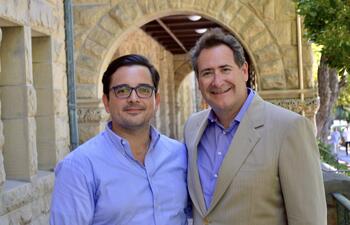
Rosenkranz Prize 2017 winner Mike Baiocchi and his partner, Clea Sarnquist, both of Stanford Medicine, conduct research on the ground in Nairobi, Kenya, to determine whether a rape prevention program is truly making a difference. Rosenkranz Prize 2017 winner Mike Baiocchi and his partner, Clea Sarnquist, both of Stanford Medicine, conduct research on the ground in Nairobi, Kenya, to determine whether a rape prevention program is truly making a difference.

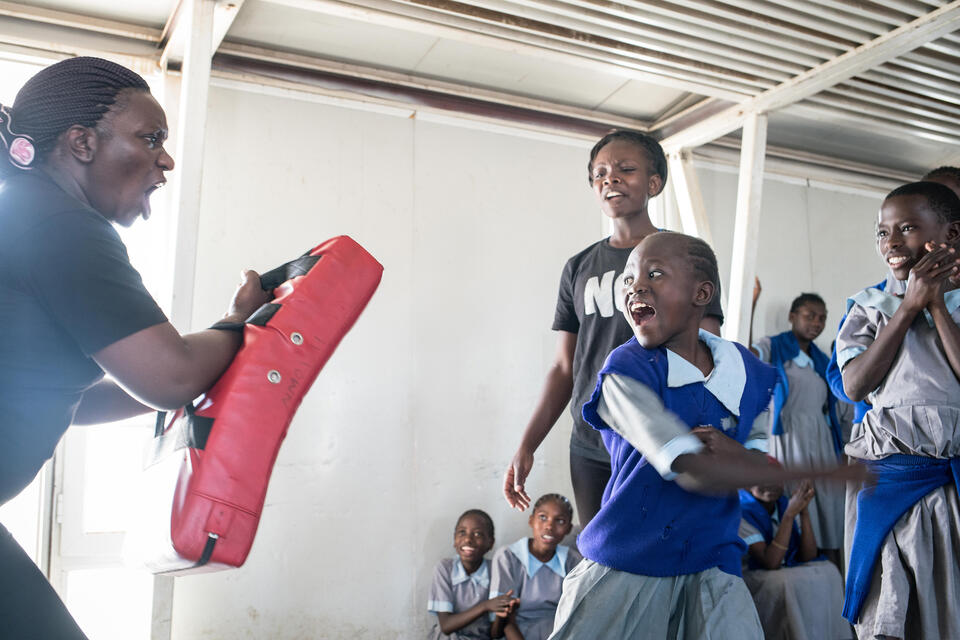
Rosenkranz Prize 2017 winner Mike Baiocchi and his partner, Clea Sarnquist, both of Stanford Medicine, conduct research on the ground in Nairobi, Kenya, to determine whether a rape prevention program is truly making a difference.
 

Baiocchi and his team have designed a closed-cohort study that will track the behavior of about 5,000 girls and 1,000 boys enrolled in the No Means No Worldwide project, which is training 300,000 girls and boys in Kenya and Malawi to prevent rape and teen pregnancy.

This innovative approach to applying math to a real-world problem won him this year’s Rosenkranz Prize for Health Care Research in Developing Countries.

“The entire Rosenkranz selection committee was highly impressed both with the rigor of Mike’s work — which he publishes in top journals in the field of statistics — as well as his unconventional and potentially very impactful work on the prevention of gender-based violence in illegal settlements around Nairobi,” said Grant Miller, PhD, an associate professor of medicine and core faculty member at Stanford Health Policy.

Miller chairs the committee that selects the winners of Stanford Health Policy’s annual $100,000 prize, which goes to promising young Stanford researchers who are investigating ways to improve health care and health policy in developing countries.

Overwhelming Prevalence of Sexual Violence

In the United States, according to the Centers for Disease Control and Prevention, nearly one in five women are raped. The World Health Organization estimates that globally, one in three women experience sexual or physical violence.

In Kenya, national surveys reveal that as many as 46 percent of Kenyan women experience sexual assault as children.

“In the roughest part of the Nairobi slums, 20 to 25 percent of high school girls will be raped this year,” said Baiocchi. “This program, however, looks like it is having the ability to cut that in about half. Our job is to tease out the evidence through careful measurement and design of experiment.”

To do this, Baiocchi and other members of the Stanford Gender-Based Violence Collaborative have traveled to Nairobi to collect baseline data. His partner is Clea Sarnquist, DrPH, a senior research scholar for the Global Child Health Program in the Stanford Department of Pediatrics.

Several pilot evaluations of the program, published in 2014 in Pediatrics, found that more than half of 2,000 high school girls who had completed the self-defense course had used their newfound skills to fend off sexual harassment or rape.

But Lee Paiva, the San Francisco-based founder of No Means No Worldwide, wanted proof. She told Stanford Medicine magazine last year that since establishing training in 2010, she often wondered about the true effectiveness of the program.

“A little voice inside me said, `What did you teach them?’” she said. “What did those kids actually get? What is that money really going to do?”

She determined that she wasn’t going to move forward on the program until she could answer those questions. That is when she turned to Stanford.

Expanding on their initial work, Baiocchi and Sarnquist spent several months last year, working with their Kenyan partners, Ujamaa-Africa and the African Institute for Health and Development, in 90 schools in the poorest parts of Nairobi to establish the largest randomized trial of its kind.

They interviewed the girls who have taken part in the six-week empowerment and self-defense program taught by Kenyans who grew up in the same neighborhoods and are familiar with the local culture.

“It’s hard not to be extraordinarily excited when you watch these girls; they’re play-acting and just being kids, but you are also watching them evolving and creating new ways to deal with these situations,” said Baiocchi.The team is now tracking a fixed group of  5,000 girls and 1,000 boys, ages 10 to 16, over two years. This will give the researchers a better understanding of just how the girls are adopting the training and readapting to societal demands.

Image


“Doing a randomized trial is slow, expensive, and — if I’m being totally honest — anxiety-inducing because everything is laid so bare and you put things in motion today that won’t be resolved for another two years,” Baiocchi said. “But the reward is extraordinarily high-quality data that helps you understand what’s really going on. We need this level of evidence if we’re going to take on such a difficult problem.”

Since using math to measure the benefits of gender-based violence prevention interventions is a relatively new science, Baiocchi said the team is adopting the highest level of rigor, equivalent to what it would take to get their results through the FDA.

The randomized controlled trial is being funded by the UK Department of International Development as part of its What Works to Prevent Violence initiative, with the goal of determining whether the behavioral intervention is effective in preventing sexual assault.

A Need to Do Good

Baiocchi notes both his parents are nurses, his brother is a nurse who is married to a nurse. Public health and service runs through the family DNA.

“So, when I came out as being a math person, I knew that I also had to do good.”

Since receiving his PhD in statistics from The Wharton School at the University of Pennsylvania in 2011, Baiocchi has worked on ways to improve high-risk infant deliveries, school-based earthquake risk reduction in Nepal, bail reform in the United States, improving cardiothoracic surgical care, as well as cancer and cardiovascular disease prevention in China.

The Kenya project team, which includes eight Stanford undergraduate and graduate students, intends to share their results, putting out open-source tutorials that will explain their statistical methods and provide sample code and data.

Image

“We want to make it really easy for people in this area to start having a similar language so we can better communicate and build on this science,” he said.

The Rosenkranz funding will help to build this open-source site and support the Stanford team in their research and travel to Kenya and other countries.

The award’s namesake, George Rosenkranz, who holds a doctorate in chemistry, first synthesized cortisone in 1951, and later progestin, the active ingredient in oral birth control pills. He went on to establish the Mexican National Institute for Genomic Medicine, and his family created the Rosenkranz Prize in 2009.The award embodies Rosenkranz’s belief that young scientists hold the curiosity and drive necessary to find alternative solutions to longstanding health-care dilemmas.

Baiocchi called Rosenkranz’s work to help women take control of their reproductive health “revolutionary,” and is humbled to now be on the list of the other prizewinners, Eran Bendavid, Sanjay Basu, Marcella Alsan, Jason Andrews and Ami Bhatt.

“Our work is a continuation of the powerful changes Dr. Rosenkranz set in motion,” he said.

And what really matters, Baiocchi said, are the end results.

“There are a number of girls who are not going to get raped this year because of what we are doing,” he said. “And we know that if someone doesn’t get assaulted, that leads them to having a better life — it’s an extraordinarily virtuous cycle.”

[[{"fid":"226830","view_mode":"crop_870xauto","fields":{"format":"crop_870xauto","field_file_image_description[und][0][value]":"","field_file_image_alt_text[und][0][value]":false,"field_file_image_title_text[und][0][value]":false,"field_credit[und][0][value]":"","field_caption[und][0][value]":"","thumbnails":"crop_870xauto","alt":"","title":""},"type":"media","field_deltas":{"6":{"format":"crop_870xauto","field_file_image_description[und][0][value]":"","field_file_image_alt_text[und][0][value]":false,"field_file_image_title_text[und][0][value]":false,"field_credit[und][0][value]":"","field_caption[und][0][value]":"","thumbnails":"crop_870xauto","alt":"","title":""}},"link_text":null,"attributes":{"class":"media-element file-crop-870xauto","data-delta":"6"}}]]

Hero Image
kenya rosenkranz3 Nichole Sobecki
All News button
1
Paragraphs

Most civilian casualties in war are not the result of direct exposure to bombs and bullets; they are due to the destruction of the essentials of daily living, including food, water, shelter, and health care. These “indirect” effects are too often invisible and not adequately assessed nor addressed by just war principles or global humanitarian response. This essay suggests that while the neglect of indirect effects has been longstanding, recent technical advances make such neglect increasingly unacceptable: 1) our ability to measure indirect effects has improved dramatically and 2) our ability to prevent or mitigate the indirect human toll of war has made unprecedented progress. Together, these advances underscore the importance of addressing more fully the challenge of indirect effects both in the application of just war principles as well as their tragic human cost in areas of conflict around the world.

All Publications button
1
Publication Type
Journal Articles
Publication Date
Journal Publisher
Daedalus
Authors
Paul H. Wise
Subscribe to Children's health