Every Halloween there seems to be another animated brushing campaign to save children from their own sweet tooths. For most, the goal is simple: better oral hygiene for kids.
PLAQUEMONSTER is different.
Developed by Jason Wang, director of the Center for Policy, Outcomes and Prevention (CPOP) and a Center for Health Policy/Center for Primary Care and Outcomes Research (CHP/PCOR) core faculty member, and his team, PLAQUEMONSTER does encourage children to practice good oral hygiene. However, the true purpose of the app is to provide feedback on the user’s engagement that can be used for future forays into mobile health.
Image
Smart phone users can download the application to create a “tooth pet” and help it grow by brushing and flossing daily. Neglect oral hygiene, and the tooth pet will grow dirty, become infected by “plaquemonsters,” and eventually end up in jail.
Using the game’s team mechanic, the app urges children to encourage their friends to brush and floss. Teammates can release a tooth pet from jail, so kids must hold each other accountable if they want their team to progress.
“The social aspect really does make a difference,” said Zara Abraham, a digital media specialist at CPOP and one of the app’s designers. She found that the app’s first child testers “would always be on the phone making sure that each one was doing their work, checking on their teeth.”
The social aspect is likely to engage children more than the average brushing and flossing campaign, according to Abraham. The app’s storyline also helps set PLAQUEMONSTER apart.
Image
“The storyline we came up with was really sticking it to the man,” said Abraham. Developers set tooth pet up as a heroic rogue character who does what he thinks is right by eating healthy despite pressure to give in to Big Candy. Facing peer pressure to subsist on a diet of candy but also more serious pressure from “candy corporation,” tooth pet must expose the company’s nefarious practices so that teeth can be clean again. The game’s darker aspects and complex storyline may help make the game more accessible to older children and hopefully will keep kids engaged longer.
However, PLAQUEMONSTER is more than just a game, more even than a campaign for oral hygiene. Wang’s team hopes to use health literacy games along with demographic and engagement information to develop other mobile health apps. Ultimately, PLAQUEMONSTER is a tool for discovering how people engage with health on a mobile platform and how mobile health apps can improve health care.
“The spirit that Jason brings to the app is the game mechanics of behavioral economics,” said Manuel Rivera, product manager at CPOP.
Eventually, Wang’s team hopes to develop other mHealth apps that could aid patients with serious conditions, helping them to track their health and engage in their care plan. Wang’s long-term goal is for “people who are of working age and elderly to improve their quality of life and health trajectories” using mobile health.
If all goes well, PLAQUEMONSTER could be a first step toward active engagement between patients and health care using mobile platforms.
This project is supported by an NIH Director's New Innovator Award.
Medical researchers must work together across disciplines to provide better health care to those who need it most, according to panelists at Stanford Medicine’s Annual Population Health Sciences Colloquium.
The symposium, hosted by the Stanford Center for Population Health Sciences, brought together working groups from across the Stanford campus to showcase the latest findings in population health research.
“Population health science at Stanford is likely to make the most important contributions when we cross traditional intellectual expertise disciplines,” said Paul H. Wise, a core faculty member at the Center for Health Policy/Center for Primary Care and Outcomes Research (CHP/PCOR).
Many of the scholars at the daylong conference on Tuesday stressed that an interdisciplinary approach to health care is crucial to understanding and aiding underserved populations.
“To deal with life-course questions we need to create-life course observational windows,” said Mark Cullen, chief of the Division of General Medical Disciplines and director of the Stanford Center for Population Health Sciences.
Instead of trying to create an all-encompassing care plan for the human population as a whole, panelists demonstrated that studying the needs of particular groups, or smaller populations, can better serve individuals within populations that may not receive the best care.
Douglas K. Owens, director of CHP/PCOR, said the U.S. Preventive Services Task Force, of which he is a member, has “often faced a real paucity of data trying to develop prediction guidelines for both the very young and the old.”
The Task Force, a panel of experts that makes recommendations for medical prevention services, is generally able to make guidelines for large populations like adults, but suggestions for specialized groups like children and the elderly are more challenging. Though Stanford researchers like Wise are working to improve care for particular sectors like children, more study is needed.
Several speakers at the conference said the underserved population of poor children could benefit from research targeted toward their population group.
“We don’t really understand the biology of the life-course, why things taking place in gestation and early life actually affect healthy aging and adult onset disease,” said Wise, adding, “We have a very poor understanding of how to translate this understanding into effective interventions for communities in need.”
Panelists agreed that big data can help them understand smaller, poorly served populations, such as young children in impoverished communities. By collecting large amounts of data from the general population, researchers will increase the amount of data available for more specific groups. This allows researchers to study these populations more closely and help create better outcomes.
Abby King, a professor of health research and policy and of medicine, and Jason Wang, director of the Center for Policy, Outcomes and Prevention (CPOP) and a CHP/PCOR core faculty member, believe life-course digital applications can provide individualized care while collecting data on a large-scale.
According to King, a life-course app, or a device to track health and provide care throughout one’s life, would grow with the user and help them through important developmental stages.
Image
Wang has taken a first step toward creating such an app with PLAQUEMONSTER. Intended for children eager for Halloween candy, the PLAQUEMONSTER app provides kids with a “tooth pet” they must keep safe from “plaquemonsters” and the so-called evil candy corporation. By flossing and brushing their teeth each day, kids earn points, and Wang’s team hopes the game will encourage good dental hygiene.
Health-care techniques using mobile devices, known as mHealth, could be particularly useful in underserved populations. King notes that even low-income populations have cell phones, so using phones as health-care tools could help decrease the gap between higher- and lower-income populations.
“I think for us one of the major challenges of the century is to really close that health-disparities gap and mHealth can help.”
However, each app must be tailored to the user.
“There’s no reason to believe that an African-American 16-year-old is going to be motivated the same way as a 45-year-old white man,” said Wang. “You need to involve patients in the design of the app.” When the app fits the specific patient’s needs, they are more likely to use it regularly, and knowing the needs of their population helps determine their preferences.
As the world continues to become more connected, the panelists said that reaching across disciplines and incorporating technology may hold the key to effective health care in the 21st century.
Ian Crozier, MD, is a walking laboratory for Ebola and a living testament to the damaging, long-term consequences of the disease, which are still very poorly understood.
As a volunteer physician with the World Health Organization in Sierra Leone, he worked furiously last fall to save patients in the heat of the Ebola crisis in West Africa. Then on Sept. 9, 2014, he became one of those patients himself and was airlifted to Emory University Hospital in Atlanta, where his vital organs rapidly began shutting down.
During an Oct. 21 appearance at Stanford, Crozier recounted his astonishing recovery, during which he rebounded from a torturous period of being hooked to a ventilator and a kidney dialysis machine, experiencing abnormal heart rhythms, and developing severe encephalopathy that left him delirious and then unconscious for weeks, ultimately suffering several hemorrhagic strokes.
“If I you had told me on day one that I would develop multisystem organ failure and asked me to predict my chances of survival, I would have said my chances were zero,” he told more than 100 faculty, students and staff in a standing-room only talk at the School of Medicine. “They [the Emory caregivers] really changed the game…. I really think they were walking on the moon, but in a different kind of space suit.”
Dr. Ian Crozier, dressed in personal protective equipment, with Ebola-positive Sierra Leonean children. Schools remain closed in Sierra Leone and Liberia, two countries hit hard by the Ebola outbreak.
He was among the sickest of patients to survive the disease and continues to suffer from a variety of disturbing consequences, including eye problems, hearing loss with tinnitus, short-term memory loss, seizures and sleep dysregulation, he said. He wryly cautioned his audience that he was approaching his “hour of narcolepsy” as he started his late- afternoon talk.
It coincided with a plethora of recent news reports on the long-term consequences suffered by many Ebola survivors. The epidemic has killed more than 11,300 people and has not reached its end; in just the last few weeks, three new cases were reported.
Efforts to address the global healthcare workforce crisis focus heavily on traditional service providers such as physicians and nurses. Yet, improving health systems also necessitates involvement from a wide range of management and support workers. Global Health Corps (GHC) pairs a team of at least two skilled management and support fellows (one local and one non-local fellow) from sub-Saharan Africa and the United States to work in partnership with non-profit and government agencies focused on the implementation of health services in a setting of poor health outcomes in sub-Saharan Africa or the United States. This manuscripts presents a five-year evaluation of the program. By filling the human resources gaps of global health organizations with management and support workers, GHC and similar approaches may help generate a new pipeline of local and global leaders in global health.
Concentration among physician groups has been steadily increasing, which may affect prices for physician services. The authors assessed the relationship in 2010 between physician competition and prices paid by private preferred provider organizations for fifteen common, high-cost procedures to understand whether higher concentration of physician practices and accompanying increased market power were associated with higher prices for services. Using county-level measures of the concentration of physician practices and county average prices, and statistically controlling for a range of other regional characteristics, we found that physician practice concentration and prices were significantly associated for twelve of the fifteen procedures we studied. For these procedures, counties with the highest average physician concentrations had prices 8–26 percent higher than prices in the lowest counties. The authors concluded that physician competition is frequently associated with prices. Policies that would influence physician practice organization should take this into consideration.
Health economics expert Laurence C. Baker has been appointed chair of the Department of Health Research and Policy (HRP) in the Stanford School of Medicine. He said he intends to encourage students and faculty within the department to expand the use of emerging data and analytic tools in their health-care research and policy recommendations.
Baker, a professor of health research and policy and a core faculty member at the Center for Health Policy/Center for Primary Care and Outcomes Research, succeeds Philip W. Lavori, who becomes vice chair of the newly established Department of Biomedical Data Science.
“Laurence is a natural and excellent choice for the HRP chair position,” said Stanford Dean of Medicine Lloyd Minor. “Well-respected, trusted, and admired by his peers, Laurence has been chief of Health Services Research within HRP since 2001, during which time the division has grown in strength and reputation.”
Minor called Baker one of the top health economic experts in the world with a strong policy focus, saying he would “bring the unique perspective, energy, and thoughtful guidance needed during this time of change for the department.”
The Health Research and Policy department houses the divisions of Health Services Research and Epidemiology, and provides the analytical foundation for research conducted at the Stanford School of Medicine, offering expertise, research and training on collecting and interpreting the scientific evidence essential to improving human health.
“It’s an exciting time for health policy and the Division of Health Services Research,” Baker said. “The country is facing important challenges in our health-care system, and countries around the globe are looking for insights and new ideas that can improve health care. So there are real opportunities for Stanford to be a leader and make a difference.”
Baker, who is also a research associate at the National Bureau of Economic Research, said that in his new role he intends to strengthen the epidemiology and the health services research groups at HRP. He will build on Lavori’s efforts to recruit diverse junior and senior faculty, train and retain graduate students and post-MD physician scientists, and make significant contributions to the Stanford Cancer Institute and Population Health Sciences.
“I’ve learned a lot from Phil and have really appreciated his steady and thoughtful leadership of HRP, as well as his insightful approaches to seeking excellence at a time of great change," Baker said. “We already have a strong history of making important contributions, and I think we are in an excellent position to make the most of new opportunities — like bigger and better emerging data and analytic tools and new settings for research — to do outstanding work.”
Image
Baker said that the department successes have also included growing its faculty, establishing new PhD programs and working on interdisciplinary research projects at the School of Medicine and in collaborations with CHP/PCOR.
“I want to continue looking for opportunities to grow and strengthen the research and education that we offer, in the hope that we can strengthen the overall contribution to national and international health policy that Stanford can make,” he said.
Baker’s research examines the impact of financial incentives, regulations and organizational structures in health care. He also looks at the impact of managed care and related insurance arrangements on health care costs, the pricing of physician services, prices for health insurance and the availability and utilization of medical technologies.
Baker completed his doctoral degree in Economics at Princeton in 1994, and joined the faculty at Stanford in HRP soon after. His research focuses on the way that changes in health-care delivery systems influence the cost and quality of care, with a particular interest in the growth of large, multi-specialty, and hospital-affiliated medical practices.
In addition to his position in HRP, Baker is a professor of economics (by courtesy) at Stanford, a fellow of the Center for Health Policy, and a senior fellow of the Stanford Institute for Economic Policy Research.
He also leads the School of Medicine’s Scholarly Concentration and Medical Scholars programs. Baker has received multiple honors and awards, including the ASHE medal from the American Society of Health Economists, and has helped lead key professional groups, serving on the boards of directors of the International Health Economics Association, AcademyHealth, and the American Society of Health Economists.
“There is growing recognition of the need for well-crafted health policies that can help us deliver quality care and real value,” Baker said. “More and more people are on the lookout for ways to improve population health in the United States and around the world, so I think we’re going to see more interest in the kind of work we do.”
The three women who are the first doctoral candidates in the School of Medicine’s new PhD in Health Policy program have one guiding belief: economics, decision science and data are now key to improving health care.
Stanford Health Policy, through the Department of Health Research and Policy at the School of Medicine, launched the PhD program to educate the next generation of scholarly leaders in the field of health policy.
And the first crop of candidates is taking their backgrounds in science and economics to pursue health policy careers based on medical information technology, data and analytics.
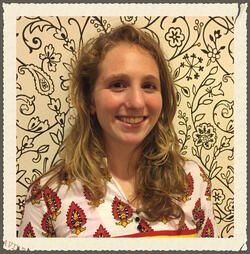
“We live in an era where information in health care is more rapidly and readily available than ever before,” said Catherine Lei, who will focus on the industrial organization of health care, the effects of insurance costs and the impact of regulation on health insurance markets.
Image
“The burgeoning ‘big data’ revolution is beginning to collectively help researchers tackle long-standing issues of health care spread and quality, determinants of health, and how policies could best improve health,” said the recent Princeton University graduate who majored in economics and finance.
“Whether it be the digitization of medical records, the aggregation of pharmaceutical companies’ research into electronic databases, or the increased transparency of the health-care sector as a whole — stakeholders from every corner of the industry recognize that this is a critical turning point in health care,” said Lei.
Kyu Eun Lee, who worked as a research assistant at the Harvard Center for Health Decision Science before joining Stanford, intends to develop mathematical models for health interventions in Asia and other parts of the developing world.
“I am seeking advanced training in quantitative methodology and the application of those skills to support decision-making in a global health context,” said Lee, who graduated from Pohang University of Science and Technology in South Korea and then got her master’s of science at the University of Minnesota.
“I am particularly interested in model-based, cost-effectiveness analysis of cancer interventions in South or Southeast Asia, where the risks of communicable and noncommunicable diseases compete under limited resources,” she said.
The new program offers coursework in two tracks: Health Economics, including the economic behavior of individuals, providers, insurers and governments and how their actions affect health and medical care; and Decision Sciences, which uses quantitative techniques to assess the effectiveness and value of medical treatments.
“The new PhD program really developed because of our aim to offer premier educational programs that will train the next generation of health policy leaders,” said Laurence Baker, professor of Health Research and Policy and chief of Health Services Research in the department of Health Research and Policy.
“One of the real strengths of the program is its context at Stanford, with a rich set of opportunities for health policy students to interact with the clinicians and scientists from around the school of medicine and the university,” said Baker, who is also an affiliated faculty member at the Center for Health Policy/Center for Primary Care and Outcomes Research (CHP/PCOR).
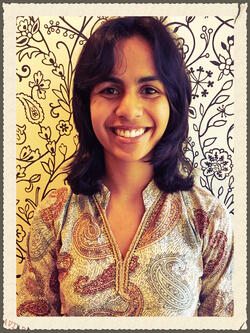
Yiqun Chen, who will focus on the supply and demand of health care both in the United States and China, said her double major in economics and medicine at Peking University made her aware of the integral role that economics plays in providing an analytic framework for studying the meaty issues in health care today.Chen, who went on to get her master’s in economics at Duke University, has published several papers and intends to investigate whether Medicaid payment increases to nursing homes result in cost offsets.
“The utilization of hospital services is high among nursing home residents; yet a large proportion of stays are documented to be avoidable through provision of better quality of nursing home care,” Chen said.
Image
She will also research the recent consolidation of health insurers and of health care providers and how that is impacting the consumer.
“As a result of such consolidation, not only is there a potential loss of consumer choice, but it gives the pricing power to insurers and health-care service suppliers,” Chen said. And those who argue health-care and insurance consolidation results in greater efficiencies have yet to document these gains or losses — something she intends to do.
Faculty belonging to the health policy centers will advise the PhD candidates. The students will take courses in health economics, health insurance and government program operations, health financing, international health policy and economic development, as well as the cost-effectiveness analysis of new medical technologies.
Coursework in the new program will also cover relevant statistical and methodological approaches to public health concerns such as obesity and chronic disease.
"Our PhD students will learn from faculty across the University who bring perspectives from economics, medicine, law, decision science, business and other disciplines," said Michelle Mello, a professor of law and professor of health research and policy at the School of Medicine. "They will become truly cross-disciplinary thinkers and problem solvers."
MUMBAI, India – India’s colors, crowd and noises can overpower a newcomer. And the unfathomable wealth and crushing poverty that are both on display reinforce the sense that this is a country of extremes.
Four Stanford students embraced this savory sensory overload while navigating the labyrinthine Indian health-care system during seven weeks of research in the poor communities outside the financial capital, Mumbai, this summer.
“I think this experience has just hammered into me that it’s a very diverse country with a range of experiences,” said Lina Vadlamani, a Human Biology major just starting her senior year. “As one pharmaceutical owner said to us, ‘India might be poor — but the Indian people are not.’ There’s just so much going on here.”
One day they whizzed by bright Bollywood movie posters in belching auto-rickshaws and gaped up at Antilia, the 27-story mansion of a business tycoon considered the world’s most expensive home after Buckingham Palace.
The next, the students were talking to mothers of one Dalit community — members of the so-called “untouchable” Hindu caste — in the slums on the outskirts of Mumbai. They sat on the floor of a one-room community center taking notes as the women told them about their struggles to get access to medicine and doctors.
And yet another day, the students and their Indian colleagues and translators crouched in a small stucco pharmacy in the heat and humidity of the monsoon season while talking to a doctor about the procurement of traditional medicines.
The three Stanford seniors and one School of Medicine student were tracking access to health care, the quality of that care, and the way pharmaceutical networks impact medical practices in India. The Stanford India Health Policy Initiative fellows saw for themselves that the world’s largest democracy has become a microcosm of humanity’s bustling economic prosperity and yawning stretches of poverty.
“I think Mumbai is the place to see the extremes of inequality,” says Mark Walsh, an Economics major starting his senior year and a coterm who already has a Master’s in Public Policy with a focus on international development. “I’m just trying to think about how some of this great prosperity can be applied to the health problems that are affecting some of the most disadvantaged members of Indian society.”
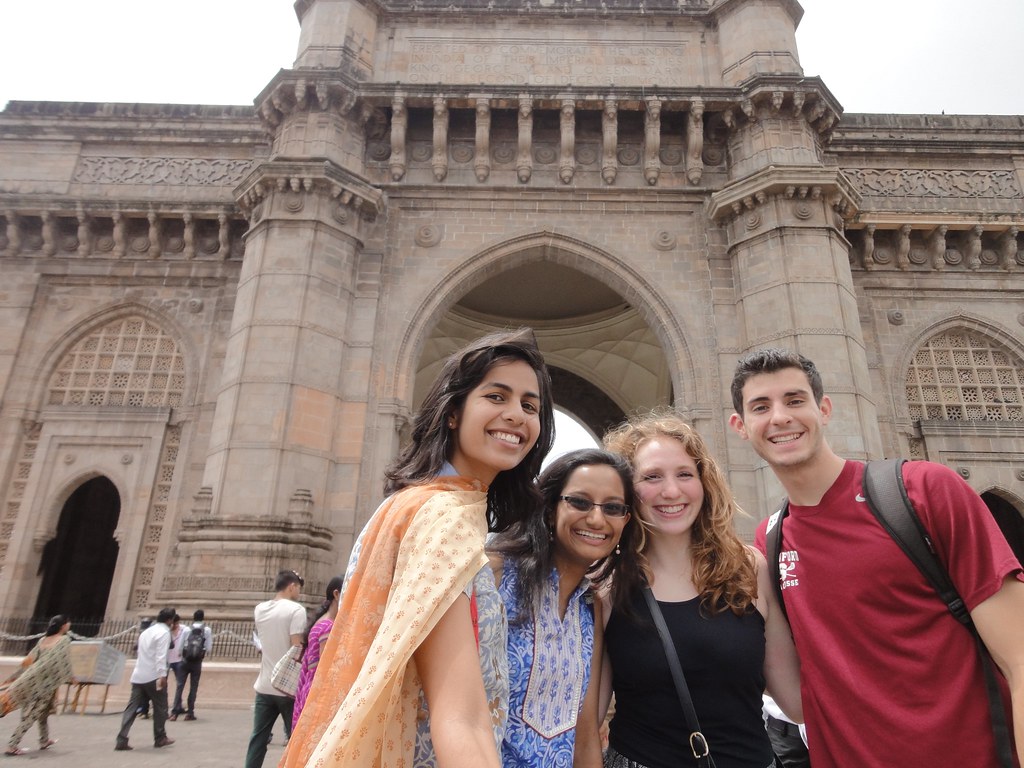
Hadley Reid, another HumBio senior, and Pooja Makhijani, who just began her second year at the Stanford School of Medicine, are the other fellows. The students spent six days a week in the field for seven weeks and then would debrief one another every night back in their rooms on what they had learned that day.
“I’ve always thought I might be interested in doing international field work,” said Reid. “And I thought this fellowship would be a good way to experience that and see what’s really happening on the ground versus what you learn in the classroom.”
Navigating the three medical practices in India
Grant Miller, an associate professor of medicine and core faculty member at the Center for Health Policy/Center for Primary Care and Outcomes Research, directs the India Health Policy Initiative. The program, now in its third year, aims to work on the ground to identify obstacles to health-care delivery in the South Asian nation.
Miller gave the four fellows a mission: Spend your summer investigating the pharmaceutical networks that cater to the three main branches of Indian medicine:
The more mainstream Western practice of allopathy;
The traditional AYUSH system of medicine: ayurveda, yoga, unani, siddha and homeopathy.
And the large network of providers who have no formal medical training.
“The fellowship has two objectives,” said Miller, also a senior fellow at the Freeman Spogli Institute for International Studies. “One is to develop a nuanced, on-the-ground understanding of the practical realities that often cause otherwise promising health programs in India to fail. The other is to provide in-depth, non-clinical field experience to Stanford students interested in global health.”
Nomita Divi, program manager of the initiative, said the fellowship is designed to be demanding. During the preparatory spring quarter, the students brainstormed with a design-thinking expert about how to formulate their research and work toward specific goals. When the students return to Stanford later this month, they will focus on unpacking and analyzing the data and then writing a full report.
“Our aim is to expose students to the realities of field research in India and provide them sufficient time to grasp the realities on the ground, as well as provide them with the tools to assimilate their observations into a final report,” said Divi.
When they arrived in Mumbai in early July, the fellows went through a week of training with Veena Das, the renowned social anthropologist from Johns Hopkins University who is on the executive board of the New Delhi-based Institute of Socio-Economic Research on Development and Democracy (ISERDD). She taught the students how to conduct field research and compose discussion guides before they crossed the thresholds of more than 100 homes of patients and offices of physicians, pharmacists and drug wholesalers.
ISERDD is a nonprofit organization devoted to research on social and economic issues and is the leading partner of the Stanford initiative, providing decades of qualitative and quantitative data sets as well as field researchers who worked alongside the students all summer.
“Primary care in poor parts of India is centered around drugs,” Miller said. “This summer, our fellows focused on the relationship between pharmaceutical suppliers and health providers, many of whom work in the informal sector — that is, they lack formal clinical training of any kind.”
Only 1.3 percent of India’s GDP was devoted to public health in 2014, one of the lowest rates in the world, according to the World Bank. India still accounts for 21 percent of the world’s burden of disease, yet the amount of public funds India invests in health care is quite small compared to other emerging economies.
Most of the cost of health care falls to the patient in India, where 86 percent of the 1.2 billion people must pay for health care and medications on their own. While the private sector caters to Indians who can pay, the poor are left to rely on the often less-than-optimal public health care system and a network of family and friends.
Unproductive spending and corruption also cripple the system.
Image
In the Field
Jaya Jadhav, a young mother in the Dalit community, explained to the students that they rely on a government nurse who comes once a month to hand out paracetamol. They have no local doctor to treat the more serious cases of typhoid and malaria, so must travel to the next settlement to see a doctor.
The women also turn to poorly trained practitioners who purchase wholesale drugs from small manufacturers and dispense these cheaper, unlabeled and often diluted pills to their patients.
As the students interviewed the women, a dozen children sat on the floor eating government-donated puffed rice and boiled gram from tiffin pots; mothers nursed beneath their saris and politely answered questions. At the end, the women asked shyly if the Stanford students had any medications they could share.
The students explained they were not doctors, but hoped that learning about the women’s daily lives would help them with their findings.
“Well, if it will one day benefit the women in the area, then this exchange of ideas about health is a good thing,” says Jadhav.
But the students weren’t always so sure.
“One of the things that I’m struggling with is the frustration of being able to do so little for these people, who basically have nothing but are ready to give us all their time,” says Makhijani, an American whose parents are from Mumbai. “But I realize I have the potential to be able to do that in the future, so I’m considering coming back to work here one day.”
Hoping for Results
Vadlamani — one of the HumBio majors who this fall also begins the Department of Medicine’s new coterm Master’s Program in Community Health and Prevention Research — applied for the fellowship because of its emphasis on field work.
““It makes us feel like detectives in a way,” said Vadlamani, who was born in the southern India city of Hyderabad and moved to the States with her parents when she was an infant. “I hope we would leave this experience with a couple of concrete areas that need to be focused on that would, down the road, lead to a policy change.”
Reid also believes their summer-long research will yield results.
“I’m not saying we’re painting the broadest, most accurate picture of the situation in India,” she said. “I know we’re taking a very small sample outside of Mumbai. But the hope is our findings will decrease some of the obstacles to effective policymaking for the health care system in India one day.”
Some of the key trends the students observed include the murky government regulations on certain classes of drugs, and the lack of knowledge about the current restrictions of antibiotic and steroid use among AYUSH doctors.
And compounding communicable diseases, such as tuberculosis and HIV/AIDS, Indians are increasingly suffering from non-communicable diseases as well.
“That’s happening across the developing world, these chronic lifestyle diseases such as diabetes and hypertension,” said Walsh. “And these families aren’t used to having to deal with these kinds of chronic diseases.”
The rural poor cannot afford to see a primary care physician who would school them in lifestyle changes to fight a potentially deadly disease such as diabetes.
And those who can afford a doctor in rural India often can’t find one.
India currently has some 840,000 doctors, or about seven physicians for every 10,000 people, according to the World Health Organization. That compares with about 25 in the United States and 16 in India’s economic rival, China.
The doctors the students did meet were generally overworked and struggling to keep up with all their patients and the shifting laws and regulations. But the students were forced to let go of some of their preconceived notions.
“Although there’s definitely a lot of gaps in knowledge, I’ve been surprised at how much doctors do know and how well trained they are,” said Makhijani, who often visits family in Mumbai, but had never ventured out into the poorer communities where her grandfather once ran a government hospital.
“I’ve never had such personal interactions with people living in the slums, with the doctors who are working here,” she said. “It really turns your perspective around, how resilient and creative they are.”
An Honor and Duty
Dr. Masood Ahmed Khan, a physician and pharmacist, spent nearly two hours with the students, with no prior knowledge that they would show up at his door and pepper him with questions about how he runs his unani practice.
When asked why he would give so much of his time, he said it was his “honor and duty” to help the students better understand the ups and downs of his medical community in one of the poor Muslim corners of Mumbai.
Dr. Khan then bid farewell with a cup of masala chai and this advice as they embark on their careers: “Go with empathy, go with humanity — and go with humility.”
View the photo gallery by clicking here or on the arrows below:
Beth Duff-Brown is the communications manager for the Center for Health Policy/Center for Primary Care and Outcomes Research. She joined the students in Mumbai for a week to blog about their research. You can read the blog postings here.
Hero Image
A young boy in an impoverished Dalit community on the outskirts of Mumbai. | Beth Duff-Brown
Medicaid was expanded to millions of individuals under the Affordable Care Act, but many states do not provide dental coverage for adults under their Medicaid programs. In the absence of dental coverage, patients may resort to costly emergency department (ED) visits for dental conditions. Medicaid coverage of dental benefits could help ease the burden on the ED, but ED use for dental conditions might remain a problem in areas with a scarcity of dentists. We examined county-level rates of ED visits for nontraumatic dental conditions in twenty-nine states in 2010 in relation to dental provider density and Medicaid coverage of nonemergency dental services. Higher density of dental providers was associated with lower rates of dental ED visits by patients with Medicaid in rural counties but not in urban counties, where most dental ED visits occurred. County-level Medicaid-funded dental ED visit rates were lower in states where Medicaid covered nonemergency dental services than in other states, although this difference was not significant after other factors were adjusted for. Providing dental coverage alone might not reduce Medicaid-funded dental ED visits if patients do not have access to dental providers.
Although the expansion of Medicaid under the Affordable Care Act has made millions of low-income and rural Americans eligible for health insurance, many states don’t provide dental coverage for adults under their Medicaid programs.
Paying for dental insurance on the individual market or paying for dental services out of pocket is cost-prohibitive for Medicaid beneficiaries, many of whom are at or beneath the federal poverty level.
So many have turned to emergency rooms for such care.
The researchers said Medicaid dental coverage could help reduce the need for many low-income Americans to visit emergency departments for dental conditions that may have otherwise been prevented with adequate access to basic dental care.
“It is likely that EDs will continue to provide care to individuals without adequate access to community-based dental care unless new dental service delivery models are developed to expand access in underserved areas, and unless more dental providers begin to accept Medicaid under the ACA,” the researchers wrote in their study, which was published today in Health Affairs.





 Dr. Ian Crozier, dressed in personal protective equipment, with Ebola-positive Sierra Leonean children. Schools remain closed in Sierra Leone and Liberia, two countries hit hard by the Ebola outbreak.