
Virus Hunter Peter Piot: How a Chance Encounter Sparked His Life Mission
Virus Hunter Peter Piot: How a Chance Encounter Sparked His Life Mission
Peter Piot tells annual Rosenkranz Global Health Policy Research Symposium that being a young researcher among the group of scientists who discovered Ebola led him to a life on the road tackling some of the world's deadliest viruses.

Sir Peter Piot, a world-renowned virologist who helped fight the global AIDS pandemic and discovered the Ebola virus, told a Stanford audience that “serendipity” led him to a career hunting down deadly viruses—and encouraged young scientists to embrace the unknown.
Piot explained that while he was at the Institute of Tropical Medicine in Belgium, two blood samples in glass tubes arrived in their lab in 1976 from an African country then called Zaire, and today the Democratic Republic of the Congo.
“There was a small piece of paper with the samples that said, in French, `yellow fever’ with a question mark.” The blood samples had come from a Flemish nun working in the northern Congolese village of Yambuku, and she would die alongside some 280 other patients.
He and his colleagues were the first scientists to isolate the Ebola virus that year. Piot was then dispatched to Kinshasa as part of a small group of physicians and scientists to investigate the outbreak —the first known epidemic of the hemorrhagic disease.
“My entry into global health, if I may say so, was driven by serendipity when I was in training for clinical microbiology and clinical infectious disease,” he said. “I’d never worked in Africa but there were no other volunteers who were ready to go.”
Off he went, returning many times when he became a pioneering researcher of AIDS. He would become the first executive director of UNAIDS with its creation in 1996, advocating for worldwide action against the virus, which has claimed more than 42 million lives. He challenged world leaders to view AIDS in the context of social and economic development.
Piot was keynote speaker for the 4th annual Rosenkranz Global Health Policy Research Symposium, a daylong event devoted to academic global health research sponsored by Stanford Health Policy and the Freeman Spogli Institute for International Studies.
The symposium honors the late Dr. George Rosenkranz, a pioneering organic chemist whose contributions were pivotal in the development of the oral contraceptive—one of the most transformative pharmaceuticals in modern medical history. Piot gave the keynote lecture at this year’s symposium, moderated by a former Rosenkranz Prize winner, Ami Bhatt, MD, PhD.
An endowment from the Rosenkranz family supports the annual Rosenkranz Prize, awarded to Stanford researchers advancing health in low- to middle-income countries. This year’s winners are tackling antimicrobial resistance and designing a national colorectal cancer screening program in Mexico.
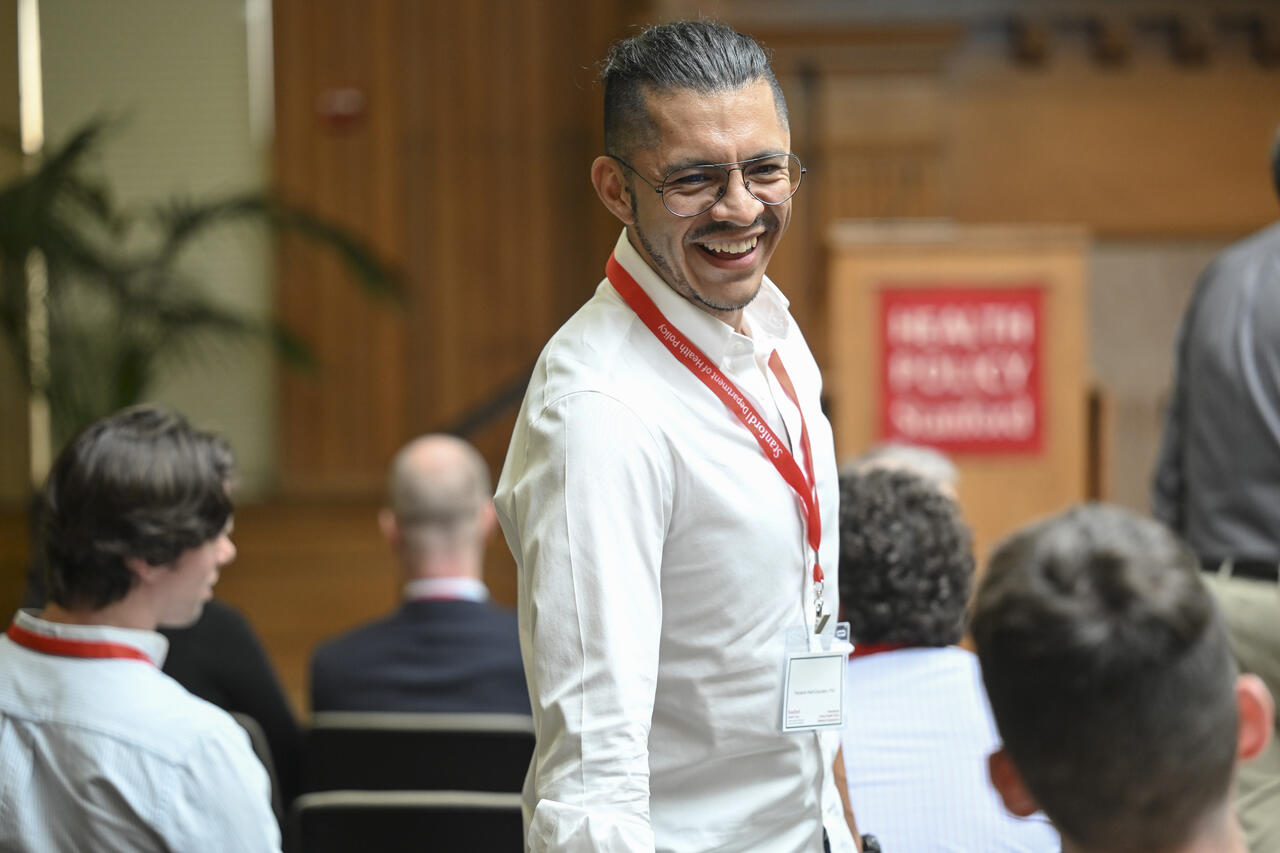
Modern Global Health
Piot told the symposium audience that the birth of modern global health really began with the 2000 Millennium Development Goals, with 191 UN member states pledging to eight goals, such as ending extreme poverty and reducing child mortality by two-thirds by 2015, as well as combating HIV/AIDS and malaria.
Also at the turn of the new millennium were new organizations such as UNAIDS, the Global Fund to Fight AIDS, the Global Alliance for Vaccines and Immunizations (GAVI.) The Gates Foundation was established in 2000, having spent more than $185 billion in charitable spending and grant payments to improve health, reduce poverty and expand access to education and technology, particularly in low- and middle-income countries.
There have been some remarkable successes. The global mortality rate for children 5 and younger has dropped 52% since 2000; GAVI and UNICEF have helped vaccinate more than 1 billion children; antiretroviral drugs have transformed HIV from a death sentence to a manageable condition for millions worldwide; and new classes of drugs have significantly reduced malaria deaths.
Many of the turn-of-the-century goals, however, have not come to pass.
“The millennium goals—they call for the elimination of this and eradication of that—it’s just not realistic,” he said, noting that smallpox is the only global disease to be eradicated.
“Look, on polio, we’ve been doing the last mile for the last 25 years,” he said. The polio virus remains endemic in Afghanistan and Pakistan.
Breakdown of Trust in Science
Piot said that the COVID-19 pandemic likely killed more than 20 million people around the world, higher than the WHO estimate of 15 million. He said the pandemic opened our eyes to two significant challenges. First was the glaring inequity of who had access to vaccines.
“Then the breakdown of trust in science, in public health. And we’re living with these consequences now,” he said. “Politics not based on science can be very dangerous.”
While he believes we are better prepared for the next pandemic on a scientific level, he worries the social and political pressures could overshadow those innovations.
Yet while he’s dismayed by the recent U.S. cuts to foreign aid domestic medical research grants, he’s optimistic emerging innovations will become more affordable and aided by artificial intelligence and digital technology.
“I don’t think we could have suspected what we’re going through now in terms of the disruption—a very corporate term here in Silicon Valley—to global health,” he said, adding he it’s useless to dwell on that and “But don’t worry; I’m not going to spend all my time here being depressed or complaining. I think that’s a waste of time—we need to look forward.”
A Call to the Next Generation
Piot acknowledged people would die because of the federal cuts to USAID programs and the President’s Emergency Plan for AIDS Relief (PEPFAR), yet he’s optimistic about the scientific curiosity among those academics coming up behind him.
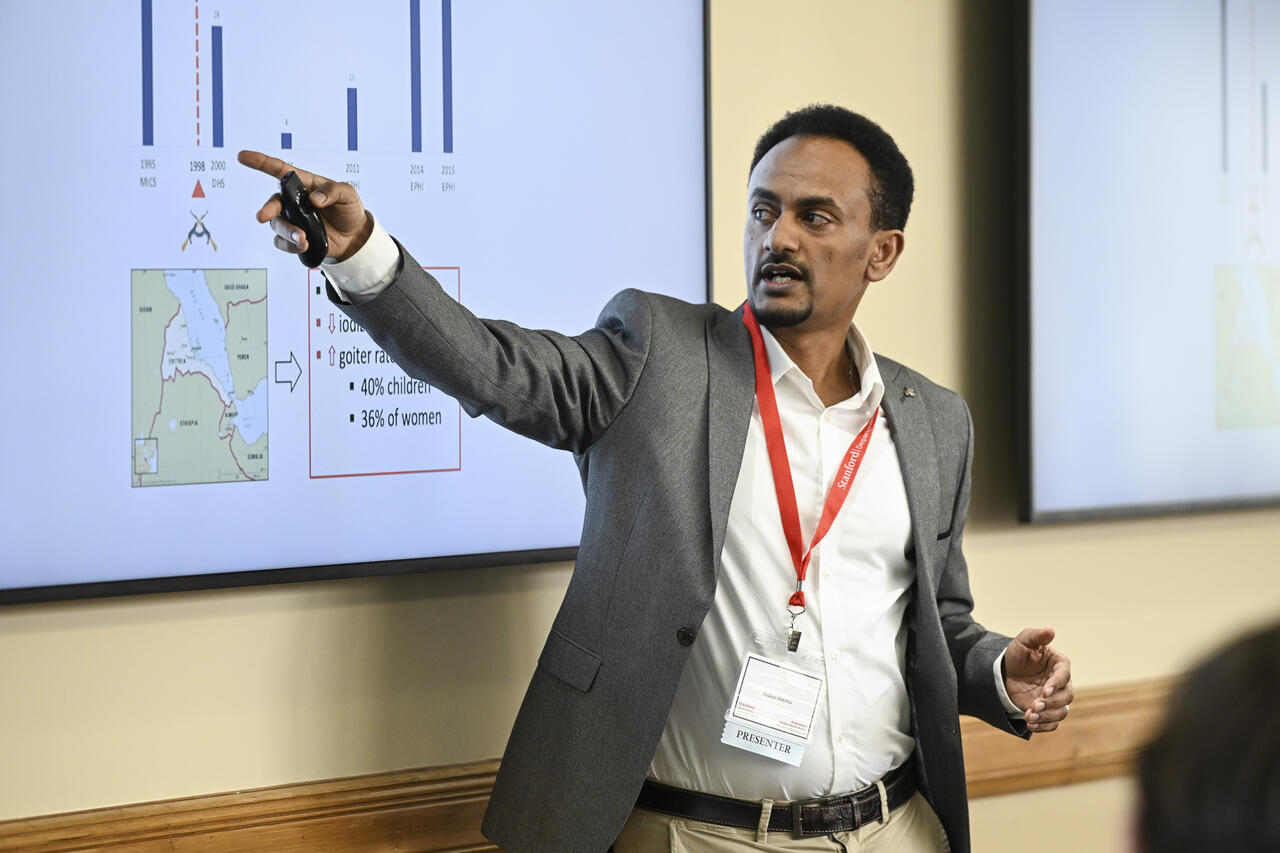
“It’s always a pleasure to hear young investigators and scientists with both the enthusiasm and the passion and also the precision that we all need,” Piot said of the presentations earlier in the day by junior academics from around the world.
During a Q&A that followed his talk, Piot again emphasized that junior researchers should take risks, like he did when he got on that plane at 27 years old and took off for Congo despite not fully understanding the risks of Ebola.
“I think serendipity and not making a long list of the pros and cons of the decision—but just going for it,” he said. They should be open to criticism, he said, mentor others as they succeed, and listen to those who might not have had the same privileges as them.
“My mantra is that nobody’s rich enough not to learn from someone else—and nobody’s poor enough not to have something to offer,” he said.
Meet the Researchers
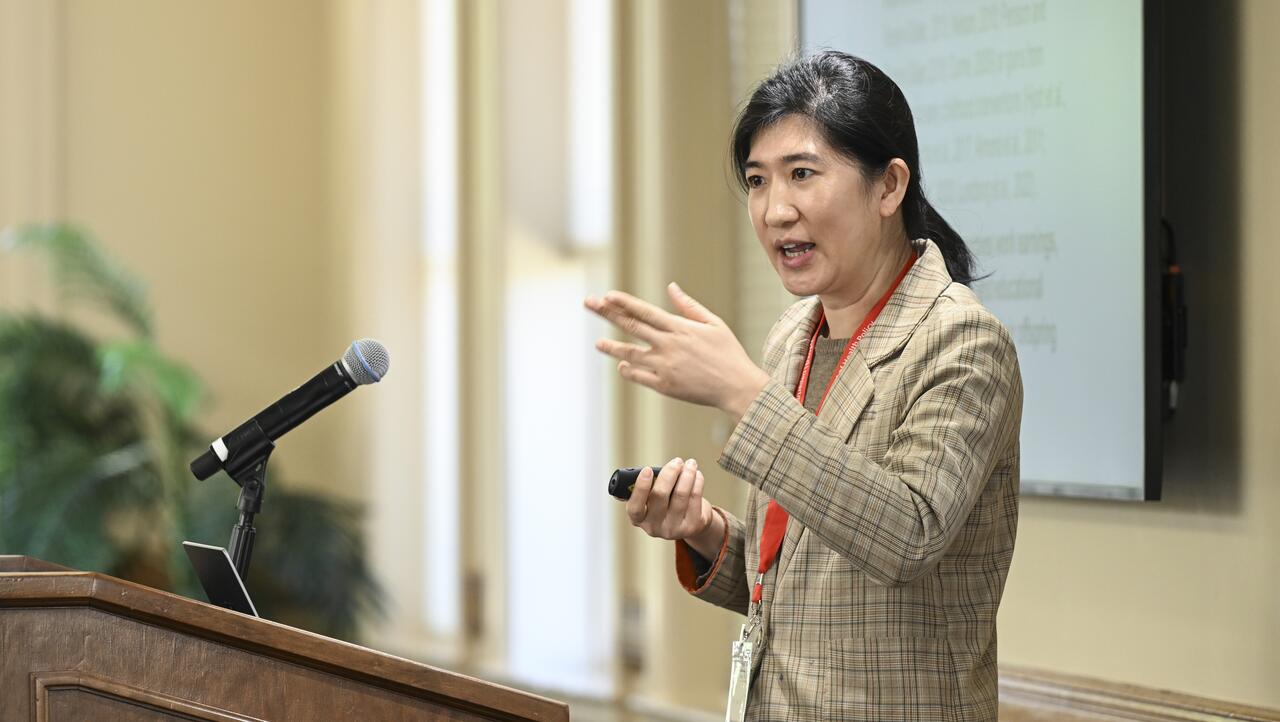
Eight academic researchers joined the symposium to present their investigations.


