Academics Can Aid Sanctions Design To Minimize Humanitarian Impact

Academics Can Aid Sanctions Design To Minimize Humanitarian Impact

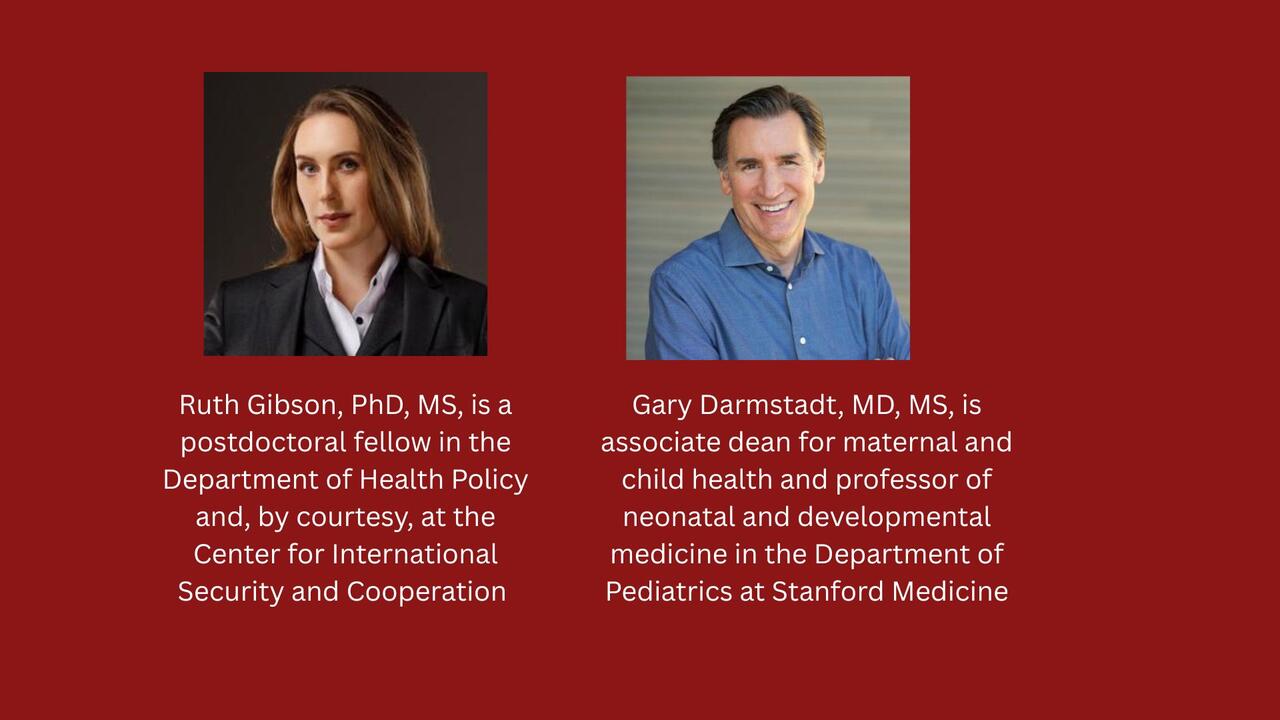
In this commentary, Ruth Gibson and Gary Darmstadt argue that academics can help shape sanctions policy by suggesting ways to reduce humanitarian harm.
Foreign Sanctions Illustration Getty Images

Academics have long debated whether sanctions achieve their intended goals as they inadvertently impact local populations. In this commentary in The Lancet Global Health, which accompanies a new study about the effect of sanctions on age-specific mortality, SHP’s Ruth Gibson and Stanford Medicine’s Gary Darmstadt argue that scholars who continue to advance the field of sanctions and humanitarian outcomes should include investigations into how sanctions affect the local population and outline proposed mechanisms of impact.

“In this way, we can move towards a future where scholars can inform policy debates and contribute to the design of effective sanctions, while minimizing human suffering, especially among the most vulnerable subsets of the population,” they write.

Read Full Commentary in The Lancet Global Health
 

Ruth Gibson and Gary Darmstadt 2

Read More

A man carries a sack of USAID food
News

Foreign Aid Sanctions Set Back Decades of Progress on Maternal, Child Mortality

Researchers analyzed three decades of sanctions on foreign aid to assess their impact on health. They hope the work can help government officials better understand and address how foreign policy decisions affect the well-being of local populations.
Foreign Aid Sanctions Set Back Decades of Progress on Maternal, Child Mortality
Ruth Gibson on World Class Podcast
Commentary

How Foreign Aid Sanctions Affect Global Health and Security

On the World Class Podcast, Ruth Gibson shares sobering new data with Michael McFaul about the adverse impact the cessation of foreign aid can have, especially on women and children.
How Foreign Aid Sanctions Affect Global Health and Security
Ukrainian child cancer patient getting treatment
News

Armed Conflict's Growing Impact on Child Cancer Patients

A new interdisciplinary study reveals regions experiencing armed conflict account for an increasing proportion of all global cancer cases and deaths among children.
Armed Conflict's Growing Impact on Child Cancer Patients